Packing List for the Brazilian Amazon Rainforest
What to pack for the Brazilian Amazon? Skip cotton, bring quick-dry gear, serious insect repellent, and waterproof protection—this checklist saves you from humidity, bugs, and ruined electronics.
Last updated: March 10, 2026
Choose the activities your bag needs to support. Explore A Whole Day In The Jungle ↗
Planning note: price ranges, sample schedules and percentage comparisons below are illustrative editorial estimates, not live quotes or measured predictions. The linked itineraries state their own duration, location, inclusions and restrictions; wildlife sightings are never guaranteed.
Why Does Packing for the Amazon Differ from Normal Tropical Travel?
 The Amazon presents unique challenges most tropical destinations don’t: constant extreme humidity (80-90%), frequent rain even during “dry season,” aggressive biting insects, muddy trails requiring serious footwear, and limited infrastructure forcing self-sufficiency. A beach vacation packing list fails catastrophically here.
Humidity is the Enemy: At 80-90% humidity, nothing dries. That cotton t-shirt you sweat through at breakfast stays damp until you leave the Amazon days later. Damp cotton against skin for days causes chafing, rashes, and bacterial growth. This isn’t mild discomfort – it’s legitimate physical misery preventing you from enjoying the trip. Quick-dry synthetic fabrics dry in 2-3 hours even in Amazon humidity. This material difference is non-negotiable.
Rain is Frequent, Not Occasional: Even “dry season” (June-November) brings afternoon thunderstorms 2-3 times weekly. Wet season (December-May) means daily downpours. Everything needs waterproof protection – your rain jacket covers you, but dry bags protect cameras, phones, documents, and backup clothes. One unexpected storm without protection ruins expensive electronics permanently.
Insects are Relentless: Amazon mosquitoes aren’t like temperate mosquitoes that appear at dusk. These bite all day, through thin clothing, and carry diseases (malaria risk exists in remote areas). You need pharmaceutical-grade DEET 30%+ covering all exposed skin, plus long sleeves/pants for additional barriers. “Natural” repellents with lemongrass or citronella are completely inadequate – they might work 20 minutes before aggressive Amazon insects overwhelm them.
Infrastructure is Limited: Lodges provide meals and basic facilities but not toiletries, medications, or spare gear. The nearest pharmacy is 3-6 hours away by boat in Manaus. You must bring everything you might need – there’s no running to a store for forgotten items. This includes medications (prescription and over-the-counter), first aid supplies, personal toiletries, and backup equipment.
Weight Restrictions Apply: Small boats transferring guests to lodges have weight limits (15-20kg per person typical, sometimes stricter). You can’t bring everything – you must prioritize ruthlessly. This means 4-5 days of clothes maximum, minimal toiletries, and choosing multi-use items over specialized single-purpose gear.
Heat is Constant: Temperature stays 28-35°C year-round. You’re hot and sweating continuously. Light, breathable, moisture-wicking clothing is essential. Heavy jeans, thick cotton shirts, and insulated jackets are torture. Everything must be lightweight and designed for extreme heat.
The pattern: Amazon packing requires technical outdoor gear (quick-dry fabrics, serious rain protection, pharmaceutical insect defense) rather than casual vacation clothes. Approach this like multi-day hiking trip in extreme humidity, not like beach resort visit.
We’ve got a full breakdown on how to plan a trip to the Brazilian Amazon tours if you want to know exactly what to book and when.
Table: Amazon Packing Essentials – What Works vs What Fails
| Item Category | What Works (Bring This) | What Fails (Leave Home) | Why It Matters | Consequence of Wrong Choice |
|---|---|---|---|---|
| Shirts | 3-4 quick-dry synthetic, 2 long-sleeve | Cotton t-shirts, heavy fabrics | Humidity never lets cotton dry | Constant dampness, chafing, bacteria, misery |
| Pants | 2 zip-off convertible synthetic pants | Jeans, cotton pants, shorts only | Versatility + insect protection + quick-dry | Cotton stays wet, no insect protection, inflexible |
| Rain Jacket | Lightweight packable waterproof | Heavy rain coat, poncho, nothing | Daily rain guaranteed, need mobility | Get soaked, electronics wet, cold when wet |
| Footwear | Broken-in hiking boots + water shoes + flip-flops | New boots, cotton shoes, sandals only | Muddy trails, wet landings, lodge comfort | Blisters, wet feet, no trail access, misery |
| Insect Repellent | 30%+ DEET (2-3 bottles, 100ml each) | Natural/organic, <20% DEET | Amazon mosquitoes overwhelm weak repellents | Constant bites, itching, potential disease |
| Sun Protection | SPF 50+ sunscreen (2 bottles) | SPF 30 or less, skip it | Equatorial sun + river reflection = severe burns | Painful burns limiting activities |
| Headlamp | LED with red light option | Flashlight only, phone light | Night activities, hands-free, doesn’t blind wildlife | Missing nocturnal wildlife, inconvenience |
| Dry Bags | 10L + 20L waterproof bags | Ziplock bags, trust weather | Protect electronics/documents from humidity/rain | Destroyed camera, ruined phone, wet documents |
| Medications | 2x what you need, original containers | Minimal supply, pill organizers only | Remote location, no pharmacy access | Medical emergency, no treatment available |
| Binoculars | 8×42 or 10×42 quality optics | Phone zoom, skip them | Wildlife viewing from distance, bird identification | Miss most wildlife, frustration, incomplete experience |
What Clothing Actually Works in Brazilian Amazon Conditions?
The Cardinal Rule: Zero Cotton – Everything Quick-Dry Synthetic
Cotton is your enemy in the Amazon. It absorbs sweat and humidity, stays wet for 12-24+ hours in Amazon conditions, and feels clammy against skin causing chafing and bacterial growth. Quick-dry synthetic fabrics (polyester, nylon, treated materials) dry in 2-3 hours even in 85% humidity. This isn’t preference – it’s survival of comfort.
Shirts (3-4 Quick-Dry T-Shirts + 2 Long-Sleeve):
- 3-4 short-sleeve quick-dry t-shirts: neutral colors (light blues, grays, tans – bright colors potentially startle wildlife), synthetic material, crew or v-neck
- 2 long-sleeve quick-dry shirts: sun and insect protection, lightweight breathable, roll sleeves when cool mornings give way to heat
- Columbia, REI, Patagonia, North Face make appropriate options ($20-50 each)
- Pack one extra shirt beyond what you think you need – you’ll change twice daily (morning sweat, afternoon sweat)
Pants (2 Convertible Zip-Off Pairs):
- Convertible pants with zip-off legs becoming shorts: ultimate versatility (long pants muddy morning hike, shorts hot afternoon, back to pants insect protection evening)
- Quick-dry synthetic material (never cotton or denim)
- Loose fit allowing air circulation (tight pants trap heat and moisture)
- 2 pairs sufficient – wear one, one drying or as backup
- Prana, Columbia, REI, North Face options ($50-80 per pair)
Underwear and Socks (5-6 Each, All Quick-Dry):
- 5-6 quick-dry underwear: you’re changing daily minimum, sometimes twice, need rotation while items dry
- 3-4 pairs quick-dry hiking socks: wool blend (merino) or synthetic, mid-calf height preventing boot rubs
- 2-3 pairs thin liner socks: worn under hiking socks reducing friction and wicking moisture
- ExOfficio, Smartwool, Darn Tough quality brands
Rain Protection (Lightweight Rain Jacket + Rain Pants):
- Lightweight packable rain jacket: waterproof (not just water-resistant), breathable if possible (though full waterproof matters more), fits in small stuff sack, hood that seals
- Rain pants: lightweight packable, full-zip legs for easy on/off over boots
- Ponchos fail in Amazon – they catch on vegetation, don’t protect legs, flap in wind
- Marmot, REI, Columbia options ($60-150 jacket, $40-80 pants)
Accessories:
- Wide-brimmed hat: sun protection (equatorial sun is intense), breathable mesh, chin strap (wind on boats), neutral color
- Bandana: 2-3 pieces, sweat management, cooling when wet, face protection, multi-use
- Lightweight fleece or long-sleeve layer: evenings on riverboats can cool to 22-24°C (not cold but after days in 32°C feels chilly), also useful for aggressive AC in Manaus hotels
- Swimsuit: for lodges with swimming areas, quick-dry material
What NOT to Bring:
- Cotton anything (t-shirts, jeans, regular underwear, cotton socks)
- Heavy fabrics (thick sweatshirts, insulated layers)
- Excessive changes (you need 4-5 days max, not 10 outfits)
- Fashion over function (stylish outfits are pointless, prioritize quick-dry and insect protection)
- White or very light colors (show dirt immediately on muddy trails, look terrible quickly)
Table: Clothing Material Performance in Amazon Conditions
| Material | Drying Time (Amazon Humidity) | Comfort When Wet | Bacteria Growth | Weight | Packability | Verdict | Recommended For |
|---|---|---|---|---|---|---|---|
| Cotton | 18-24+ hours (basically never) | Terrible (clammy, heavy, chafing) | High (warm wet environment) | Heavy when wet | Poor (doesn’t compress) | Never bring | Nothing – leave all cotton home |
| Quick-Dry Polyester | 2-3 hours | Good (doesn’t feel clammy) | Low (dries before bacteria grows) | Light | Excellent | Best choice | All shirts, pants, underwear |
| Quick-Dry Nylon | 2-4 hours | Good | Low | Light | Excellent | Best choice | Pants especially, shirts work too |
| Merino Wool | 4-6 hours | Excellent (warm even when damp) | Very low (natural antimicrobial) | Moderate | Good | Good alternative | Socks, base layers (premium option) |
| Synthetic Blends | 3-5 hours | Good-Very Good | Low-Moderate | Light | Good | Acceptable | Budget option for shirts/pants |
| Denim/Heavy Cotton | Never (stays damp for days) | Terrible (heavy, restricts movement, chafing) | High | Very heavy when wet | Poor | Absolutely never | Leave jeans at home entirely |
The data is clear: quick-dry synthetics (polyester, nylon) or merino wool only. Everything else fails in Amazon humidity and will make you miserable.
What Footwear Do You Actually Need for Brazilian Amazon Tours?
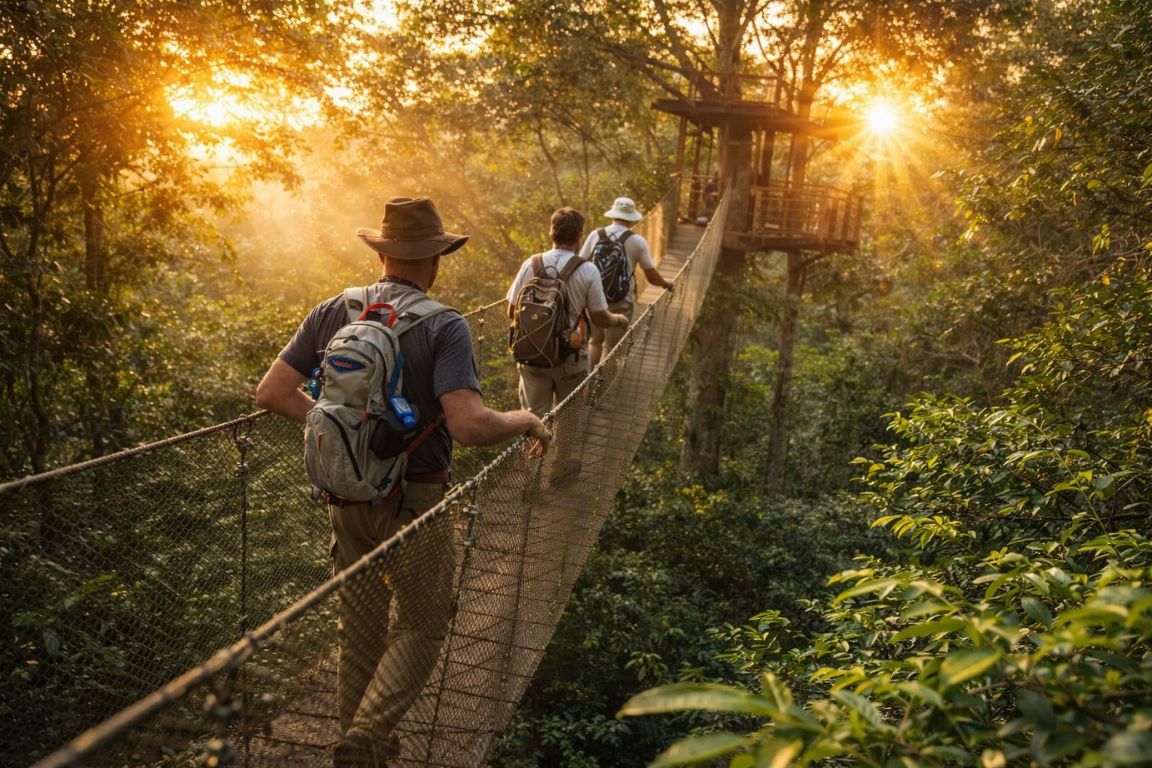
Three types cover all situations: hiking boots for trails, water shoes for wet activities and boat landings, and flip-flops for lodge use.
Hiking Boots (Waterproof, Ankle Support, BROKEN IN): These are non-negotiable for rainforest trails. Amazon trails are muddy, slippery, uneven, crossed with roots and rocks. Ankle support prevents sprains. Waterproof keeps feet dry (ish – nothing stays truly dry in Amazon, but boots give you fighting chance).
Requirements:
- Waterproof or water-resistant leather/synthetic
- Ankle support (mid-height, not low-cut trail runners)
- Aggressive tread (Vibram soles or equivalent for mud traction)
- Broken in (worn 20-30 hours before trip) – new boots cause blisters in Amazon heat/humidity
- Breathable as possible (though truly waterproof boots sacrifice breathability)
Brands: Merrell, Salomon, Keen, Columbia, Vasque ($100-200)
Critical: Break them in before departure. Walk 5-10 miles in them at home. Amazon heat amplifies any rubbing or pressure points – blisters form faster in hot humid conditions. Discovering uncomfortable boots in Amazon means days of pain and limited activity participation.
Water Shoes or Sport Sandals: Wet landings from boats, river swimming areas, canoe trips, crossing streams – you need footwear that handles being soaked and dries quickly.
Options:
- Water shoes (Keen, Merrell, Teva closed-toe designs): protection from submerged rocks/debris, quick-dry, secure fit, good traction ($50-80)
- Sport sandals (Chaco, Teva): adjustable straps, contoured footbed, durable, work for wet and lodge casual ($80-120)
Choose closed-toe water shoes for maximum protection in murky water. Sport sandals work but expose toes to potential hazards.
Flip-Flops (Lodge Use Only, Never Jungle): For wearing around lodge between activities, to bathroom, lounging. These are convenience items, not expedition footwear.
Requirements: Cheap disposables work fine ($10-20), rubber/synthetic (dry quickly), comfortable enough for walking lodge grounds.
Don’t bring expensive flip-flops – they might get lost, destroyed, or stolen. Basic functional pairs suffice.
What NOT to Bring:
- Cotton canvas shoes (Converse, Vans) – stay wet, no support, useless
- New boots (blisters guaranteed)
- Dress shoes, multiple pairs regular shoes (pointless weight)
- Only sandals/flip-flops (no trail access without proper boots)
Rubber Boots Provided by Lodges: Many lodges provide rubber boots for extremely muddy trails. These are communal, various sizes available. However, they often don’t fit well (too big or too small), lack ankle support, and aren’t broken in to your feet. Bring your own hiking boots as primary footwear, use provided rubber boots opportunistically if trails are especially swampy.
If you want to see it all laid out, here’s our Brazilian Amazon rainforest itinerary showing you how to maximize your time in the jungle.
Table: Brazilian Amazon Footwear Complete Guide
| Footwear Type | Purpose | Essential Features | When You Wear | Cost | Can Skip? | Alternatives |
|---|---|---|---|---|---|---|
| Hiking Boots | Rainforest trails, muddy paths, uneven terrain | Waterproof, ankle support, broken in, aggressive tread | Daily morning/afternoon hikes (4-6 hours daily) | $100-200 | NO – absolutely essential | Lodge rubber boots (poor fit, don’t rely on) |
| Water Shoes | Wet boat landings, river swimming, canoe trips, stream crossings | Quick-dry, closed-toe, secure fit, drainage | Daily boat transfers, water activities (2-4 hours daily) | $50-80 | NO – essential for safety | Sport sandals (less protection) |
| Sport Sandals | Alternative to water shoes, dual-use wet/casual | Adjustable straps, contoured footbed, quick-dry | Same as water shoes + lodge casual | $80-120 | Maybe – if bringing water shoes | Water shoes (similar purpose) |
| Flip-Flops | Lodge lounging, bathroom, between activities | Cheap, comfortable, quick-dry | Around lodge only (1-2 hours daily) | $10-20 | Maybe – can use sandals | Sport sandals, bare feet in room |
| Trail Runners | Lightweight alternative to boots (advanced) | Quick-dry, aggressive tread, gaiters recommended | Trails if experienced and comfortable with less support | $100-150 | YES – boots better for most | Hiking boots (more support) |
The Three-Pair Strategy: Hiking boots (wear daily on trails) + water shoes (daily for wet activities) + flip-flops (around lodge) covers 100% of Amazon situations without excess weight.
What Rain Gear and Waterproofing Do You Actually Need?
Rain happens daily during wet season, frequently during dry season. Waterproof protection is mandatory, not optional.
Rain Jacket (Lightweight Packable Waterproof): This gets used constantly. Must-have features:
- Truly waterproof (not water-resistant) – rated for sustained rain
- Lightweight and packable (300-500g, stuffs into small stuff sack)
- Hood that seals around face (adjustable drawcords)
- Pit zips for ventilation if possible (reduces steam-room effect inside jacket)
- Breathable fabric if budget allows (Gore-Tex, eVent) though waterproof matters more than breathability
Don’t bring heavy rain coat designed for cold weather – you don’t need insulation. You need waterproof shell that packs small and keeps you dry in hot conditions.
Brands: Marmot, REI, Arc’teryx, Outdoor Research, Columbia ($60-200 depending on features)
Rain Pants (Lightweight Packable): Often overlooked but valuable. Amazon rain soaks you head-to-toe, and wet pants are miserable. Features:
- Waterproof material
- Full-leg zips (put on/off over boots)
- Elastic waist
- Lightweight packable
These pack tiny and weigh minimal but save you from sitting in wet pants for hours when downpours hit during hikes.
Brands: Marmot, REI, Frogg Toggs (budget option), Columbia ($40-100)
Dry Bags (Multiple Sizes Essential): These protect everything important from humidity and rain:
- One 10-liter dry bag: Electronics (camera, phone, charging cables, batteries, headlamp)
- One 20-liter dry bag: Documents (passport, insurance papers, flight confirmations, cash), backup clothes (one dry outfit for emergencies), medications
- Additional stuff sacks: Organizing smaller items
Sea to Summit, REI, and Outdoor Research make quality dry bags. Roll-top closure (fold 3-4 times and clip) creates waterproof seal.
Critical: Everything electronic needs dry bag protection. Amazon humidity alone (without rain) can damage electronics. One boat spray or unexpected storm without protection destroys cameras and phones permanently. Dry bags aren’t optional accessories – they’re essential infrastructure.
Backpack Rain Cover: Your daypack needs rain cover. Sudden storms drench everything during hikes. Options:
- Integrated rain cover (built into backpack bottom pocket) – most convenient
- Separate rain cover purchased for backpack size
- Large garbage bag as emergency backup (works but inelegant)
Ziplock Bags: Bring 10-15 gallon and quart-size freezer-weight ziplock bags. Uses:
- Protecting small electronics (phone, camera batteries, memory cards)
- Organizing toiletries preventing leak disasters
- Keeping documents dry inside dry bags (double protection)
- Storing wet items separately from dry
- Collecting interesting leaves, seeds, or small items without cross-contamination
These weigh nothing but solve dozens of problems. Freezer-weight bags are sturdier than regular ziplocks and seal more reliably.
What Doesn’t Work:
- Ponchos (catch on vegetation, don’t protect legs, flap ineffectively)
- Regular umbrellas (pointless in forest, work only in Manaus)
- “Water-resistant” clothing (fails in sustained Amazon rain)
- Trusting weather won’t be that bad (it will)
What Insect Protection Actually Stops Amazon Mosquitoes?
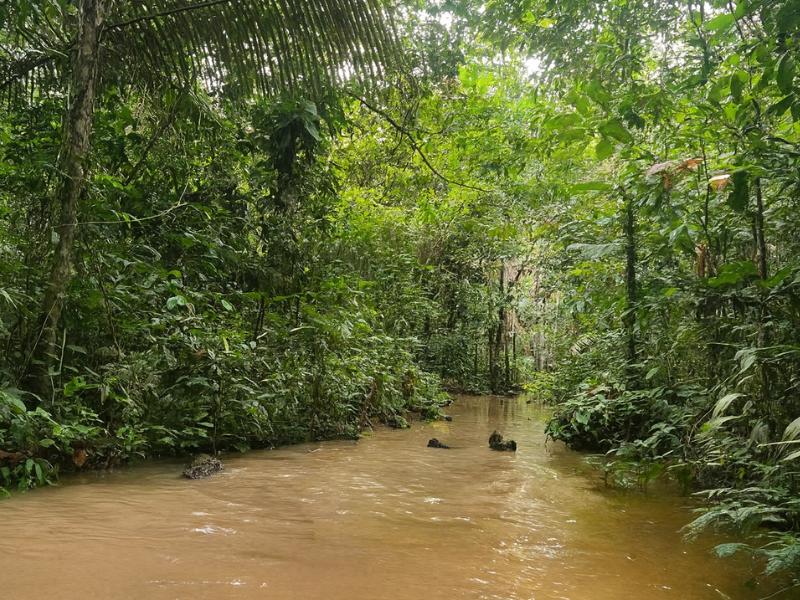
Amazon mosquitoes are aggressive, persistent, and bite through thin clothing. Inadequate protection means constant misery and potential disease exposure.
DEET-Based Repellent 30-50% (Non-Negotiable): Bring 2-3 bottles (100ml each) of 30-50% DEET concentration. Lesser concentrations or “natural” alternatives fail against Amazon insects.
Effective brands: Sawyer, Repel, OFF! Deep Woods, Ben’s (any with 30-50% DEET)
Application strategy:
- Apply to all exposed skin (hands, neck, face, ears, ankles)
- Reapply every 4-6 hours (sweat removes it quickly in heat)
- Spray on clothing too (especially ankle cuffs, sleeves, collar)
- Don’t skimp – use generous amounts for complete coverage
Use an effective registered insect repellent such as DEET or picaridin, following its label for age limits, application and reapplication. Permethrin is for clothing and equipment, never skin.
Bring more than you think you need. You’ll use one 100ml bottle every 5-7 days easily when applying properly throughout the day.
Permethrin-Treated Clothing (Advanced Protection): Permethrin is insecticide you apply to clothing (not skin) that lasts through multiple washings. Pre-treat clothes before trip:
- Spray or soak pants, long-sleeve shirts, socks, hat with permethrin solution
- Let dry completely (24 hours)
- Provides 6-10 weeks protection through multiple washings
- Kills ticks, mosquitoes, and other insects on contact with fabric
Sawyer Permethrin is common brand. This is optional but valuable added layer if you’re insect-sensitive or visiting during high mosquito season (transition periods March-April, November-December).
Physical Barriers (Clothing Protection):
- Long sleeves and long pants during dawn/dusk (prime biting hours)
- Tuck pants into socks (prevents ankle access)
- Close collar buttons (neck exposure)
- Wear hat (protects scalp and ears)
- Light-colored clothing (easier to spot insects before they bite)
Head Net (Optional for Sensitive People): Fine mesh head net worn over wide-brimmed hat provides complete facial protection during extreme insect pressure. Looks ridiculous but works. Most people don’t need this unless extremely sensitive or traveling during peak insect season.
Sea to Summit, REI options ($15-25)
What Doesn’t Work:
- “Natural” repellents (citronella, lemongrass, eucalyptus) – completely inadequate for Amazon
- Repellent wristbands or clip-on devices – ineffective gimmicks
- Less than 20% DEET – too weak for Amazon insects
- Trusting you’ll be fine without protection – you won’t
Malaria Consideration: If taking malaria prophylaxis (recommended for remote lodges 150km+ from Manaus), you still need insect repellent – medication prevents disease if bitten but doesn’t prevent bites themselves. Repellent reduces bite frequency, reducing medication burden and general misery.
If you’re flying into Manaus, check out our guide to Brazilian Amazon tours from Manaus – it’s the main hub with the most tour options.
No tour booking answers this specific question. Use this information to set your requirements before choosing an itinerary.
Table: Insect Protection Methods Effectiveness in Amazon
| Protection Method | Effectiveness Amazon Mosquitoes | Duration | Cost | Application Ease | Side Effects | Verdict |
|---|---|---|---|---|---|---|
| 30-50% DEET | Excellent (proven effective) | 4-6 hours | $10-15 per 100ml bottle | Easy (spray/apply) | Mild skin irritation possible, dissolves plastics | Essential – bring 2-3 bottles |
| 20% Picaridin | Very Good (alternative to DEET) | 4-6 hours | $12-18 per bottle | Easy | Less irritation than DEET, doesn’t damage plastics | Good DEET alternative |
| Permethrin on Clothing | Excellent (kills on contact) | 6-10 weeks (multiple washes) | $15-20 per bottle treats multiple outfits | Moderate (pre-treat 24hrs before) | None to skin (clothing only) | Highly recommended bonus layer |
| Natural Repellents (<10% oils) | Poor (20-30 minutes max) | 30 min or less | $8-15 per bottle | Easy | Pleasant smell, no irritation | Inadequate – don’t rely on |
| Long Sleeves/Pants | Moderate (physical barrier) | All day | $0 (clothing you have) | Easy (just wear) | Hot (adds heat burden) | Important supplemental layer |
| Repellent Wristbands | Poor to None | Claims 15 days (ineffective) | $15-30 per band | Very easy (wear it) | None | Waste of money |
| Head Net | Excellent (complete face protection) | All day | $15-25 | Moderate (wearing mesh) | Visibility slightly reduced, looks silly | Optional for extreme sensitivity |
The Winning Combination: 30-50% DEET on all exposed skin (reapply 4-6 hours) + permethrin-treated clothing (pre-treated before trip) + long sleeves/pants during dawn and dusk = maximum protection against Amazon insects.
Recommended tours by season
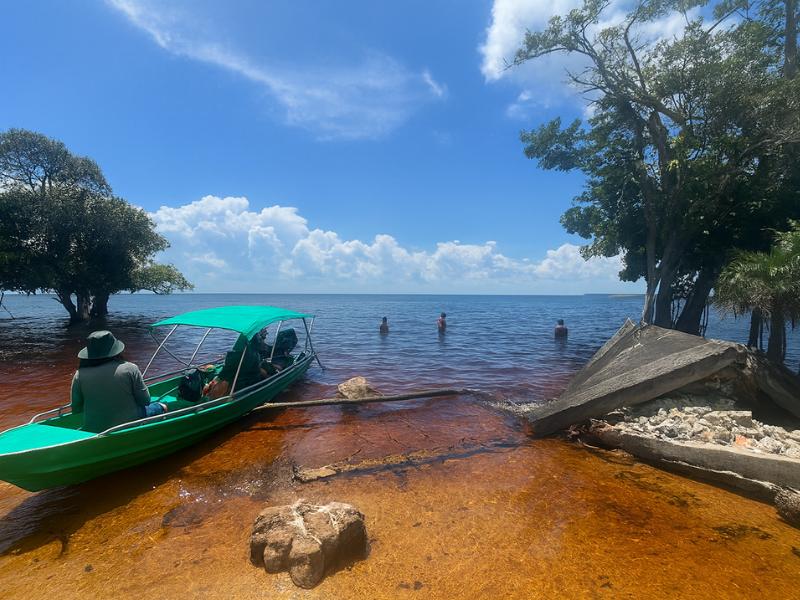
Manaus Jungle Trek: Amazonas & Anavilhanas Archipelago
Dry season (June–November). An eight-hour trek from Manaus covering Amazonas and the Anavilhanas Archipelago.
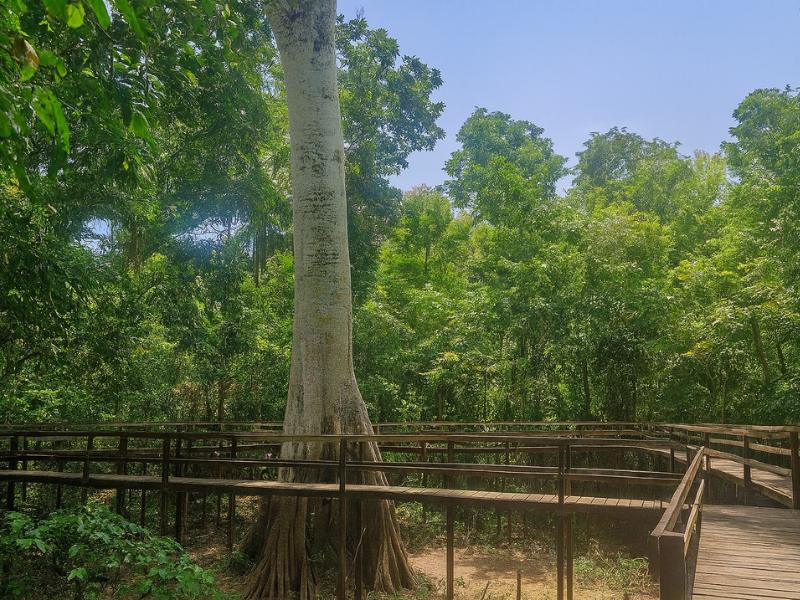
Amazon Jungle Safari from Manaus
Transition months (March–April, November–December). A six-hour jungle safari departing from Manaus.
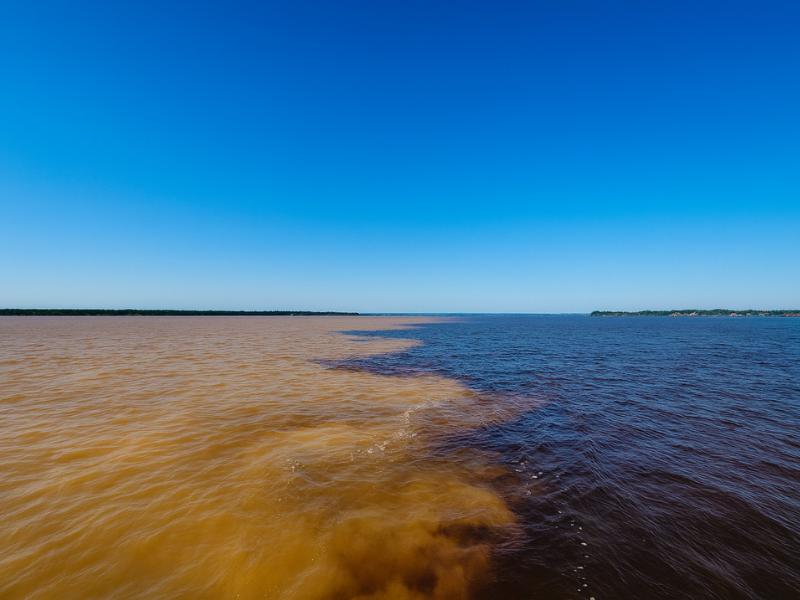
Amazon Tour: Meeting of the Waters & Pink Dolphins with Lunch
Wet season (December–May). Six hours for the Meeting of the Waters and pink dolphins, with lunch.
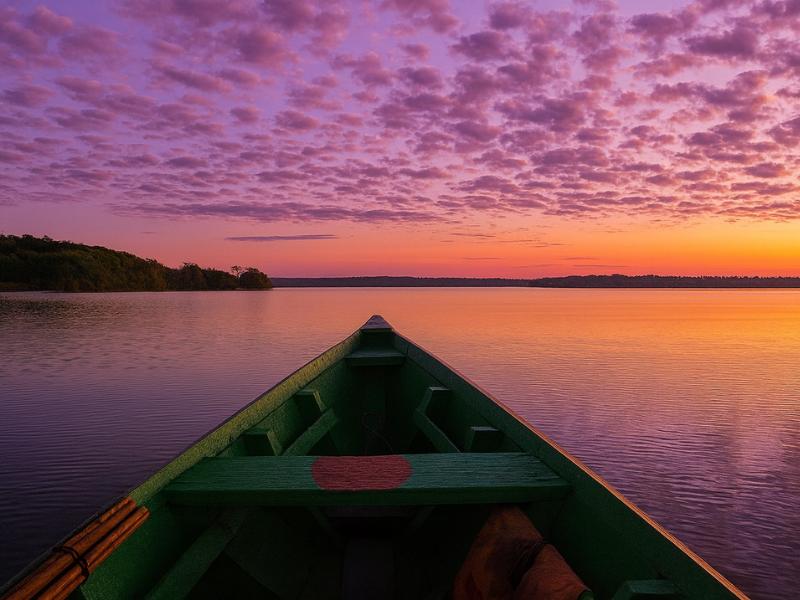
Amazon Jungle Tour: Overnight Rainforest Experience
Any season. Two days from Manaus with a rainforest hike and a night at a floating house.
No tour booking answers this specific question. Use this information to set your requirements before choosing an itinerary.
What Electronics and Camera Gear Survive Amazon Conditions?
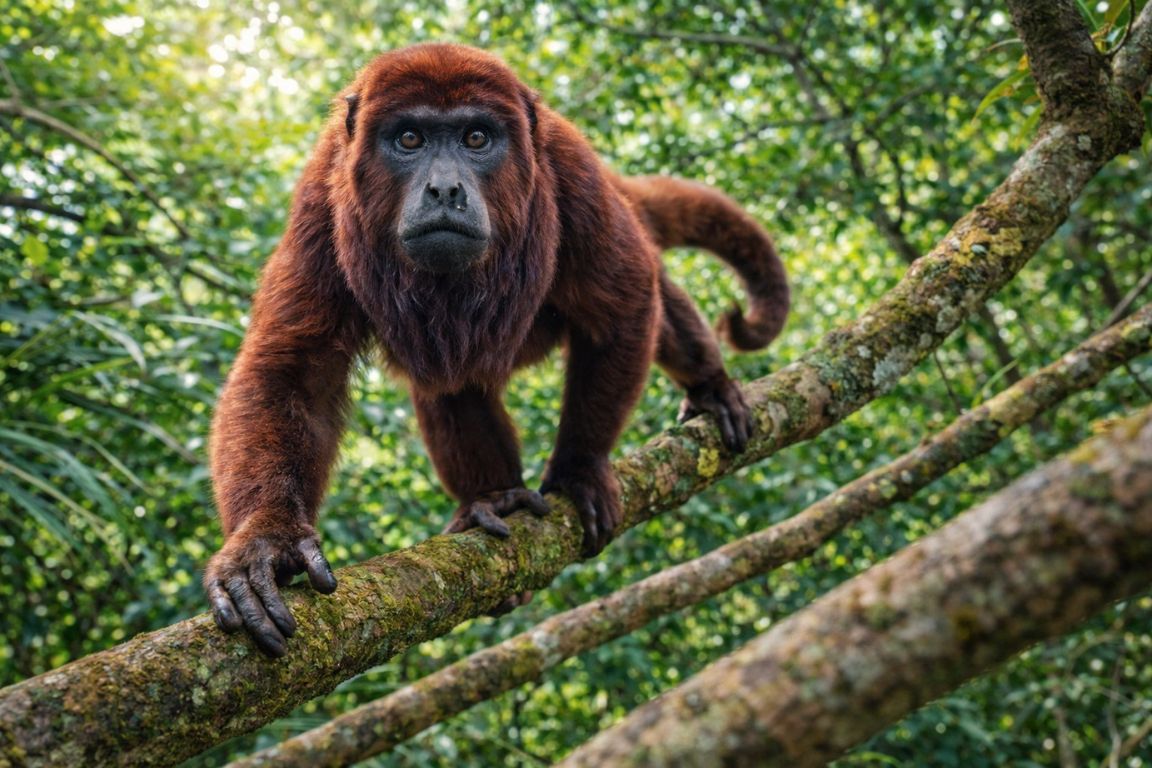
Electronics face two enemies: humidity (80-90% constantly) and rain (frequent unexpected downpours). Waterproof protection is mandatory.
Camera Protection: If bringing DSLR or mirrorless camera:
- Waterproof camera bag or case (LowePro, Peak Design)
- Dry bag (10-20L) containing camera bag inside for double protection
- Silica gel packets inside camera bag absorbing moisture (replace daily)
- Keep camera in sealed dry bag except during use
- Wipe lens before each use (humidity creates fog/condensation)
- Bring 2x memory cards (one backup if card corrupted by moisture)
- Extra batteries (2-3 total, humidity drains batteries faster)
Point-and-shoot or waterproof cameras (GoPro, tough compacts): These handle conditions better than DSLRs. Still keep in dry bag when not using.
Phone protection:
- Waterproof case (Lifeproof, OtterBox waterproof series)
- Keep in ziplock bag inside dry bag when not needed
- Most lodges offer limited charging (plan accordingly)
Headlamp (Essential): LED headlamp with red light option is non-negotiable for night activities. Features:
- Red light mode (doesn’t blind night vision, less disturbing to wildlife)
- Adjustable brightness levels
- Water-resistant (not necessarily waterproof, but resistant)
- Comfortable headband
Petzl, Black Diamond, Princeton Tec options ($30-60)
Bring extra batteries (AAA or rechargeable) – lodges have limited charging access and you use headlamp nightly.
Charging Infrastructure:
- Portable power bank (10,000-20,000 mAh) charging phone/camera multiple times
- All charging cables and adapters (Brazil uses Type N plugs, 127V or 220V)
- Universal adapter if bringing international devices
- Keep all charging equipment in dry bag when not actively using
Lodge electricity runs limited hours (morning 2-3 hours, evening 3-4 hours typical). Charge everything when power available, use power bank for gaps.
Binoculars (Essential for Wildlife): 8×42 or 10×42 binoculars are essential for wildlife viewing – phone zoom doesn’t substitute. Features:
- 8x or 10x magnification (higher = harder to hold steady in heat/humidity)
- 42mm objective lens (gathers enough light in forest shade)
- Waterproof or water-resistant
- Lightweight (you wear them all day)
- Neck strap
Vortex, Nikon, Bushnell offer options ($100-400). This is worth investing in quality – cheap binoculars with poor optics frustrate more than help.
What NOT to Bring:
- Hair dryer (lodges may have, but pointless – 85% humidity means hair won’t dry anyway)
- Laptop (no wifi at lodges, added weight, moisture risk)
- Kindle/e-reader (bring one book instead – moisture risk for electronics)
- Excessive electronics (every device increases moisture risk and charging burden)
- Expensive jewelry (serves no purpose, risk of loss)
Waterproof Case Priority: Phone, camera, batteries, charging cables, headlamp – all live in dry bags when not actively using. Humidity alone (without rain) damages electronics. One moment of carelessness leaving camera out overnight in humid forest air can introduce moisture causing malfunction. Discipline about returning items to dry bags immediately after use prevents expensive replacements.
Planning for photography? Here’s what animals you’ll see in Brazilian Amazon tours so you know which lens to bring.
What Toiletries and Medical Supplies Do You Actually Need?
Lodges provide basics (soap, maybe shampoo) but not specialized items. The nearest pharmacy is 3-6 hours away in Manaus – bring everything you might need.
Toiletries:
- Toothbrush and toothpaste (travel size)
- Deodorant (though you’ll sweat it off within hours, psychological benefit)
- Shampoo (travel size or use lodge provided)
- Soap (lodge provided usually, but bring preferred brand if specific needs)
- Razor (if shaving, though many skip in jungle)
- Feminine hygiene products (bring full supply needed – lodges don’t stock)
- Toilet paper (small roll backup – some basic facilities run out)
- Wet wipes or baby wipes (invaluable for freshening up between limited showers)
- Hand sanitizer (before meals, after bathroom when handwashing limited)
- Lip balm with SPF (sun + dehydration = chapped lips)
- Antifungal powder or cream (humidity creates foot/groin fungal issues)
All toiletries go in ziplock bags preventing leak disasters in luggage.
Sunscreen SPF 50+: Bring 2 bottles (100ml each). You’re at equator with river reflection amplifying exposure. Reapply every 2-3 hours during boat rides and exposed activities. Face, neck, ears, hands, arms get hit hardest.
Medical Kit:
- Prescription medications (bring 2x what you need in original labeled containers)
- Anti-diarrheal (Imodium – not if but when you get diarrhea)
- Oral rehydration salts (crucial for dehydration from diarrhea or heat)
- Pain reliever (ibuprofen or acetaminophen for headaches, general pain)
- Antihistamine (for allergic reactions to plants, insects, or food)
- Antibiotic ointment (treating cuts/scrapes in humid environment)
- Bandages (various sizes for blisters, cuts, scrapes)
- Butterfly closures or Steri-Strips (closing deep cuts)
- Moleskin or blister treatment (for boot rubs before they become serious)
- Anti-nausea medication (Dramamine for boat motion if prone)
- Any personal medications (allergies, chronic conditions, emergency medications)
Malaria prevention depends on the exact itinerary and individual health. Distance from Manaus is not a reliable safety cutoff. Discuss the route, activities and accommodation with a travel-health clinician and follow the prescribed course.
- Full course as prescribed
- If prescribed, start malaria medication on the schedule provided for that specific drug and complete the full course.
- Continue throughout trip
- Complete full course after returning (often 1-4 weeks post-trip)
- Keep in original container with prescription label
- Know side effects (some cause vivid dreams, sun sensitivity, nausea)
Vaccination Documentation:
- Yellow fever vaccination certificate: Brazil does not require this for entry, but vaccination is recommended for many Amazon itineraries. Check the complete onward itinerary and discuss vaccination timing and suitability with a clinician.
- Photocopy stored separately from original (in case original lost)
- Digital photo on phone as backup backup
First Aid Note: Lodges have basic first aid supplies and guides have training, but bringing personal medical kit ensures you have exactly what you need without language barriers or waiting. This is self-sufficiency in remote environment where medical care is hours away.
No tour booking answers this specific question. Use this information to set your requirements before choosing an itinerary.
Table: Complete Brazilian Amazon Packing List by Category
| Category | Items | Quantity | Weight | Pack Where | Essential? | Notes |
|---|---|---|---|---|---|---|
| Clothing | Quick-dry t-shirts | 3-4 | 500g | Main bag | YES | Never cotton, neutral colors |
| Long-sleeve shirts | 2 | 400g | Main bag | YES | Sun/insect protection | |
| Zip-off convertible pants | 2 | 800g | Main bag | YES | Synthetic, never cotton | |
| Quick-dry underwear | 5-6 | 200g | Main bag | YES | Change daily minimum | |
| Quick-dry socks | 3-4 pairs | 200g | Main bag | YES | Wool blend or synthetic | |
| Rain jacket | 1 | 400g | Daypack | YES | Lightweight waterproof packable | |
| Rain pants | 1 | 250g | Daypack | Recommended | Full-leg zips for boot access | |
| Swimsuit | 1 | 100g | Main bag | Maybe | For lodge swimming areas | |
| Fleece layer | 1 | 300g | Main bag | Maybe | Evening boat cooling | |
| Footwear | Hiking boots | 1 pair | 1000g | Wear | YES | Broken in, waterproof, ankle support |
| Water shoes | 1 pair | 300g | Main bag | YES | Quick-dry, closed-toe | |
| Flip-flops | 1 pair | 200g | Main bag | Maybe | Lodge use only | |
| Protection | DEET repellent 30%+ | 2-3 bottles | 300g | Main bag/daypack | YES | Pharmaceutical strength mandatory |
| Sunscreen SPF 50+ | 2 bottles | 400g | Main bag/daypack | YES | Equatorial sun serious | |
| Wide-brimmed hat | 1 | 150g | Wear/pack | YES | Sun protection, breathable | |
| Bandanas | 2-3 | 50g | Daypack | Recommended | Multi-use, sweat management | |
| Electronics | Headlamp with red light | 1 | 100g | Daypack | YES | Night activities mandatory |
| Camera | 1 | Variable | Dry bag | Optional | Protect obsessively from moisture | |
| Phone | 1 | 200g | Dry bag | YES | Waterproof case + ziplock + dry bag | |
| Power bank | 1 | 300g | Dry bag | Recommended | 10,000-20,000 mAh | |
| Charging cables | All needed | 200g | Dry bag | YES | Plus Brazil adapter | |
| Binoculars 8×42 | 1 | 600g | Daypack | YES | Essential wildlife viewing | |
| Bags | 10L dry bag | 1 | 100g | Daypack | YES | Electronics protection |
| 20L dry bag | 1 | 150g | Main bag | YES | Documents, backup clothes | |
| Ziplock bags | 10-15 | 50g | Various | YES | Organization, protection | |
| Daypack 20-30L | 1 | 600g | Use daily | YES | Daily activities, rain cover | |
| Medical | Prescription meds 2x supply | As needed | Variable | Dry bag | YES | Original containers |
| Diarrhea medication | 1 pack | 50g | Dry bag | YES | Imodium or equivalent | |
| Pain reliever | 1 bottle | 100g | Dry bag | YES | Ibuprofen/acetaminophen | |
| First aid basics | Kit | 300g | Dry bag | YES | Bandages, antibiotic cream, etc | |
| Documents | Passport | 1 | 50g | Dry bag | YES | Plus photocopy separate |
| Yellow fever certificate | 1 | 5g | Dry bag | YES | Carry if vaccinated; check onward entry rules | |
| Flight confirmations | Printed | 20g | Dry bag | YES | Lodge wifi unreliable | |
| Travel insurance | Printed | 10g | Dry bag | YES | Medical evacuation coverage | |
| Cash USD/BRL | $200-300 | Minimal | Dry bag | YES | Small bills for tips |
Total Weight Budget: Target 12-15kg main luggage (lodge boat limits typically 15-20kg per person). Daypack 3-5kg for daily activities.
How Does Packing Differ for Dry Season vs Wet Season Amazon Travel?
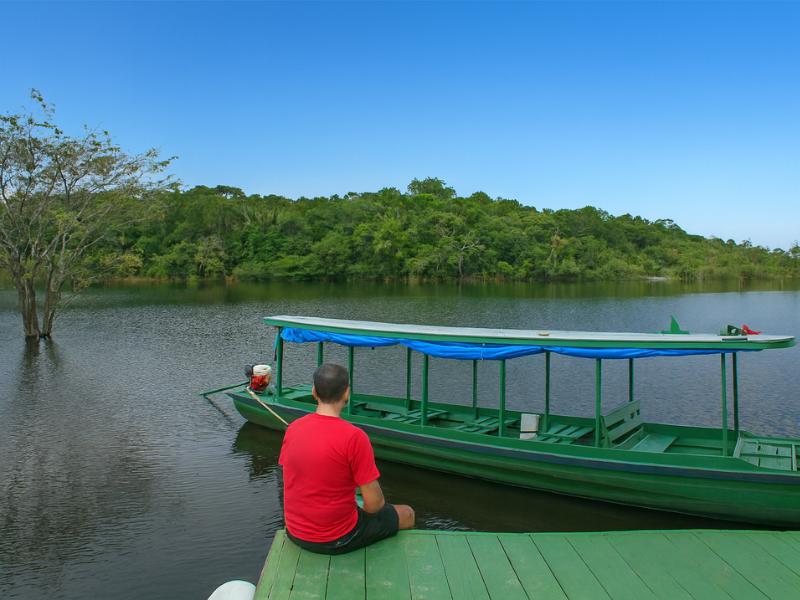
Seasonal adjustments are minor but worth noting:
Dry Season (June-November) Additions:
- Extra insect repellent (mosquitoes concentrated near shrinking water sources)
- More aggressive sun protection (less cloud cover, more direct exposure)
- Slightly less rain gear emphasis (though still essential – rain still happens)
- Possible water bottle priority (less ambient moisture, easier dehydration)
Wet Season (December-May) Additions:
- Extra dry bag capacity (more frequent rain soaking gear)
- Additional clothing set in dry storage (higher likelihood needing backup)
- Rain gear tested and verified before trip (daily use guaranteed)
- Possibly fewer mosquitoes near lodge (water volume dilutes populations, though biting still occurs)
Transition Periods (March-April, November-December) Additions:
- Maximum insect protection (mosquito populations peak during water level changes)
- Extra clothing rotation (weather unpredictable, may need more changes)
- Increased rain gear reliability (weather most unstable these months)
The truth: Pack the same regardless of season. All periods need insect protection, rain gear, quick-dry clothing, and waterproof electronics storage. Seasonal variations are marginal – prepare for worst conditions year-round and you’re covered.
We’ve mapped out the best time to visit Brazilian Amazon tours based on wildlife activity, river conditions, and what you’ll actually experience.
FAQs
What’s the single most important packing rule for the Brazilian Amazon? Zero cotton clothing – everything must be quick-dry synthetic (polyester, nylon) or merino wool. Cotton stays wet 18-24+ hours in 80-90% humidity causing chafing, bacteria growth, and miserable discomfort that ruins trip enjoyment. This single material choice affects every waking hour in the Amazon. Quick-dry fabrics dry in 2-3 hours even in extreme humidity. Check every clothing item before packing – if it’s cotton, leave it home and buy synthetic replacement. This rule is non-negotiable for comfortable Amazon experience.
How much insect repellent should I actually bring to the Amazon? Bring 2-3 bottles (100ml each) of 30-50% DEET repellent for 4-7 day Amazon trip. You’ll use one 100ml bottle every 5-7 days when applying properly to all exposed skin every 4-6 hours plus spraying on clothing. Lesser concentrations (<20% DEET) or “natural” alternatives with citronella/lemongrass fail completely against aggressive Amazon mosquitoes lasting only 20-30 minutes. This isn’t optional or negotiable – pharmaceutical-grade DEET 30%+ is mandatory for tolerable insect protection. Budget $30-45 total for adequate supply.
Can I skip waterproof dry bags if I’m careful with my electronics? No – dry bags protecting electronics (camera, phone, charging equipment) and documents (passport, insurance, cash) are absolutely essential. Amazon humidity alone (85-90% constantly) damages electronics even without rain exposure. One boat spray, unexpected storm, or overnight humidity condensation destroys unprotected cameras and phones permanently. Dry bags cost $20-40 total (one 10L for electronics, one 20L for documents/backup clothes) preventing $500-2,000 equipment replacement. Roll-top dry bags create waterproof seal when folded 3-4 times and clipped. This is basic infrastructure, not optional accessory.
Should I bring hiking boots or will water shoes be enough? Bring both – hiking boots (waterproof, ankle support, broken in) for muddy rainforest trails, and water shoes (quick-dry, closed-toe) for wet boat landings and river activities. You cannot hike Amazon trails safely in sandals or water shoes – muddy slippery uneven terrain with roots and rocks requires ankle support and aggressive tread. Water shoes alone leave you unable to participate in forest hikes (4-6 hours daily activities). Budget $150-280 total for both ($100-200 boots, $50-80 water shoes) plus cheap flip-flops ($10-20) for around-lodge use.
What clothing should I pack for a 5-day Amazon tour? Pack light using quick-dry rotation: 3-4 short-sleeve quick-dry t-shirts, 2 long-sleeve shirts (sun/insect protection), 2 convertible zip-off quick-dry pants, 5-6 quick-dry underwear, 3-4 pairs quick-dry socks, 1 lightweight rain jacket, 1 rain pants, 1 swimsuit, wide-brimmed hat, 2-3 bandanas. This totals roughly 3-4kg clothing. Wear one outfit, have one drying, one clean backup. You’ll rewear items or accept slight dirtiness – this is jungle not fashion show. Zero cotton allowed – everything must be synthetic quick-dry materials. Add lightweight fleece if prone to cold (evenings can cool to 22-24°C after days in 32°C).
How do I protect my camera from Amazon humidity and rain? Three-layer protection system: (1) Waterproof camera bag or case (LowePro, Peak Design), (2) Roll-top dry bag (10-20L) containing camera bag, (3) Silica gel packets inside camera bag absorbing moisture (replace daily). Keep camera sealed in dry bag except during active use. Wipe lens before each use removing humidity condensation. Bring 2x memory cards (moisture can corrupt cards) and 2-3 extra batteries (humidity drains batteries faster). Never leave camera out overnight – constant 85% humidity introduces moisture damaging electronics. Take photo, return camera to dry bag immediately. Disciplined waterproofing prevents $1,000-3,000 equipment replacement.
Malaria prevention depends on the exact itinerary and individual health. Distance from Manaus is not a reliable safety cutoff. Discuss the route, activities and accommodation with a travel-health clinician and follow the prescribed course.
Should I buy cheap gear to save money or invest in quality? Invest in critical items (hiking boots, rain jacket, insect repellent quality, dry bags), save on non-essentials. Quality hiking boots ($120-200) prevent blisters and last years. Cheap boots ($40-60) cause pain entire trip and fail quickly. Quality rain jacket ($80-150) keeps you dry in sustained Amazon rain. Cheap jackets ($20-40) leak after first storm. However, flip-flops can be cheap ($10), bandanas generic ($5), and compression bags budget options ($15). Prioritize quality where gear failure causes genuine problems (footwear, waterproofing, insect protection, rain gear). Accept budget options for non-critical comfort items.
Glossary
Quick-Dry Fabric: Synthetic materials (polyester, nylon, treated blends) engineered to wick moisture and dry rapidly (2-4 hours) in humid conditions, essential for Amazon where 80-90% humidity prevents cotton from drying, eliminating chafing and bacteria growth affecting comfort throughout trip.
Use an effective registered insect repellent such as DEET or picaridin, following its label for age limits, application and reapplication. Permethrin is for clothing and equipment, never skin.
Dry Bag: Waterproof roll-top bag creating sealed protection for electronics, documents, and backup clothing against Amazon’s constant humidity and frequent rain – typically 10L for electronics, 20L for documents/clothes, using fold-and-clip closure eliminating moisture penetration.
Convertible Pants: Zip-off pants transforming into shorts via knee-level zippers, providing versatility for Amazon’s variable conditions – long pants for muddy morning hikes (insect protection), shorts for hot afternoons, back to long pants for evening mosquitoes.
Permethrin: Insecticide applied to clothing (not skin) killing ticks, mosquitoes, and insects on fabric contact, lasting 6-10 weeks through multiple washings when pre-treated before trip – valuable supplemental protection layer beyond DEET skin application.
Headlamp: Hands-free LED light worn on head with adjustable elastic band, essential for Amazon night activities (caiman spotting, nocturnal wildlife walks, navigating after dark) – red light mode preserves night vision and reduces wildlife disturbance.
Waterproof vs Water-Resistant: Waterproof gear withstands sustained rain maintaining dry interior (rain jackets, dry bags), while water-resistant items repel light moisture but fail in heavy or prolonged exposure – Amazon requires truly waterproof protection for guaranteed performance.
Compression Bag: Storage bag using straps or roll-compression reducing clothing volume 30-40% compared to regular packing, maximizing limited luggage space while protecting contents from moisture – typically stuff sack style with compression straps.
Break-In Period: Time required wearing new hiking boots (20-30 hours) before Amazon departure, allowing leather/materials to conform to feet and identifying pressure points causing blisters – avoiding break-in period guarantees painful trip experience.
Silica Gel Packets: Moisture-absorbing packets placed inside camera bags and electronics cases fighting Amazon’s 85% humidity preventing condensation damage to sensitive equipment – requires daily replacement as packets saturate in extreme moisture environment.
Written by a Brazilian Amazon specialist with extensive experience understanding how Amazon’s extreme humidity (80-90% constant), frequent rain, aggressive mosquitoes, and remote infrastructure affect gear performance, relationships with travelers learning through painful trial-and-error what equipment succeeds versus fails in rainforest conditions, knowledge of weight restrictions on small lodge boats requiring strategic packing, and commitment to specific actionable advice (quick-dry synthetics, 30%+ DEET, broken-in boots, dry bags) rather than generic “pack light” platitudes that don’t address Amazon’s unique challenges destroying cotton clothing, unprotected electronics, and inadequately prepared travelers within days. Date: December 29, 2025.