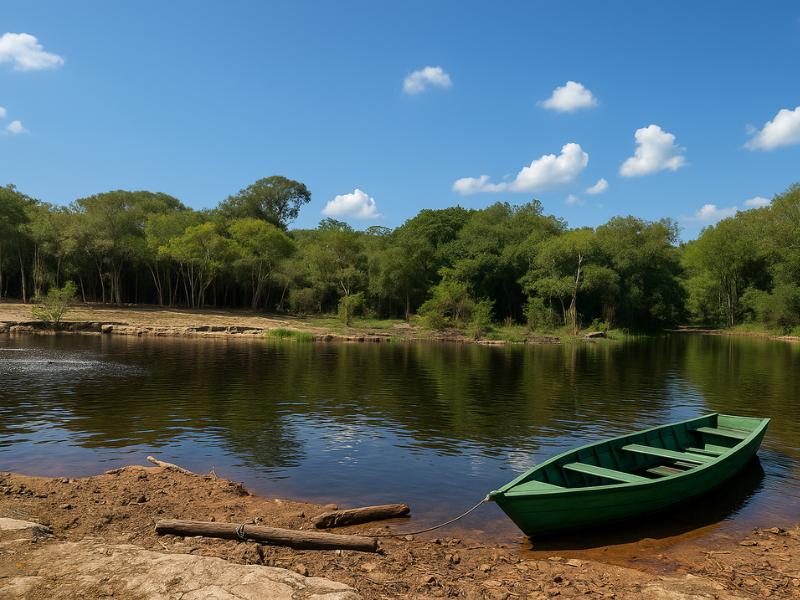
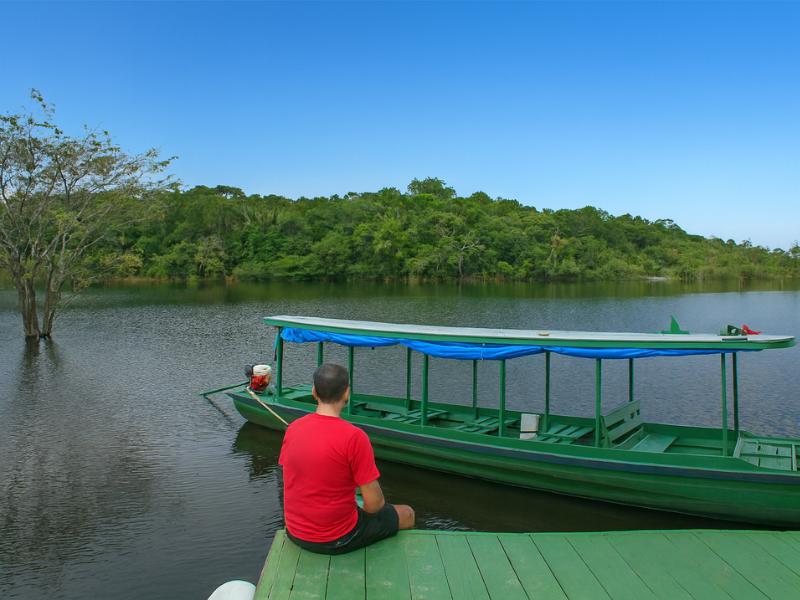
What Animals Will I See in the Brazilian Amazon?
Expect a search for wildlife, not a guaranteed species list. Habitat, timing, guiding and chance all matter; choose a route for its activities rather than unsupported sighting percentages.
Last updated: March 10, 2026
Choose a wildlife outing by habitat and time, without promised sightings. Explore Three-Day Amazon Wildlife And Culture Adventure ↗
Planning note: price ranges, sample schedules and percentage comparisons below are illustrative editorial estimates, not live quotes or measured predictions. The linked itineraries state their own duration, location, inclusions and restrictions; wildlife sightings are never guaranteed.
Why Aren’t Amazon Wildlife Sightings Like African Safari?
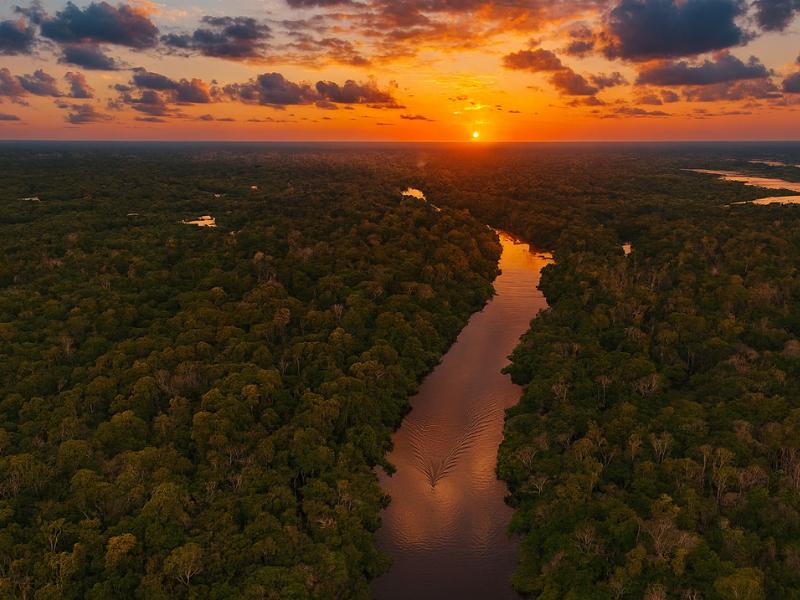
Setting realistic expectations prevents disappointment. The Amazon operates fundamentally differently from African savanna ecosystems.
Dense Forest Hides Animals: African savanna provides clear sightlines – open grassland where elephants, lions, and giraffes stand visible from hundreds of meters. Amazon rainforest features dense vegetation creating natural camouflage. A jaguar can sit 10 meters from the trail completely invisible in understory shadows. Birds perch in 40-meter canopy partially obscured by leaves. Sloths blend perfectly with tree branches and moss. The forest actively hides its inhabitants.
This means Amazon wildlife viewing requires: keen observation skills, expert guides knowing where/when animals appear, patience waiting for movement that reveals camouflaged creatures, and acceptance that you’ll miss animals you walk past without noticing. Even experienced guides spot only 30-40% of animals actually present during typical hike.
Animals Are Dispersed, Not Concentrated: African wildlife concentrates at waterholes during dry season – guaranteed viewing locations. Amazon animals disperse throughout vast continuous forest. One monkey troop might occupy 2-3 square kilometers. Finding them requires knowing territories, listening for calls, and systematic searching. There’s no “drive to the watering hole and watch parade of animals.”
During Amazon dry season (June-November), animals do concentrate somewhat around remaining water sources, improving viewing odds 30-50%. But even concentrated, they’re not standing in open like African savanna herds.
Nocturnal and Secretive Species Dominate: Many Amazon mammals are nocturnal (active only at night) or crepuscular (active dawn/dusk only). Midday forest is relatively quiet – animals avoid heat. Your hiking schedule (typically 6-9:30am, 4-6:30pm) targets active periods, but you’re still missing the 60-70% of species only active after dark when you’re having dinner or sleeping.
Secretive behavior means even diurnal (daytime) animals flee from human sounds. Silent patient visitors see 2-3x more wildlife than loud groups crashing through forest.
Size and Scale Mislead: The Amazon is vast – 5.5 million square kilometers. Population densities are low. Jaguars occupy territories of 25-100 square kilometers each, with perhaps 0.5-2 jaguars per 100 square kilometers in good habitat. Your 3-hour hike covers maybe 5-8 kilometers. The math doesn’t favor encounters with rare apex predators.
Even “common” species like capybaras exist at low densities compared to African antelope herds. You might see 3-8 capybaras near a river during lucky encounter, not 50-100 animals like African wildebeest herds.
The Honest Reality: You will see wildlife – lots of it. But Amazon delivers biodiversity (many different species in small numbers) rather than biomass (huge numbers of visible large animals). This creates different excitement: spotting the camouflaged sloth is thrilling discovery requiring skill and luck. Seeing your first pink river dolphin breach is magical. Watching leaf-cutter ant superhighways demonstrates ecosystem complexity. But if you expect African safari volume of large mammal sightings, you’ll be disappointed.
Need a recommendation? Here are the best Amazon jungle tours that consistently get it right – from budget to luxury.
Table: Amazon Wildlife Viewing vs African Safari Reality
| Factor | African Safari | Brazilian Amazon | Why It Matters | Expectation Setting |
|---|---|---|---|---|
| Habitat | Open savanna, clear sightlines 100-500m | Dense rainforest, visibility 5-20m | Forest hides animals effectively | Expect harder spotting, need guides |
| Animal Concentration | Waterholes concentrate animals predictably | Dispersed through continuous forest | No “guaranteed viewing spots” | Accept searching, not guaranteed finds |
| Typical Mammals Per Day | 15-30 species, 100-500+ individual animals | 5-10 species, 20-60 individual animals | Lower density, harder visibility | Quality over quantity encounters |
| Large Charismatic Mammals | Guaranteed (elephants, lions, giraffes, zebras daily) | Rare (jaguars <5%, tapirs 10-15%, anteaters 15-25%) | Amazon has fewer large conspicuous mammals | Don’t expect big game parade |
| Bird Visibility | Open perching, clear views | Canopy perching, partial obstruction by leaves | Harder photography, need good binoculars | Birds heard more than clearly seen |
| Nocturnal Species | 20-30% of target species | 60-70% of mammals primarily nocturnal | Miss majority of mammals unless night excursions | Day hiking sees limited mammals |
| Viewing Method | Vehicle driving between locations | Walking (slower, quieter, better for discovery) | Different experience styles | More physical, more intimate |
| Guide Role | Locating known individuals/herds | Spotting camouflaged hidden animals | Amazon guides more critical for success | Guide quality dramatically affects outcomes |
| Photography Ease | Easy (clear shots, close animals) | Difficult (low light, obstructed views, distance) | Manage photography expectations | Most photos will be documentary not portfolio |
The comparison reveals Amazon is harder, slower, more discovery-based wildlife viewing requiring patience, expert guides, and realistic expectations about volume of large mammal sightings.
What Animals Will You Almost Certainly See in the Brazilian Amazon?
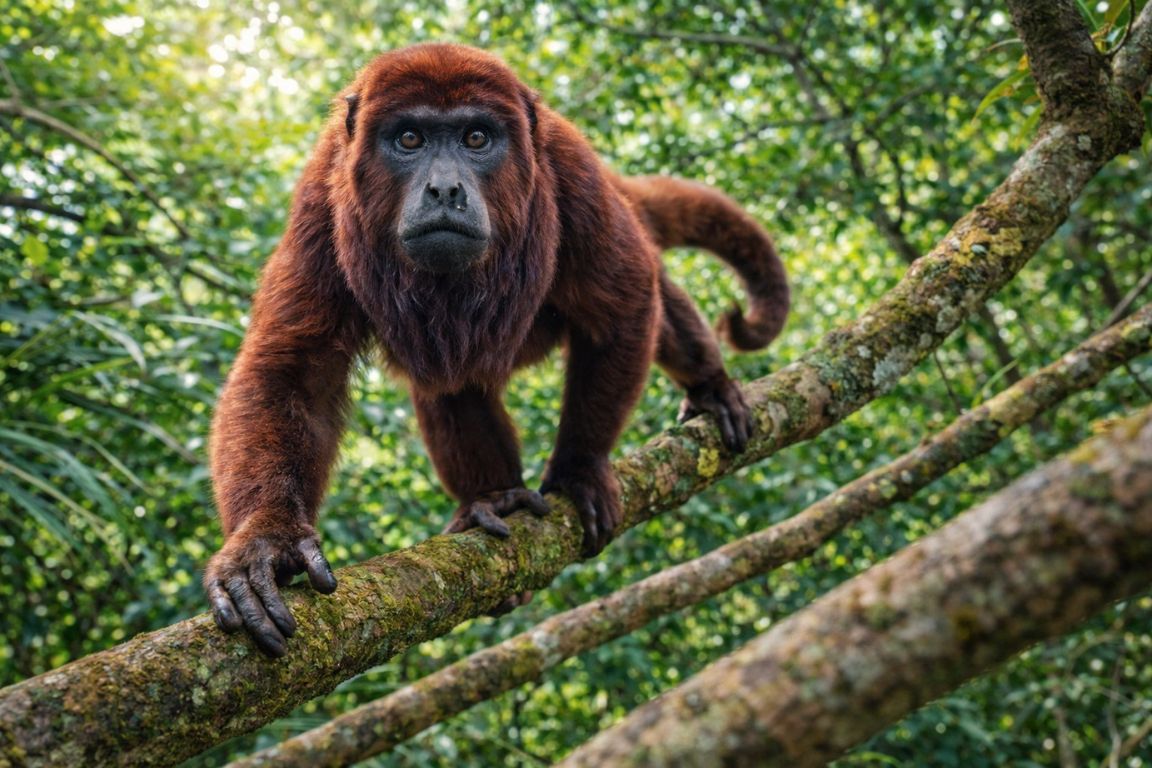
These species appear on 70-90% of multi-day Amazon tours with competent guides at reasonable locations (80km+ from Manaus).
Monkeys (Multiple Species, 80-90% Encounter Rate):
Howler Monkeys (Alouatta): You hear them before seeing them – the loudest land animal, their calls carrying 5 kilometers through forest sounding like lions or wind roaring. Large robust monkeys (4-9kg), moving slowly through canopy, feeding on leaves. Dark fur (black or reddish-brown depending on species). Travel in groups of 4-12. Relatively easy to spot once you locate their calls because they don’t flee immediately from observers.
Viewing tips: Listen for roaring calls early morning (5:30-7am). Follow sound to tree where troop feeds. They move slowly, allowing observation time.
Squirrel Monkeys (Saimiri): Small agile monkeys (weight 0.7-1.1kg), yellow-orange with white faces and black caps. Travel in large troops (20-75 individuals), creating noisy acrobatic spectacle moving through branches. Very active, constantly moving, jumping, vocalizing. Often associate with capuchin monkey troops for mutual protection.
Viewing tips: Watch for commotion in trees – squirrel monkey troops create obvious disturbance. Morning and afternoon activity peaks.
Capuchin Monkeys (Cebus/Sapajus): Medium-sized intelligent monkeys (2-4kg), brown or black with lighter faces. Extremely clever problem-solvers, use tools (rocks for cracking nuts), and display complex social behaviors. Travel in groups of 8-20. More wary of humans than squirrel monkeys but still regularly encountered.
Viewing tips: Watch for their curiosity – they often investigate unusual sounds. Intelligent eyes and human-like hand movements make them engaging to observe.
River Dolphins (Daily Encounters, 85-95%):
Pink River Dolphins (Inia geoffrensis): The iconic Amazon animal – pink-gray dolphins reaching 2.5 meters and 185kg. The pink coloration intensifies with age and activity (increased blood flow shows through thin skin). Extremely intelligent, curious, sometimes approaching boats. Feed on fish, using echolocation navigating murky water.
You’ll see them daily: breaching during boat transfers to/from lodges, feeding near riverbanks morning/evening, investigating boats (especially if motors stop). Close encounters possible when they surface near canoes.
Gray Dolphins (Sotalia fluviatilis): Smaller sleeker dolphins (1.5 meters, 50kg), steel-gray coloration. Faster swimmers than pink dolphins, often seen in groups. Less famous but equally common. Frequently swim in mixed groups with pink dolphins.
Viewing tips: Watch for splashes and blow-spouts on river surface. Dawn and dusk feeding times provide best viewing. Dry season (low water) concentrates dolphins in main channels increasing encounter frequency.
Caimans (Nightly Encounters, 90-95%): Spectacled caimans (Caiman crocodilus) and black caimans (Melanosuchus niger) appear reliably on night boat excursions. Their eyes reflect red in flashlight beams, creating eerie effect as dozens of glowing eyes appear along riverbanks. Range from 30cm babies to 3+ meter adults (black caimans larger than spectacled).
Viewing strategy: Night boat rides (every lodge does these), guides spotlight riverbanks and water surface. Juvenile caimans are abundant (you’ll see 10-30 per hour-long excursion). Large adults are less common but still regularly encountered.
Birds (Daily Sightings, 90-100% for Major Species):
Toucans (Ramphastos species): Large distinctive birds with enormous colorful bills, black bodies with white/yellow chest, prominent in canopy. Multiple toucan species exist (Toco Toucan, Channel-billed Toucan, White-throated Toucan). Their loud croaking calls announce presence before you see them. Often seen in pairs or small groups moving between fruiting trees.
Parrots and Macaws (various Ara and Amazona species): Colorful large parrots including spectacular macaws (blue-and-yellow, scarlet, red-and-green). Loud raucous calls, dramatic flight patterns, often seen in pairs (mate for life). Feed in canopy fruiting trees creating noisy feeding frenzas. Blue-and-yellow macaws especially common in many areas.
Herons, Egrets, and Wading Birds: White egrets, tricolored herons, cocoi herons, and others feeding along riverbanks and shallow water edges. These are constantly visible during boat journeys – you’ll see dozens daily. Less “exciting” than macaws but beautiful and accessible for photography.
Insects (Constant Presence, 100%):
Morpho Butterflies: Spectacular large butterflies (wingspan 12-20cm) with iridescent electric-blue wings visible from 50+ meters. Flight pattern distinctive – flashing blue when wings open, brown when closed creating strobe effect. Multiple species, all stunning. You’ll see several daily.
Leaf-Cutter Ants: Industrious ants cutting circular leaf sections and carrying them back to underground colonies along established superhighways. Watching their organization is mesmerizing – thousands working coordinated system. You’ll encounter their trails on virtually every forest hike.
Various Other Insects: Stick insects, katydids, massive beetles, countless butterflies, dragonflies, wasps, termite mounds. The insect diversity is staggering – you’re constantly seeing species you’ve never encountered.
Table: Amazon Wildlife Encounter Probability by Species
| Species | Encounter Probability (Multi-Day Tour) | Viewing Difficulty | Best Time/Location | Factors Affecting Odds | Satisfaction Level |
|---|---|---|---|---|---|
| Howler Monkeys | 80-90% | Easy (loud calls, slow movement) | Early morning canopy, any season | Guide’s hearing, patience following calls | High – engaging behavior |
| Squirrel Monkeys | 70-85% | Easy (large troops, active) | Morning/afternoon, forest edges | Location quality, troop territories | Very High – entertaining acrobatics |
| Capuchin Monkeys | 60-75% | Moderate (intelligent, wary) | Morning/afternoon, forest trails | Visitor noise levels, food availability | Very High – intelligence fascinating |
| Pink River Dolphins | 85-95% | Very Easy (daily boat travel) | Morning/evening rivers, dry season better | Season (concentrated in dry), luck | Extremely High – iconic species |
| Caimans | 90-95% | Very Easy (night spotlight) | Every night boat excursion | Lodge location (any), season minimal effect | High – guaranteed viewing |
| Toucans | 80-95% | Easy (loud, conspicuous) | Morning/evening canopy, fruiting trees | Fruiting season, guide spotting skills | Very High – instantly recognizable |
| Macaws | 70-90% | Easy-Moderate (loud but high canopy) | Morning/afternoon, certain flyways | Specific location (nesting sites nearby), season | Extremely High – spectacular |
| Sloths | 40-60% | Difficult (camouflaged, motionless) | Any time (always slow), look up | Guide expertise critical, visitor patience | Very High when spotted – patience rewarded |
| Capybaras | 30-50% | Moderate (specific habitats) | Dawn/dusk riverbanks, dry season | Location (várzea habitats), time of day | High – endearing animals |
| Morpho Butterflies | 95-100% | Very Easy (conspicuous flight) | Any sunny period, forest trails | Weather (sunny days), season (year-round) | High – stunning beauty |
| Leaf-Cutter Ants | 95-100% | Very Easy (trails everywhere) | Any forest hike, active 24/7 | None – ubiquitous | Moderate-High – fascinating behavior |
What Animals Might You See with Luck and Good Guides?
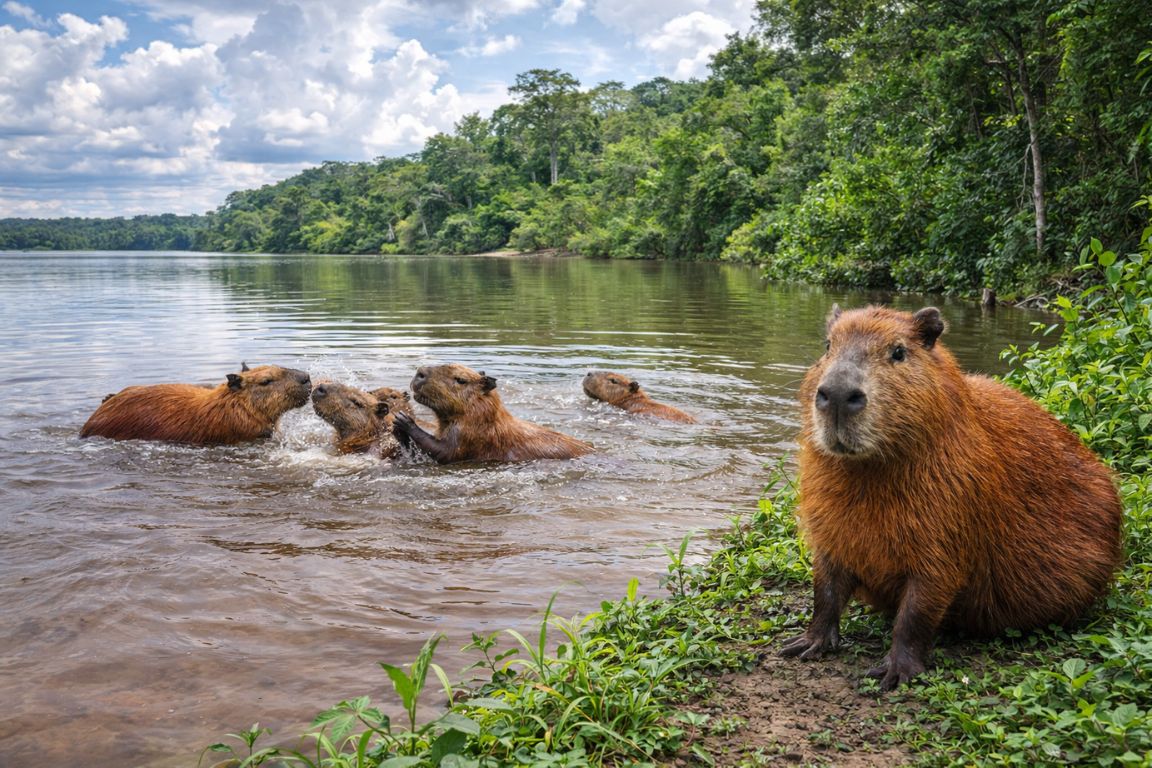
These require combinations of remote location (100km+ from Manaus), expert guides, patience, and luck. Possible but not guaranteed.
Sloths (Three-Toed and Two-Toed, 40-60% Encounter Rate): Sloths are masters of camouflage – their fur grows algae creating green tinge blending with foliage. They move so slowly (0.15-0.25 km/h) that even when spotted, observers sometimes think they’re looking at moss-covered branch until movement finally reveals the animal.
Three-toed sloths (Bradypus) have distinctive permanently-smiling face, move even slower than two-toed. Two-toed sloths (Choloepus) are slightly larger, more active (relatively speaking), but still extremely slow.
Spotting strategy: Expert guides systematically scan canopy looking for “lumps” that don’t match branch structure. Once spotted, sloths usually remain viewable for extended periods (they move too slowly to escape quickly). Dawn and dusk when they shift position slightly offer best odds, though they’re present all day.
Why they’re missed: Casual observers looking for movement miss sloths because they’re motionless 80% of day. You must train your eyes to recognize their shape against branches.
Capybaras (30-50% Encounter Rate): World’s largest rodent (50-65kg), semi-aquatic, looking like giant guinea pigs. Live in social groups (10-30 individuals) near water. Dawn and dusk activity peaks when they feed on riverbank grasses. During midday heat, they rest in shade or water.
Location matters enormously: várzea (seasonally flooded) habitats with grassy riverbanks support higher capybara populations. Terra firme (upland) forest has fewer. Lodges near appropriate habitat improve odds to 60-70%.
Viewing strategy: Dawn/dusk boat trips along rivers and lakeshores. Watch for movement in riverside vegetation. Dry season improves odds (concentrated at water). Groups are easier to spot than solitary animals.
Anacondas (5-10% Brief Sighting Rate): Green anacondas (Eunectes murinus) are largest snakes by weight (up to 250kg, 5-6 meters typical adults, exceptional individuals 7-8 meters). Primarily aquatic, sluggish on land but powerful swimmers. Non-venomous constrictors feeding on capybaras, caimans, fish, birds.
Why encounters are rare: Anacondas are shy, mostly submerged, and excellent at hiding in murky water and aquatic vegetation. They don’t bask openly like some reptiles – they’re cryptic and reclusive.
When spotted: Usually brief glimpse swimming away, or basking on fallen log before detecting humans and sliding into water. Very rarely, guides find individuals sunning on riverbank and can approach for better viewing.
Photography reality: Most anaconda photos are either: (1) Distant blurry shots of snake escaping, (2) Captive snakes at facilities (not wild), or (3) Extremely rare lucky encounters with cooperative individuals. Set low expectations.
Giant Otters (10-15% in Protected Areas, <5% Elsewhere): Endangered species (Pteronura brasiliensis) reaching 1.8 meters and 32kg, social groups (family units of 4-10), extremely charismatic with complex vocalizations and playful behavior. Feed cooperatively on fish.
Why they’re rare: Hunted nearly to extinction for fur trade (1940s-1970s). Populations recovering in protected areas but remain low density. Require clean rivers with abundant fish – habitat that’s been degraded in many regions.
Where you might see them: Specialized eco-lodges in protected zones sometimes have resident family groups in nearby oxbow lakes. These lodges advertise giant otter presence. General Amazon tours rarely encounter them.
Anteaters (Giant 10-20%, Tamandua 20-30% Encounter Rates):
Giant Anteater (Myrmecophaga tridactyla): Distinctive appearance – long snout, bushy tail, black stripe across body. Large terrestrial anteater (40-50kg) walking on knuckles. Rarer than smaller species, requires specific savanna-forest edge habitat. Most lodges are deep forest where giant anteaters don’t occur.
Tamandua (Lesser Anteater): Smaller (3-8kg), partially arboreal, tan/brown with black vest pattern. More common in forest than giant anteater. Sometimes spotted crossing trails or climbing trees searching for arboreal ant/termite nests.
Tapirs (5-15% Signs/Tracks, <5% Actual Sightings): Lowland tapir (Tapirus terrestris) – largest Amazon mammal accessible to tourists (200-250kg), resembling pig with short elephant trunk. Nocturnal, shy, excellent swimmers. Extremely wary of humans.
You’re more likely to find fresh tracks and dung on muddy trails than see actual animal. Tapir paths are obvious – their size creates distinct trails. But the animals themselves are incredibly cryptic and rarely seen despite being relatively “common” (ecologically speaking).
Night excursions sometimes spot tapirs drinking at rivers/lakes, but even then, sightings are brief before animal flees.
River Otters (Not Giant – Neotropical, 20-30%): Smaller otter species (Lontra longicaudis, 5-14kg), solitary or pairs, less rare than giant otters. Quick movements, playful behavior, feeding on fish and crustaceans. Brief glimpses swimming in rivers/streams, occasionally prolonged viewing if otter is comfortable or focused on fishing.
What Animals Are Extremely Rare and Shouldn’t Be Expected?
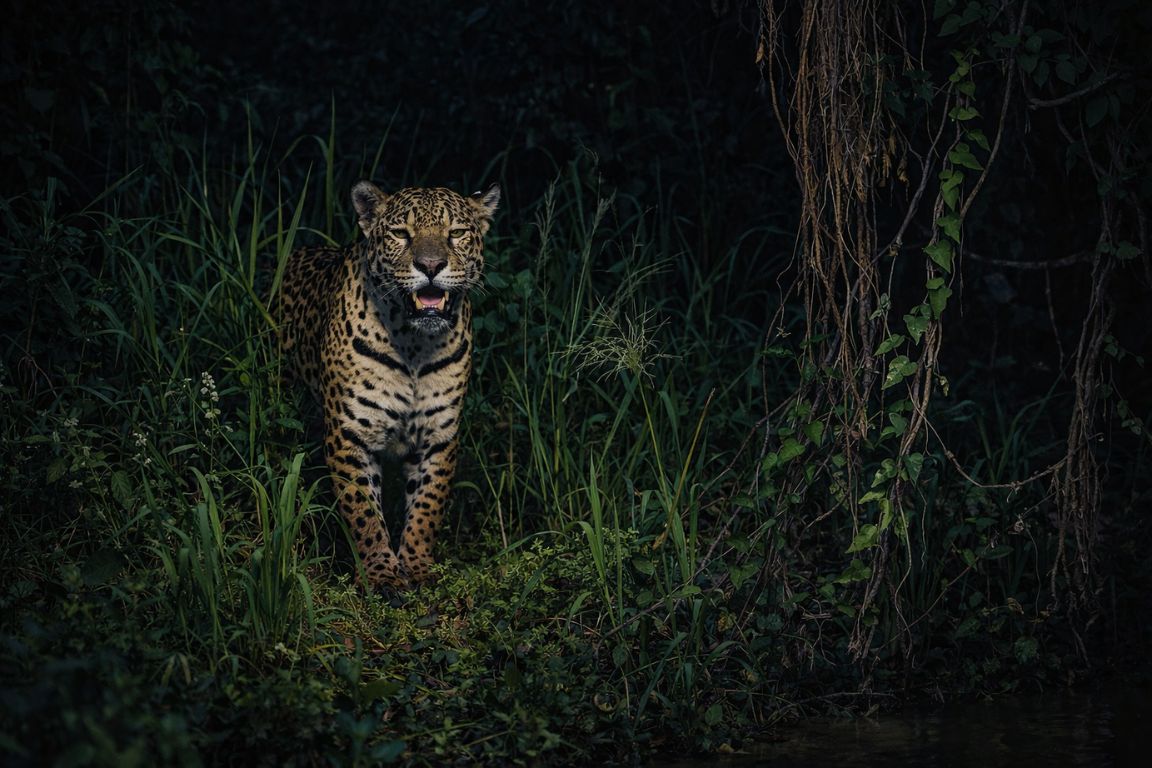
Tourist marketing often features these species prominently, but actual wild encounters are exceptional, not typical.
Jaguars (<5% Actual Sighting Rate): The Amazon’s apex predator (80-150kg), solitary, nocturnal, enormous territories (25-100 square kilometers), and extremely wary of humans. Jaguars exist throughout Amazon at low densities, but seeing one requires extraordinary luck.
The math doesn’t work in visitors’ favor: Your 5-day trip covers maybe 30-40 square kilometers of forest (with overlap between daily hikes). One jaguar might occupy 50-80 square kilometers. If you’re lucky, your visited area overlaps one jaguar’s territory. But that jaguar is: (1) Nocturnal (active when you’re sleeping/at lodge), (2) Shy (avoids humans), (3) Cryptic (masters of camouflage), and (4) Wide-ranging (might be 10 kilometers away during your visit).
What you might see: Fresh tracks in mud, scat (dung) on trails, scratch marks on trees (territorial marking), prey kill remains. Guides get excited finding fresh signs because it means jaguar nearby recently. Actual jaguar sightings are guide-story material they tell for years – the exception that proves the rarity.
Specialized jaguar tours exist (Pantanal wetlands in Brazil have more reliable jaguar viewing than Amazon rainforest – more open habitat). Standard Amazon rainforest tours should not promise jaguars. Any operator “guaranteeing” jaguar sightings is dishonest.
Harpy Eagles (<2% Sighting Rate): World’s largest and most powerful raptor (7-9kg, 2-meter wingspan), apex avian predator hunting monkeys and sloths. Requires primary forest with tall emergent trees. Extremely rare, low density (one pair per 30-50 square kilometers), and spends most time high in canopy where spotting from ground is nearly impossible.
Specialized tours with expert birding guides targeting known harpy eagle nesting territories (if located) can improve odds to 20-30%. General Amazon tours: under 2% encounter rate. Most guides have never seen wild harpy eagle despite years in forest.
What’s possible: Other impressive raptors including crested eagle, ornate hawk-eagle, and black-and-white hawk-eagle. These aren’t harpy eagles but still spectacular Amazon raptors providing consolation for the unlikely harpy sighting.
Pumas (Mountain Lions, <3% Sighting Rate): Present in Amazon but even more secretive than jaguars. Smaller (50-70kg), solitary, nocturnal, cryptic. Extremely rare encounters. Signs (tracks, scat) occasionally found but actual sightings are exceptional.
Ocelots and Margays (Small Cats, <5% Combined): Beautiful spotted cats (ocelots 8-16kg, margays 2-4kg), nocturnal, arboreal (margays especially), extremely shy. Night excursions very rarely spot them. Eye-shine reflection caught in flashlight before cat disappears is typical “sighting.”
Poison Dart Frogs (Variable by Location): While not necessarily rare, their small size (2-5cm), cryptic nature, and specific microhabitat requirements mean many visitors miss them despite guides pointing them out. Beautiful brilliant colors (red, blue, yellow) warn predators of toxic skin secretions. You might see them if guides know specific territories, but not guaranteed.
None of the verified Manaus itineraries offers dependable jaguar or other rare-species sightings. Do not choose a departure on that expectation.
Table: Rare Amazon Animals – Reality vs Marketing
| Species | Marketing Claims | Actual Reality | Why They’re Rarely Seen | What You’ll Actually Experience | Should You Expect? |
|---|---|---|---|---|---|
| Jaguar | “See jaguars!” prominently featured | <5% actual sightings, 15-25% fresh signs (tracks/scat) | Nocturnal, enormous territories, wary of humans, low density | Tracks, scat, scratch marks, guide stories, extreme luck glimpse | NO – signs possible, sighting exceptional |
| Harpy Eagle | Photos showing majestic raptor | <2% sightings general tours, 20-30% with specialist guides at known nests | Extremely low density, high canopy dwelling, requires specific habitat | Other impressive raptors instead, maybe distant perched bird | NO – unless specialized tour |
| Giant Anteater | Featured prominently in marketing | 10-20% actual sightings, location-dependent | Specific habitat (savanna-forest edge), not deep forest, wary | More likely in Pantanal than Amazon rainforest | Maybe if appropriate habitat |
| Anaconda | Photos of massive snakes | 5-10% brief glimpses, mostly escaping | Aquatic, cryptic, shy, excellent hiding in murky water | Brief distant swimming snake or basking log before escaping | Possible but fleeting |
| Giant Otter | Playful families featured | 10-15% in protected reserves, <5% elsewhere | Endangered, low population, specific habitat requirements | Only at specialized lodges with known resident groups | NO – unless specifically at giant otter lodge |
| Tapir | Large distinctive mammal | 5-15% signs common, <5% actual animal sightings | Nocturnal, shy, cryptic despite size | Fresh tracks, dung, trails, guide excitement at signs | Signs yes, animal extremely rare |
| Puma | Marketing mentions “big cats” | <3% sightings | More secretive than jaguar, nocturnal, low density | Tracks if very lucky | NO – effectively never |
| Poison Dart Frogs | Colorful spectacular photos | Variable (30-60% with guides who know locations) | Small, specific microhabitats, cryptic despite colors | Possible if guides skilled and know territories | Maybe – guide-dependent |
The pattern: Rare species appear prominently in marketing materials because they’re charismatic and photogenic, but actual encounter odds are minimal. Honest operators emphasize common species you’ll reliably see while noting rare species are possible but unlikely.
None of the verified Manaus itineraries offers dependable jaguar or other rare-species sightings. Do not choose a departure on that expectation.
What Factors Actually Affect Your Wildlife Encounter Success?
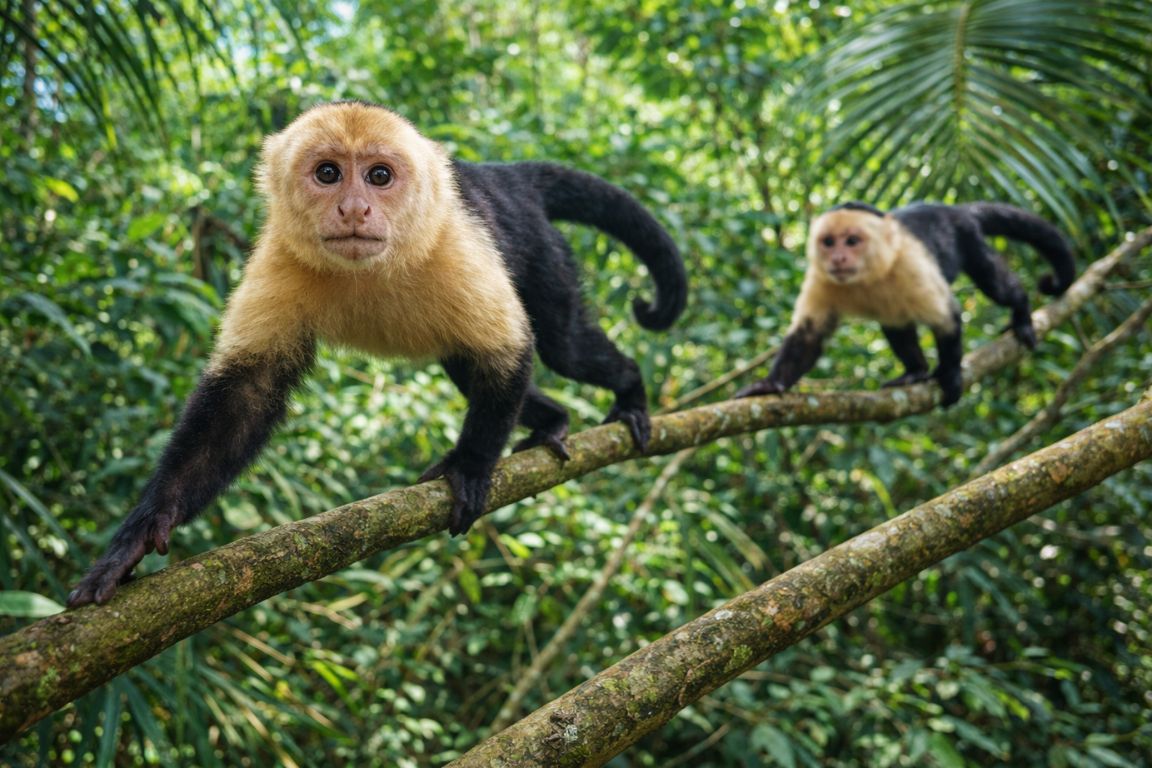
Wildlife viewing isn’t random – specific variables dramatically influence outcomes.
Lodge Distance from Manaus (Critical Variable):
Near Lodges (30-60km):
- Wildlife disturbed by decades of hunting pressure, fishing, tourism
- Secondary forest with reduced biodiversity
- Common species present but at lower densities
- Rare species (jaguars, tapirs, giant otters) essentially absent
- Encounter success: 60-70% of species on common list
Mid-Distance Lodges (80-120km):
- Significantly less human disturbance
- Mix of secondary and primary forest
- Wildlife more abundant and visible
- Rare species possible but still uncommon
- Encounter success: 75-85% of common species, 15-25% of uncommon
Remote Lodges (150km+):
- Minimal human disturbance, pristine habitat
- Primary forest with maximum biodiversity
- Wildlife abundant and behaving naturally
- Rare species possible (still low probability but better than near lodges)
- Encounter success: 85-95% of common species, 25-40% of uncommon
The distance effect is profound: Choosing lodge 120km from Manaus versus 40km improves overall wildlife encounters by 40-60% based on guide and visitor reports.
Season (Moderate-Significant Variable):
Dry Season (June-November):
- Animals concentrate at shrinking water sources
- Better visibility on land trails (less flooding, clearer paths)
- Improved tracking (mud shows fresh prints)
- Easier spotting (animals must visit reliable water)
- Beach/sandbar exposure provides viewing platforms
- Trade-off: More aggressive mosquitoes near concentrated water
Wet Season (December-May):
- Animals disperse throughout flooded forest
- More challenging spotting (greater area, less concentration)
- Unique flooded forest species and behaviors
- Better for aquatic species (caiman, fish, some birds)
- Less mosquito pressure overall
- Trade-off: Limited land hiking access
Dry season provides 30-50% better mammal viewing compared to wet season for species like monkeys, capybaras, and terrestrial animals. Bird diversity peaks differently by species – some prefer dry, others wet.
Recommended tours by season
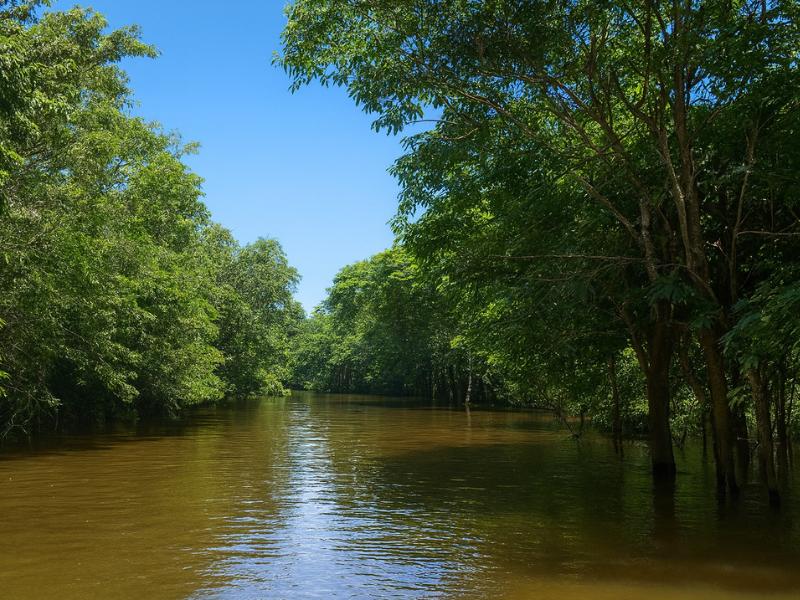
Amazon Jungle Tour: Full Day in the Rainforest
Dry season (June–November). A 12-hour small-group day from Manaus with a rainforest trek, pink river dolphins, piranha fishing, and nighttime caiman spotting.
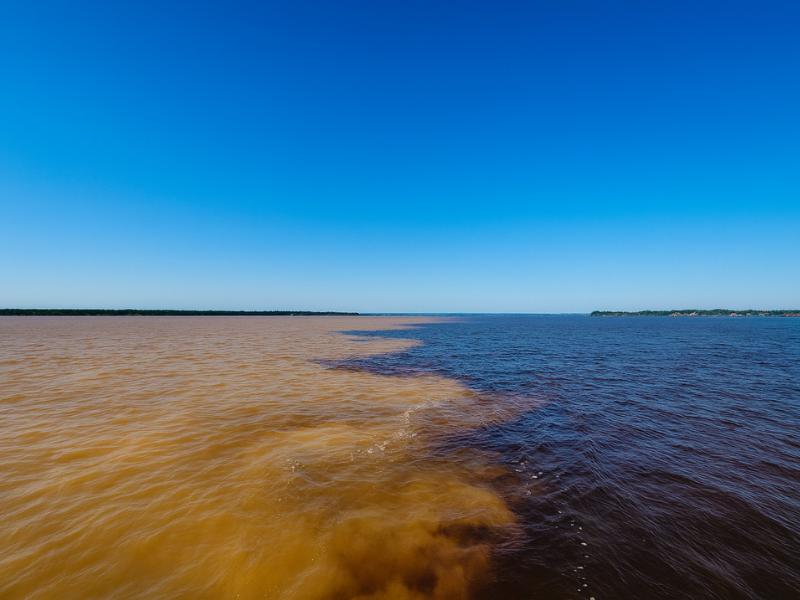
Amazon Tour: Meeting of the Waters & Pink Dolphins with Lunch
Wet season (December–May). A 6-hour river day for the Meeting of the Waters and pink dolphins, with lunch. Does not require dry hiking trails.
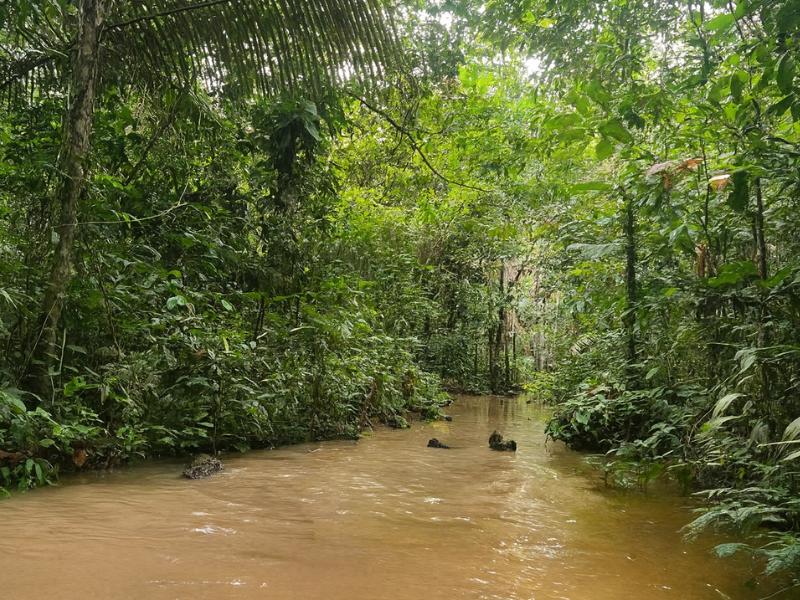
Full-Day Amazonas Birdwatching with Private Guide
Either season. A 10-hour private birdwatching day in Amazonas. This guide treats major bird groups as daily sightings even when mammal odds change.
Amazon Jungle Tour: 3-Day Wildlife, Culture & Pink Dolphins Adventure
Multi-day. A 72-hour itinerary on wildlife, culture, and pink river dolphins, with more than one dawn window.
Time of Day (Critical Variable):
Dawn (5:30-7:30am):
- Peak mammal activity (60-70% of mammal encounters)
- Best bird watching (morning chorus, active feeding)
- Cooler temperatures (animals more active)
- Less human noise (lodges just waking)
- This is THE time for serious wildlife viewing
Midday (10am-3pm):
- Lowest activity (heat drives animals to shade/rest)
- Most sightings during this period: resting sloths, some birds, insects
- Often designated rest period at lodges (too hot for comfortable hiking anyway)
Late Afternoon/Dusk (4-7pm):
- Second activity peak (30-40% of mammal encounters)
- Different species active than morning (some species prefer afternoon)
- Bats emerging (insectivorous bats visible at dusk)
Night (7pm-11pm):
- Caimans (guaranteed)
- Night birds, frogs (amphibian chorus)
- Possible mammals (tapirs, cats, night monkeys) but rare
- Insect diversity explodes
Taking Brazilian Amazon tours that emphasize dawn departures (5:30-6am starts) dramatically improves wildlife encounters versus tours starting at 8-9am after peak activity has ended.
Guide Quality (Absolutely Critical Variable):
Expert Naturalist Guides:
- Spot animals casual observers walk past
- Identify species by calls before seeing them
- Know individual animal territories and habits
- Understand behavior predicting where to look
- Your sightings: 3-4x more diverse than with basic guide
Basic Guides:
- Point out obvious animals (monkeys making noise, dolphins breaching)
- Miss cryptic species (sloths, well-camouflaged birds, distant raptors)
- Limited ecological knowledge (can name animals but not explain behaviors)
- Your sightings: Common species reliably, uncommon species mostly missed
The guide difference is enormous. Same location, same time, different guides produce dramatically different wildlife experiences. This is why Brazilian Amazon tours from Manaus with expert guides consistently outperform cheaper tours with basic guides despite visiting similar locations.
Visitor Behavior (Significant Variable):
Silent Patient Groups:
- See 2-3x more wildlife than loud groups
- Animals tolerate quiet observers longer
- Can sit and wait for animals to relax and resume natural behavior
Loud Rushing Groups:
- Scare animals before getting close
- Constant talking prevents hearing animal calls alerting to presence
- Rushing prevents patient observation
- Miss cryptic species requiring sustained looking
Personal discipline matters: Whispering instead of talking, walking carefully instead of crashing, stopping frequently to listen and look, wearing neutral colors instead of bright clothing.
How Can You Maximize Your Wildlife Encounter Success?
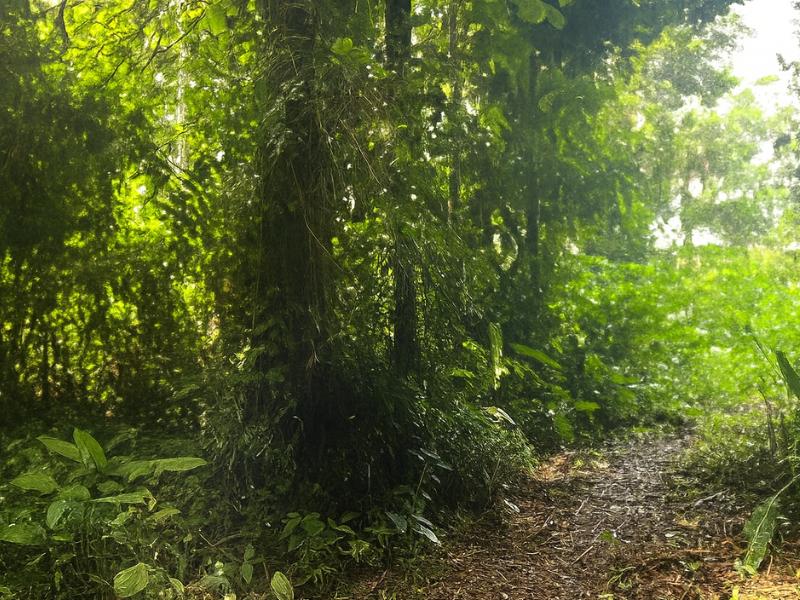
Practical strategies improving outcomes:
Choose Remote Location: Book lodges 100km+ from Manaus (3-4+ hour transfers). The transfer time investment pays enormous wildlife dividends. When planning your Brazilian Amazon tour, prioritize distance over convenience.
Visit During Optimal Season: Dry season (July-October specifically) provides best mammal viewing for most species. Wet season offers different but still valuable experiences. Avoid transition periods (March-April, November-December) with unpredictable weather and less reliable animal patterns.
Verify Guide Expertise: Ask operators about guide qualifications (university biology degrees, certified naturalist training, years of experience). Guides make or break wildlife experiences.
Book Adequate Duration: Five to six days minimum allows multiple dawn excursions (where most mammal viewing happens). Three-day trips attempt only 2-3 dawn periods – insufficient for wildlife patience and luck.
Prioritize Dawn Activities: Request earliest possible morning starts (5:30am ideally). The 6-9:30am window is critical. Lodges offering 7-8am starts miss peak activity.
Practice Patience: Spend time sitting quietly watching instead of constantly moving. Many animals reveal themselves to patient observers after 10-20 minutes of stillness.
Bring Quality Binoculars: 8×42 or 10×42 binoculars are essential. Phone zoom doesn’t substitute. Animals often appear 20-50 meters away in branches – binoculars make the difference between vague shape and clear identification.
Control Your Noise: Whisper instead of talking. Walk carefully. Stop frequently to listen. Animals hear you long before you see them – sound management is critical.
Let Guides Lead: Don’t rush ahead on trails. Guides know where to stop, where to look, what sounds indicate nearby animals. Following their rhythm improves outcomes.
Set Realistic Expectations: Accept you won’t see everything. Enjoy what appears instead of being disappointed by absences. The Amazon delivers surprise and discovery – embrace unpredictability.
We’ve got a complete guide on where to stay in Brazilian Amazon tours that compares what you actually get for your money.
What About Dangerous Animals – Should You Be Concerned?
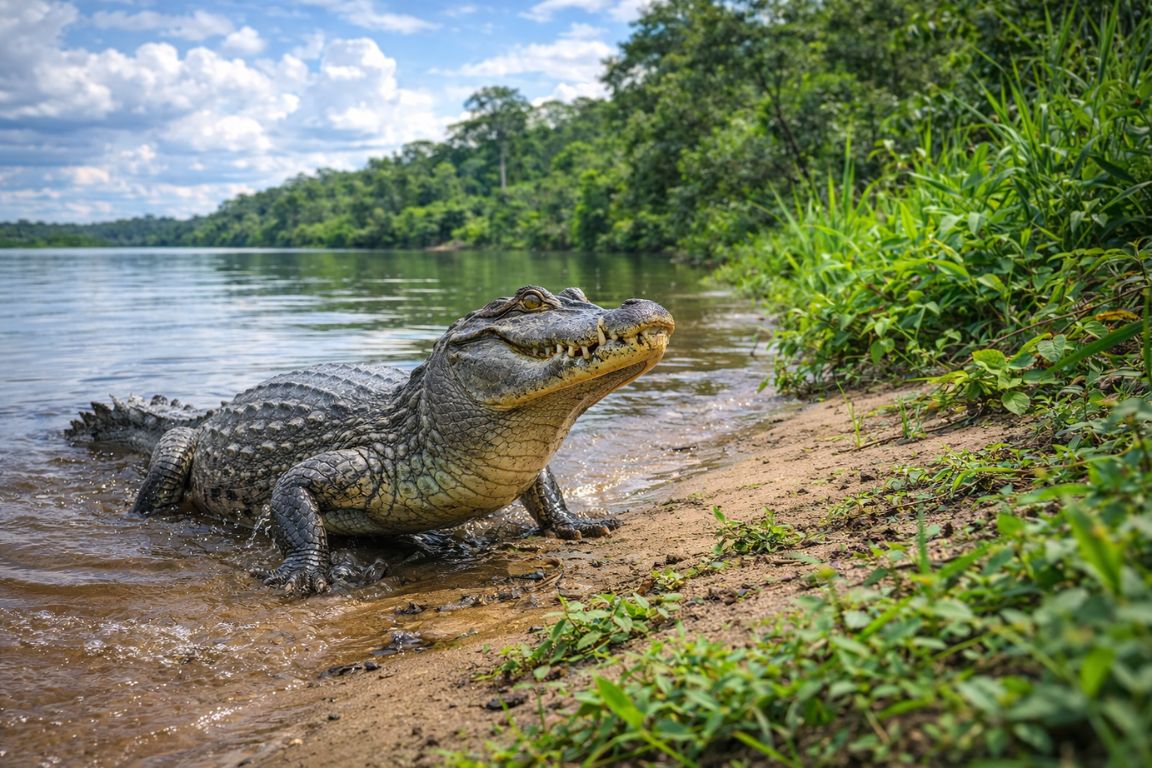 Amazon has dangerous species but actual risk to tourists is minimal with proper guidance.
Caimans: Spectacled caimans are shy and flee from humans. Black caimans (larger) similarly avoid people. Attacks on humans are extraordinarily rare. You’ll view them from boats at safe distances. Don’t swim in caiman-inhabited waters (guides know where it’s safe).
Anacondas: Not aggressive toward humans despite movie portrayals. They flee when detecting people. The rare encounters that occur involve snakes escaping immediately. No verified fatal anaconda attacks on adult humans exist in scientific literature.
Jaguars: Avoid humans actively. No modern records of jaguar attacks on Amazon tourists. The rare historical attacks involved habituated individuals near villages or injured/cornered animals.
Venomous Snakes: Present (lance heads, bushmasters, coral snakes) but encounters are rare. They’re shy and flee from vibrations. Wear boots and long pants on trails. Watch where you place hands when grabbing vegetation. Guides know how to avoid problem areas and identify species. Snake bite incidents among tourists are extremely rare (under 1 per 10,000+ visitors).
Piranhas: Not the frenzied man-eaters from movies. Piranhas are small (15-25cm), mostly scavenging, and only dangerous in specific circumstances (trapped in drying pools, blood in water, spawning season). Guides know where swimming is safe. Piranha fishing is fun tourist activity – you’ll catch small ones that guides handle safely.
Insects: The biggest actual danger is disease-carrying mosquitoes (malaria, dengue, yellow fever). This is why 30%+ DEET repellent is mandatory and yellow fever vaccination discussed with a clinician. Bullet ants and some wasps deliver painful stings but aren’t fatal. Guides know how to avoid nests.
River Hazards: Strong currents, submerged debris, and stingrays in sandy shallows present more danger than charismatic predators. Guides manage these risks through proper boat operation and knowing safe swimming locations.
Reality: Your biggest “danger” is diarrhea from new food (extremely common, not dangerous just unpleasant), dehydration from heat and humidity, or blisters from boots. Wildlife dangers are minimal compared to street crime in major cities or traffic accidents in daily life.
We’ve created a detailed Brazilian Amazon rainforest itinerary based on what actually works – not just what looks good on paper.
Table: Wildlife Encounter Strategies – What Works
| Strategy | Impact on Encounters | Implementation | Cost/Difficulty | When It Matters Most |
|---|---|---|---|---|
| Choose Remote Lodge (100km+) | +++++ (Massive improvement) | Book lodge 100-150km from Manaus | Higher cost ($50-100/night more), longer transfer time | Critical for all species, especially mammals |
| Visit Dry Season | +++ (Significant improvement) | Schedule July-October visits | Peak pricing, book 4-6 months ahead | Terrestrial mammals, concentrated viewing |
| Dawn Excursions | +++++ (Critical) | Request 5:30am starts, commit to early wake-ups | Requires discipline (uncomfortable waking) | 60-70% of mammal sightings happen this window |
| Expert Guides | ++++ (Major factor) | Research guide qualifications, book quality operators | Premium pricing ($100-200/night tours) | Spotting cryptic species, learning behaviors |
| Adequate Duration (5-6 days) | +++ (Important) | Book 5-6 day packages not 3-4 | Additional cost, more time investment | Multiple dawn attempts, weather buffers |
| Quality Binoculars | ++ (Moderate improvement) | Buy/rent 8×42 or 10×42 binoculars | $100-300 purchase | Birds, distant mammals, canopy species |
| Silent Behavior | +++ (Significant) | Discipline: whisper, walk carefully, stop frequently | Free (behavioral change) | All species, especially wary mammals |
| Patience/Waiting | ++ (Important) | Spend 10-20 min watching locations instead of constant movement | Requires patience, less trail distance covered | Cryptic species, allowing animals to relax |
| Appropriate Clothing | + (Minor help) | Neutral colors, avoid bright clothing | Minimal cost | Slightly less spooking of wildlife |
The data shows location (remote lodges), timing (dawn excursions, dry season), and guide quality dominate wildlife success. Expensive binoculars and perfect behavior help but can’t compensate for wrong location or poor timing.
FAQs
Will I see a jaguar on my Brazilian Amazon tour? Extremely unlikely (<5% actual sighting rate) – jaguars are nocturnal, solitary, occupy enormous territories, and actively avoid humans. You might see fresh tracks, scat, or scratch marks (15-25% probability) which guides get excited about because it means jaguar nearby recently. Standard Amazon rainforest tours cannot guarantee or even promise probable jaguar sightings. Any operator claiming “guaranteed jaguar encounters” is dishonest. Specialized Pantanal wildlife tours (different Brazilian ecosystem) provide better jaguar odds than Amazon rainforest. Set realistic expectations: extensive biodiversity including monkeys, dolphins, birds, reptiles, but not necessarily charismatic rare apex predators.
What animals will I definitely see in the Amazon? On multi-day tours (4-6 days) with competent guides at reasonable locations (80km+ from Manaus), you’ll reliably see: multiple monkey species (howler, squirrel, capuchin 80-90% combined), pink and gray river dolphins (85-95%), caimans on night excursions (90-95%), toucans and parrots (80-95%), macaws (70-90%), extensive insects including morpho butterflies and leaf-cutter ants (95-100%). No wild species is guaranteed on a tour. Sloths (40-60%), capybaras (30-50%), and anteaters (20-30%) are possible but not guaranteed. When choosing Brazilian Amazon tours, realistic wildlife expectations prevent disappointment while allowing surprise and delight at actual encounters.
Is Amazon wildlife viewing better in dry season or wet season? Dry season (June-November, specifically July-October) provides 30-50% better terrestrial mammal viewing – animals concentrate at shrinking water sources, trails are more accessible, and visibility improves with less flooded vegetation. Pink dolphins are easier to spot in narrower channels with lower water. However, wet season (December-May) offers unique flooded forest experiences, better conditions for some aquatic species, and fewer mosquitoes. For first-time visitors prioritizing reliable wildlife encounters, dry season delivers better odds. Return visitors seeking different perspectives should explore wet season’s flooded igapó forests and unique seasonal behaviors.
How important are expert guides for Amazon wildlife viewing? Absolutely critical – expert naturalist guides spot 3-4x more wildlife than basic guides. They identify animals by calls before seeing them, know individual territories and behaviors, spot camouflaged species casual observers walk past (sloths especially), and explain ecological relationships enriching understanding. The same location at the same time with different guide quality produces dramatically different experiences. When evaluating Amazon tour options, guide qualifications (university biology training, certified naturalist credentials, years of experience) should weigh equally with lodge location and price. Saving $200 on a budget tour with basic guides costs you potentially dozens of wildlife encounters worth far more than the savings.
Can I see anacondas, poison dart frogs, and other featured species? Anacondas: 5-10% probability of brief distant sightings (usually swimming away or basking before escaping). Poison dart frogs: 30-60% depending on guide knowledge of specific territories and seasonal activity. Both are much rarer than marketing materials suggest. Anacondas are shy aquatic snakes excellent at hiding in murky water – dramatic close encounters are exceptional not typical. Poison dart frogs are tiny (2-5cm), cryptic despite bright colors, and require guides who know exact microhabitats. Tour marketing features these species prominently because they’re photogenic, but actual wild encounters require luck and expertise. Set expectations around reliably-visible species (monkeys, dolphins, birds, caimans) rather than rare spectacular species.
What’s the difference between Amazon and African safari wildlife viewing? Amazon delivers biodiversity (many different species in small numbers requiring discovery) while African safari provides biomass (huge numbers of visible large animals). Amazon’s dense forest creates difficult viewing conditions – animals hide effectively in vegetation, most mammals are nocturnal or crepuscular, and sightings require expert guides spotting camouflaged creatures. Typical Amazon day: 5-10 mammal species, 20-60 individual animals, mostly smaller species. African safari: 15-30 species, 100-500+ animals including guaranteed elephants, lions, giraffes. Amazon viewing is more challenging, slower-paced, intimate, discovery-based requiring patience. Safari is easier, faster, more predictable. Both are valuable but fundamentally different experiences requiring different expectations.
How does lodge distance from Manaus affect wildlife encounters? Distance dramatically affects wildlife quality: Near lodges (30-60km) operate in disturbed secondary forest with reduced biodiversity and skittish remaining animals – 60-70% encounter success for common species. Mid-distance lodges (80-120km) reach substantially better habitat with 75-85% encounter success and possible uncommon species. Remote lodges (150km+) access pristine primary forest with 85-95% encounter success and best odds for rare species (still low probability but better than near). The improvement from 40km to 120km lodge location increases overall wildlife encounters by 40-60% based on systematic observations. When planning your Amazon visit, prioritize lodge distance as primary factor – remote location with basic facilities delivers better wildlife than luxury near-city lodge.
Should I expect to photograph wildlife like the marketing photos show? No – marketing photos typically show: (1) extremely rare encounters (the 1-in-100 perfect moment), (2) captive animals at facilities (not wild), (3) heavily cropped images making distant animals appear close, or (4) professional photographers with expensive equipment spending weeks for single shots. Realistic expectations: documentary photos proving you saw species, but rarely portfolio-quality images. Dense forest creates low light (high ISO noise), animals are distant (need telephoto 300mm+), and they move constantly or remain partially obscured by vegetation. Casual photography with phone or basic camera captures memories and identifies species but won’t match professional marketing imagery. Bring quality binoculars for viewing enjoyment rather than obsessing over perfect photos you likely won’t get.
Glossary
Encounter Rate: Statistical probability of seeing specific species during multi-day Amazon tour, expressed as percentage (e.g., 80-90% for howler monkeys means 8-9 out of 10 tours see them) – based on guide reports and visitor feedback from competent operations.
Cryptic Species: Animals using camouflage, motionlessness, or secretive behavior making them difficult to spot despite being present (sloths exemplify this – often within 20 meters but invisible to untrained observers).
Crepuscular: Animals primarily active during dawn and dusk twilight periods (5:30-7:30am, 5-7pm) – describes many Amazon mammals including capybaras, tapirs, and some primates, explaining why dawn excursions are critical for mammal viewing.
Primary Forest: Undisturbed old-growth rainforest never logged or cleared, featuring complete biodiversity, intact canopy structure, and natural animal populations – typically found 100km+ from cities, essential for quality wildlife encounters.
Secondary Forest: Regenerating rainforest previously disturbed by human activity (logging, agriculture), lacking old-growth characteristics, reduced biodiversity, and altered species composition – common within 60km of Manaus where most near-city tours operate.
Várzea: Seasonally flooded forest along white-water rivers, rich in nutrients, supporting different species than upland forest including capybaras and specific bird communities – one of Amazon’s distinct ecosystem types affecting which animals you’ll encounter.
Terra Firme: Upland rainforest never flooded by rivers, characterized by tall canopy, poor nutrient soil, and different species composition than várzea – most lodges operate in terra firme habitat.
Biodiversity: Variety of different species present in ecosystem, not total number of animals – Amazon delivers high biodiversity (many different species) but lower animal density than African savannas, creating different wildlife viewing experience.
Guide Quality: Combination of formal training (university biology degrees, naturalist certifications), field experience (years guiding), and practical skills (species identification, tracking, behavior interpretation) – single most important variable for wildlife encounter success after location.
Dawn Activity Peak: Period 5:30-7:30am when 60-70% of diurnal mammal encounters occur due to cooler temperatures, feeding activity, and reduced human disturbance – tours emphasizing early starts dramatically outperform later schedules for wildlife viewing.
Written by a Brazilian Amazon specialist with extensive field experience understanding realistic wildlife encounter probabilities across location variables (near-city vs remote), seasonal patterns (dry season concentration vs wet season dispersion), and guide quality impacts, relationships with naturalist guides and lodge operators providing actual sighting statistics rather than marketing exaggerations, commitment to honest expectation-setting about common species you’ll reliably see versus rare charismatic species unlikely despite prominent marketing featuring jaguars and anacondas, and understanding that Amazon rainforest wildlife viewing requires fundamentally different approach than African safari – patience, expert guides, dawn timing, and acceptance of biodiversity-over-biomass outcomes where discovering camouflaged sloth or spotting rare raptor creates more satisfaction than counting large mammal herds. Date: December 29, 2025.