1-Day vs 3-Day vs 5-Day Brazilian Amazon Tour: Which Should You Choose?
A full day works for a focused introduction; an overnight adds sunrise, and three to five days allow more activities and time in the forest. Compare the actual itinerary rather than assuming that duration alone determines value.
Last updated: March 10, 2026
Choose the time you can spend in the forest, including transfer days. Explore Three-Day Amazon Wildlife And Culture Adventure ↗
Planning note: price ranges, sample schedules and percentage comparisons below are illustrative editorial estimates, not live quotes or measured predictions. The linked itineraries state their own duration, location, inclusions and restrictions; wildlife sightings are never guaranteed.
What Do You Actually Experience on a 1-Day Amazon Tour?
Let’s be brutally honest about what “1-day Amazon tour” delivers.
Typical 1-Day Itinerary Reality:
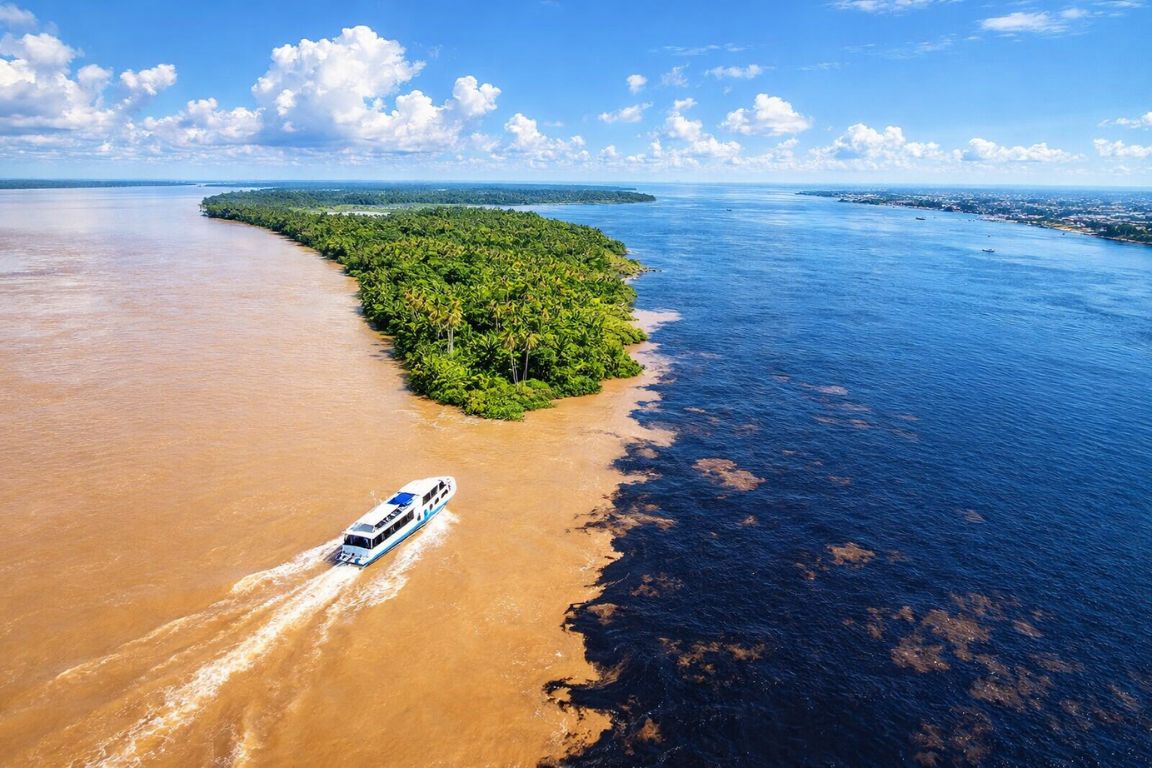
8-9am: Hotel pickup in Manaus, 30-40 minute van ride to port 9:30am: Board tourist boat with 20-40 other day-trippers 9:45am-12pm: Meeting of Waters boat tour – seeing where Rio Negro (black water) and Rio Solimões (brown water) flow side-by-side for 6km without mixing due to different temperatures and speeds. This is legitimate natural phenomenon and mildly interesting, but it’s viewed from boat taking photos, not “experiencing” anything. 12pm: Lunch at floating restaurant or basic lodge (included or extra depending on operator) 1-2:30pm: “Jungle walk” on maintained tourist trail within 10-30km of Manaus. This is heavily disturbed secondary forest with trails worn by thousands of tourists. Guide points out rubber trees, explains medicinal plants from guidebook knowledge, maybe spots common birds. No wildlife encounters beyond tourist-habituated species. 2:30-3pm: Optional indigenous village visit (highly commercialized – residents performing for tourists, selling crafts, posing for photos with face paint). This is cultural tourism theater, not authentic anthropological experience. 3:30-5pm: Return boat to Manaus 5-6pm: Drop-off at hotel
What You Actually Got:
- Total time: 8-10 hours including transfers
- Actual “Amazon” time: 4-5 hours (boat viewing, brief walk)
- Wildlife encounters: Common birds, maybe toucan, insects
- Learning: Surface-level guidebook facts
- Overnight in jungle: None (critical missing element)
- Dawn wildlife viewing: None (you’re still in Manaus hotel during prime hours)
- Authentic wilderness: None (tourist zone, disturbed habitat)
What You Missed:
- Overnight forest sounds (frogs, insects, howler monkeys, nocturnal birds creating symphony)
- Dawn excursions (60-70% of mammal sightings happen 5:30-7:30am when day-tourists are still at hotels)
- Adjustment to forest rhythm (your body never acclimates to heat/humidity in single day)
- Multiple ecosystem exposure (you saw one small area)
- Weather buffer (if it rains during your 2-hour forest window, your entire “jungle experience” is cancelled)
- Any sense of immersion or disconnection from civilization
- Night excursions spotting caimans (these happen after you’ve returned to Manaus)
- Genuine wildlife encounters beyond tourist-zone species
- Real understanding of Amazon ecosystem complexity
Who Books 1-Day Tours:
- Manaus layover with literally 8-10 hours to fill
- People “testing” if they’re interested in Amazon (wrong approach – this doesn’t represent real experience)
- Cruise ship passengers docked in Manaus single day
- Extreme budget travelers thinking $75 day-trip is “experiencing Amazon”
The Honest Verdict: One-day Amazon tours vary considerably in itinerary and value. You’re paying $50-100 to see Meeting of Waters (mildly interesting but not “Amazon rainforest”), walk maintained trail in disturbed forest near city, and return to Manaus having essentially experienced nothing authentic. This is comparable to visiting Grand Canyon rim viewpoint for 30 minutes and claiming you “did Grand Canyon.” You saw it, but you didn’t experience it.
If you only have one day, spend it exploring Manaus itself (Teatro Amazonas, historic center, markets) rather than wasting money on false “jungle experience” that provides no jungle immersion whatsoever. Choose a day itinerary for a focused introduction; choose an overnight trip if sleeping in the forest and sunrise activities matter to you.
We’ve got a full breakdown on how to plan a trip to the Brazilian Amazon tours if you want to know exactly what to book and when.
Table: 1-Day Amazon Tour – What You Get vs What You Pay For
| Element | What Marketing Implies | What You Actually Get | Reality Check | Value Rating |
|---|---|---|---|---|
| Amazon Experience | “Explore the Amazon!” | 2 hours in disturbed forest near city | Tourist zone, not wilderness | 1/10 – misleading |
| Wildlife | Photos of monkeys, dolphins, colorful birds | Maybe common birds, tour-habituated species | Zero authentic wildlife encounters | 2/10 – tourist animals only |
| Jungle Immersion | “Jungle adventure!” | Brief walk on maintained trail | No immersion, no overnight, superficial | 1/10 – not immersive at all |
| Meeting of Waters | Spectacular phenomenon | Actually is interesting natural feature | This is the only legitimate part | 7/10 – worth seeing but brief |
| Indigenous Culture | “Meet local tribes” | Commercialized performance for tourists | Not authentic cultural exchange | 3/10 – staged theater |
| Learning | “Expert guides teach ecosystem” | Generic guidebook facts, rushed | Surface-level only, no depth | 3/10 – very limited |
| Total Amazon Time | Full day adventure | 4-5 hours including boat rides | Mostly transit and lunch | 2/10 – minimal actual time |
| Dawn/Dusk Wildlife | Implied through marketing photos | None – you’re in Manaus during these times | Miss prime wildlife viewing | 0/10 – completely absent |
| Value for Money | Affordable introduction | $50-100 for essentially nothing | Poor ROI compared to multi-day | 2/10 – waste of money |
Bottom Line: If someone offered you $75 to spend 2 hours in disturbed forest with no wildlife after spending 3 hours on tourist boats and eating lunch, would you think that’s good value? That’s what 1-day tours deliver.
What Do You Actually Experience on a 3-Day/2-Night Amazon Tour?
Three days represents absolute minimum for claiming you “experienced” the Amazon, but it’s still rushed and incomplete.
Realistic 3-Day/2-Night Itinerary:
Day 1 (Arrival Day):
- 8-10am: Manaus hotel pickup
- 10:30am: Departure from port via speedboat
- 11:30am-2pm: Boat transfer to lodge (1-3 hours depending on lodge distance)
- 2-3pm: Arrive lodge, room assignment, lunch, orientation
- 3-4pm: Rest/settle in (you’re exhausted from heat, travel, humidity shock)
- 4:30-6:30pm: First activity – possibly sunset boat ride or short forest walk orientation
- 7pm: Dinner
- 8-9:30pm: Night excursion – caiman spotting with flashlights (first wildlife success – you’ll see dozens of caiman eyes glowing red)
- 10pm: Sleep (exhausted from travel, heat, humidity adjustment)
Day 1 Amazon Time: 3-4 hours activities (evening walk/boat, night caiman trip)
Day 2 (Only Full Activity Day):
- 5:30am: Wake-up, coffee
- 6-9:30am: Dawn rainforest hike (prime wildlife hours – this is your main opportunity for monkeys, birds, possibly sloths if lucky)
- 10am: Breakfast
- 10:30am-12:30pm: Free time/rest (too hot for activities)
- 12:30pm: Lunch
- 1-3pm: Mandatory siesta (heat is oppressive, everyone rests)
- 3:30-6pm: Afternoon activity – canoe trip or indigenous village visit or piranha fishing
- 7pm: Dinner
- 8-9pm: Optional second night excursion or free evening
Day 2 Amazon Time: 7-9 hours activities (dawn hike, afternoon activity, possible night trip)
Day 3 (Departure Morning):
- 5:30-7:30am: Final early morning activity IF timing allows (many lodges skip this due to departure schedule)
- 8am: Breakfast
- 9am: Checkout, pack
- 9:30am-1pm: Return boat transfer to Manaus
- 1-2pm: Arrive Manaus, drop-off at hotel or airport
Day 3 Amazon Time: 0-2 hours (possible early activity, then departure)
Total 3-Day Experience:
- Actual jungle time: 10-14 hours activities across all three days
- Full activity days: 1 (just day 2)
- Dawn excursions: 1-2 (maybe 2 if departure timing allows)
- Wildlife encounters: Common birds reliably, monkeys 60-70% probability, dolphins during transfers, caimans possible on night outings, sloths maybe 30% probability
- Ecosystem understanding: Basic introduction, surface patterns
- Adjustment: Minimal – just when you’re acclimating to heat/humidity, you’re leaving
What You Got That 1-Day Missed:
- Overnight in jungle (forest sounds, atmosphere, disconnection from city)
- Dawn wildlife excursion (critical for mammal viewing)
- Night caiman spotting
- 3x more actual jungle time (10-14 hours vs 4-5 hours)
- Reaching lodge 50-100km from Manaus (better forest quality than day-trip zones)
- Genuine (though brief) immersion
What You’re Still Missing:
- Adequate adjustment time (first 24 hours you’re uncomfortable with heat/humidity)
- Weather buffer (if Day 2 rains heavily, your one full day is compromised with no backup)
- Multiple dawn excursions (just 1-2 attempts, wildlife is unpredictable – more attempts improve odds)
- Pattern recognition (learning to spot wildlife, understanding sounds, recognizing animal behaviors requires repetition)
- Satisfaction of “complete” experience (most 3-day visitors wish they’d stayed longer)
- Variety of ecosystems (limited to immediate lodge area)
Who Should Book 3-Day Tours:
- Genuinely time-constrained travelers (maximum 3-4 days available total)
- Testing interest before committing to future longer trip
- Budget-conscious prioritizing cost over ideal experience
- Adding Amazon component to broader Brazil trip where days are extremely limited
The Honest Verdict: Three days is minimum viable – you actually sleep in jungle, experience dawn wildlife viewing, and can legitimately claim you visited the Amazon rainforest. But it feels rushed. You spend 40% of time traveling (transfers arrival/departure days) and only 60% experiencing. Most 3-day visitors report wishing they’d booked 5 days. It’s adequate if you absolutely cannot extend, but it’s not optimal.
Planning your schedule? This breakdown of how many days you need in Brazilian Amazon tours shows you what’s possible with 3, 5, or 7 days.
Table: 3-Day Amazon Tour – Hour-by-Hour Breakdown Reality
| Time Period | Day 1 (Arrival) | Day 2 (Full Day) | Day 3 (Departure) | Activity Type | Quality |
|---|---|---|---|---|---|
| 5:30-7:30am | In Manaus hotel (miss prime wildlife hours) | Dawn hike – PRIME (best wildlife, cool temperature) | Maybe brief activity or packing | Dawn prime hours | Day 2 only critical window |
| 7:30-10am | Travel to port, boarding | Breakfast, rest period | Breakfast, checkout, departure prep | Low value | Minimal experience time |
| 10am-1pm | Boat transfer (transit) | Free time, siesta begins | Boat transfer back (transit) | Transit/rest | 4-6 hours wasted on transfers |
| 1-3pm | Boat transfer continues or arrive/lunch | Lunch, mandatory siesta (too hot) | Boat transfer, arrive Manaus | Transit/forced rest | Heat prevents activities |
| 3-6pm | Orientation, settling, maybe short activity | Afternoon activity (canoe, village, fishing) | In Manaus (trip over) | Moderate value | Decent activity window |
| 6-8pm | Dinner preparation | Dinner | Back in Manaus hotel | Minimal | Transition time |
| 8-10pm | Night caiman spotting | Optional night activity or rest | Manaus (trip over) | Good experience | Caiman search; sightings not guaranteed |
| TOTAL AMAZON TIME | 3-4 hours | 7-9 hours | 0-2 hours | 10-14 hours total | Barely adequate |
The breakdown reveals the problem: You get one solid full day (Day 2) sandwiched between partial days dominated by transfers. This structure inherently limits depth.
What Do You Actually Experience on a 5-Day/4-Night Amazon Tour?
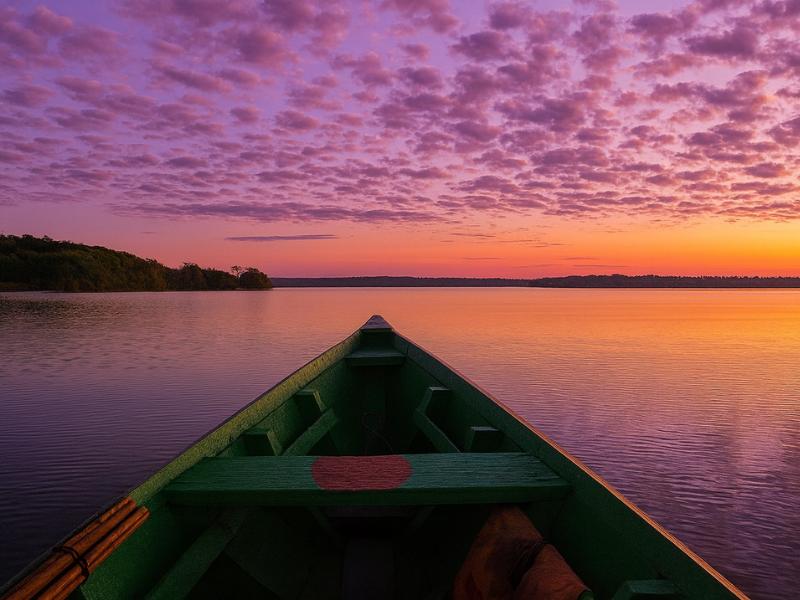
This is where the Amazon experience transforms from “adequate” to “complete” for most first-time visitors.
Realistic 5-Day/4-Night Itinerary:
Day 1 (Arrival): Same as 3-day version – transfers, arrival, orientation, evening activities (3-4 hours jungle time)
Day 2 (First Full Day – Adjustment):
- 5:30am-9:30am: Dawn rainforest hike exploring primary trails
- 10am-3pm: Breakfast, rest, lunch, siesta
- 4-6:30pm: Canoe trip through narrow channels and flooded forest areas
- 7pm: Dinner
- 8-9:30pm: Night caiman spotting
Day 2 Amazon Time: 7-9 hours Body Status: Still adjusting to heat/humidity but improving
Day 3 (Second Full Day – Confidence Building):
- 5:30am-10am: Extended forest trek reaching more remote area (4+ hour hike to less disturbed forest)
- 10am-3pm: Breakfast, free time, lunch, siesta
- 3:30-6:30pm: Indigenous community visit or fishing expedition
- 7pm: Dinner
- Evening: Free (rest, socializing, recovering from long morning hike)
Day 3 Amazon Time: 7-9 hours Body Status: Acclimated to conditions, moving better, spotting wildlife yourself
Day 4 (Third Full Day – Deep Immersion):
- 5:30am-9am: Canopy tower visit and bird watching (different forest layer exposure)
- 10am-12:30pm: Survival skills demonstration (finding water, building shelter, making fire)
- 12:30pm-3pm: Lunch, siesta
- 3:30-7pm: Extended canoe exploration to remote oxbow lake (3+ hours, swimming opportunity if available)
- 7pm: Dinner
- 8-9pm: Final night walk or free evening
Day 4 Amazon Time: 8-10 hours Body Status: Fully acclimated, forest rhythms feel natural, confidence high
Day 5 (Departure Morning):
- 5:30-7:30am: Final dawn excursion (short walk or canoe based on timing)
- 8am: Breakfast
- 9am: Checkout
- 9:30am-1pm: Return transfer
- 1-2pm: Arrive Manaus
Day 5 Amazon Time: 0-2 hours
Total 5-Day Experience:
- Actual jungle time: 26-36 hours activities across five days
- Full activity days: 3 (days 2, 3, 4)
- Dawn excursions: 3-4 (multiple attempts at prime wildlife viewing)
- Wildlife encounters: Multiple monkey species reliably (80-90%), dolphins daily, diverse birds including toucans and macaws (90%+), caimans possible on night outings, sloths 50-60% probability, capybaras possible 40-50%, extensive insects
- Ecosystem understanding: Comprehensive – you understand forest layers, water systems, animal behaviors, ecological relationships
- Adjustment: Complete – body acclimated by day 3, remaining days comfortable
- Weather buffer: If one day storms, two other full days provide backup
- Satisfaction: 90%+ of visitors report feeling experience was complete
What 5 Days Delivers That 3 Days Cannot:
Adjustment Period: Day 1-2 you’re miserable with heat and humidity. Sweating constantly, energy depleted quickly, slight headache from dehydration, mild discomfort. Day 3+ your body adapts – you’re still hot but it’s manageable, you’ve learned hydration needs, you move better. Three-day tours end just as adjustment begins. Five-day tours give you 2-3 comfortable days after adjustment.
Weather Buffer: With three full activity days (days 2-4), if Day 2 has heavy afternoon storms cancelling canoe trip, you have Days 3-4 for similar activities. Three-day tours with one full day have no buffer – bad weather that day means minimal experience.
Wildlife Repetition: Multiple dawn excursions (3-4 attempts) dramatically improve odds of seeing various species. First dawn hike you see squirrel monkeys. Second dawn you spot howler monkeys. Third dawn a sloth appears. Each excursion adds species to your list. One or two dawn attempts (3-day tours) leave more to chance.
Pattern Recognition: By day 3-4, you’re starting to identify bird calls yourself, recognize monkey vocalizations, understand where to look for sloths, notice subtle signs guides respond to. This learning requires repetition. Three days provides exposure; five days provides education.
Rhythm Shift: The Amazon has a pace – early morning activity, midday heat rest, afternoon activity, evening relaxation. By day 3-4 this feels natural. You’re not fighting it anymore; you’re flowing with it. Your stress from city life dissipates. Three days barely introduces this rhythm before you’re back in Manaus traffic.
Complete Satisfaction: The psychological difference is significant. Three-day visitors frequently express “I wish I’d stayed longer.” Five-day visitors consistently report “That was perfect” or “I’m satisfied but could have done one more day.” The completeness feeling matters for trip satisfaction.
Most people base themselves in Manaus. Here’s our full rundown of Brazilian Amazon tours from Manaus so you know what’s actually available.
Table: 3-Day vs 5-Day Amazon Tours – Complete Comparison
| Factor | 3-Day/2-Night | 5-Day/4-Night | Winner | Why It Matters |
|---|---|---|---|---|
| Total Cost | $350-700 mid-range | $1,000-1,800 mid-range | 3-Day (cheaper) | Budget constraint for some travelers |
| Cost Per Jungle Day | $280-560 per full day (1 full day) | $333-600 per full day (3 full days) | 5-Day (better value) | More experience per dollar spent |
| Actual Jungle Time | 10-14 hours activities | 26-36 hours activities | 5-Day (2.5x more) | Core experience measurement |
| Full Activity Days | 1 day | 3 days | 5-Day (3x more) | Days that actually matter |
| Dawn Excursions | 1-2 attempts | 3-4 attempts | 5-Day (double) | Prime wildlife viewing windows |
| Wildlife Diversity | Common species, some variety | Extensive diversity, multiple encounters per species | 5-Day | Species list and repetition |
| Adjustment to Conditions | Minimal (leaving when adapting) | Complete (2-3 comfortable days) | 5-Day | Physical comfort affects enjoyment |
| Weather Buffer | None (one full day) | Yes (three full days) | 5-Day | Risk management |
| Pattern Recognition | Basic exposure only | Developed understanding | 5-Day | Learning depth |
| Ecosystem Variety | Limited to immediate area | Multiple ecosystems covered | 5-Day | Comprehensive understanding |
| Satisfaction Level | “Wish I stayed longer” (70%) | “Complete experience” (90%) | 5-Day | Trip success feeling |
| Rhythm Adjustment | Never achieves natural flow | Reaches comfortable rhythm day 3+ | 5-Day | Psychological benefit |
| Photography Opportunities | Limited attempts | Multiple opportunities for shots | 5-Day | Better photo odds |
| Value Rating Overall | Fair (adequate for constraints) | Excellent (optimal balance) | 5-Day | Best investment-to-outcome |
The data consistently shows 5-day tours provide dramatically better value despite higher absolute cost – you’re paying 40-60% more for 80-150% more actual experience time and quality.
Recommended tours by duration
Amazon Jungle Tour: Overnight Rainforest Experience
A 48-hour trip from Manaus with one night in the forest.
Amazon Jungle Tour: 3-Day Wildlife, Culture & Pink Dolphins Adventure
A 72-hour wildlife, culture, and pink-dolphin itinerary from Manaus.
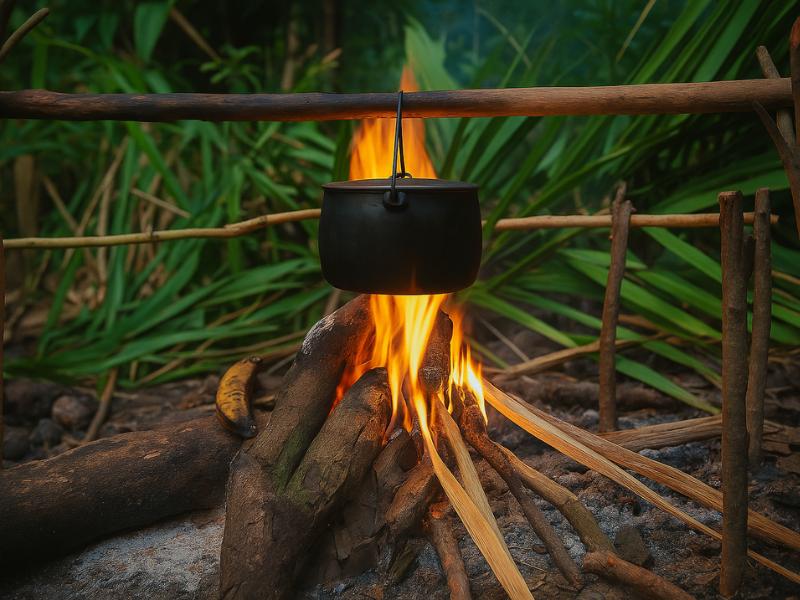
Amazon Kayak Expedition: 4 Days/3 Nights
An 84-hour kayak expedition from Manaus, listed as 4 days and 3 nights.
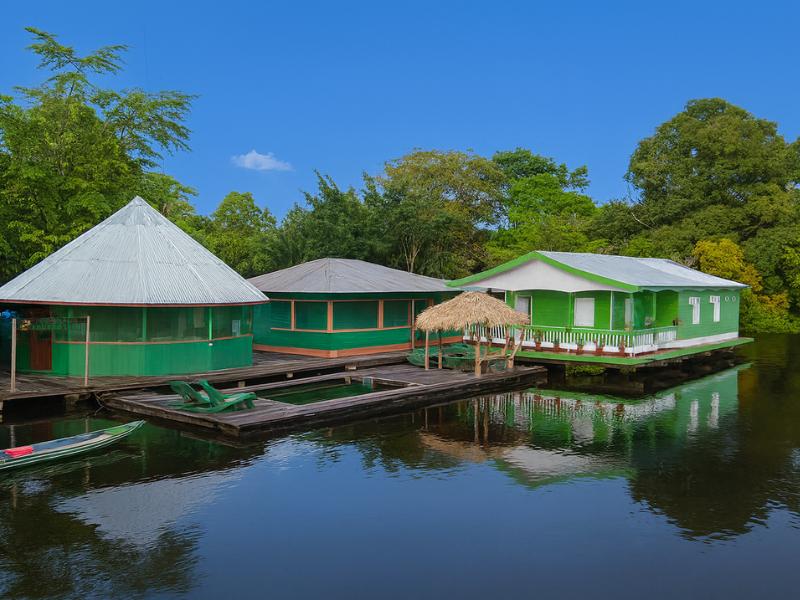
Tapiri Floating Lodge: Multi-Day Amazon Experience from Manaus
A 120-hour stay based at Tapiri Floating Lodge, departing from Manaus.
How Does Cost-Per-Actual-Experience Compare Across Durations?
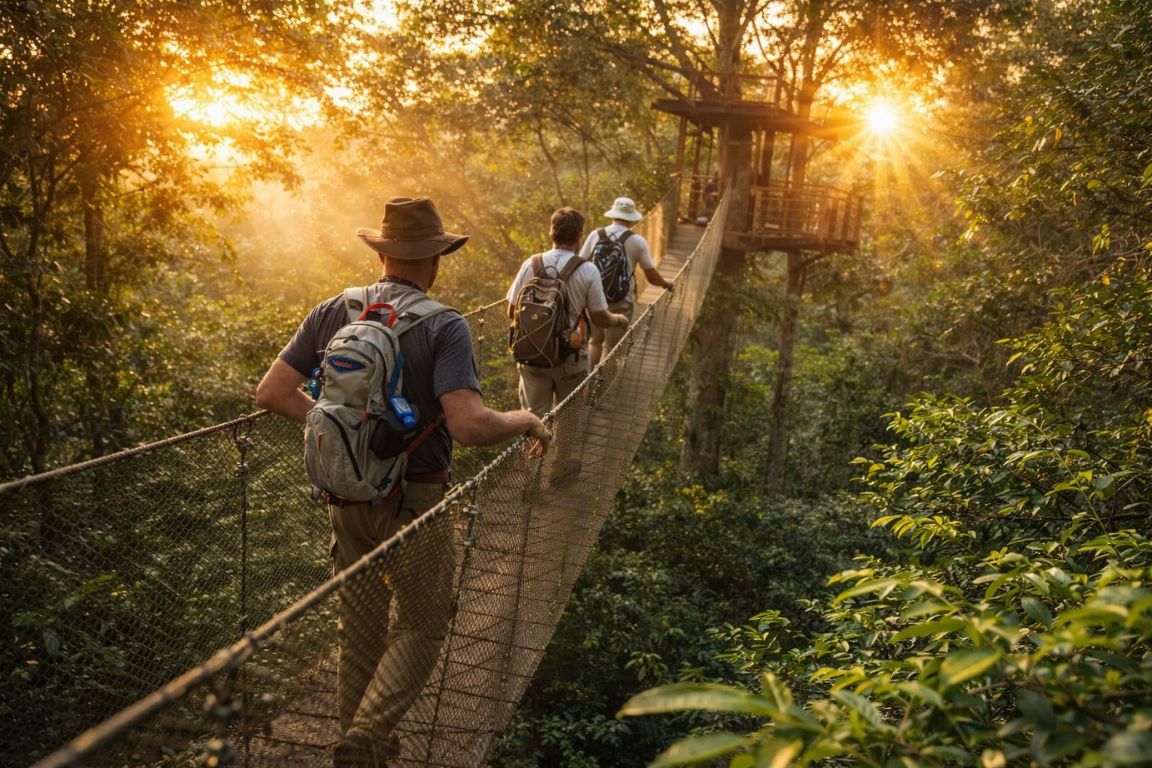
Let’s break down the economics honestly:
1-Day Tour:
- Cost: $75 average
- Actual Amazon time: 4 hours (removing transit/lunch)
- Cost per hour: $18.75
- Overnight immersion: $0 (doesn’t exist)
- Dawn wildlife viewing: $0 (doesn’t happen)
- Value rating: 1/10 – waste of money
3-Day/2-Night Tour:
- Cost: $550 average (budget-to-mid-range)
- Actual Amazon time: 12 hours (realistic activities excluding rest/meals)
- Cost per hour: $45.83
- Full activity days: 1
- Dawn excursions: 1-2
- Value rating: 6/10 – adequate but expensive per experience hour
5-Day/4-Night Tour:
- Cost: $1,400 average (mid-range quality)
- Actual Amazon time: 30 hours (realistic activities)
- Cost per hour: $46.67
- Full activity days: 3
- Dawn excursions: 3-4
- Value rating: 9/10 – optimal balance
The Surprising Finding: Cost per activity hour is nearly identical between 3-day ($45.83) and 5-day ($46.67) tours. But the 5-day provides:
- 2.5x total activity time (30 vs 12 hours)
- 3x full days (3 vs 1)
- 2x dawn excursions (4 vs 2)
- Complete adjustment (vs minimal)
- Weather buffers (vs none)
You’re paying 40-60% more absolute dollars ($1,400 vs $550) but receiving 80-150% more valuable experience time. The marginal cost per additional day decreases because fixed costs (international flights, domestic flights, gear, insurance) remain constant while variable costs (lodge nights) add incrementally.
Budget Breakdown Example (5-Day vs 3-Day):
Fixed Costs (Same for Both):
- International flights: $1,000
- Domestic flights (São Paulo-Manaus): $300
- Manaus hotels (1-2 nights): $150
- Travel insurance: $100
- Gear/preparation: $200
- Total fixed: $1,750
Variable Costs:
- 3-day tour: $550 (2 lodge nights)
- 5-day tour: $1,400 (4 lodge nights)
- Difference: $850
Total Trip Cost:
- 3-day trip: $2,300
- 5-day trip: $3,150
- Difference: $850 (37% more)
Experience Difference:
- 3-day: 1 full day, 12 hours activities
- 5-day: 3 full days, 30 hours activities
- Improvement: 200% more full days, 150% more activity time
The ROI: Spending 37% more ($850) delivers 150-200% more experience. That’s exceptional return on investment. The additional $850 is financing two extra full activity days – essentially $425 per additional full Amazon day, which is reasonable given what lodge nights cost.
When Should You Choose Each Duration?
Choose 1-Day For A Focused Introduction: Seriously, don’t. If you only have one day, explore Manaus itself or save the Amazon for a future trip when you have proper time. One-day “tours” are tourist traps providing no authentic experience.
Choose 3-Day If:
- Maximum 3-4 days total time available (including travel)
- Extremely budget-constrained (cannot afford extra $800-1,000)
- Testing interest in Amazon before committing to future longer trip
- Adding Amazon to packed Brazil itinerary where every day matters for other destinations
- Physically uncertain if you can tolerate heat/humidity for extended period
Accept 3-Day Limitations:
- Rushed feeling throughout
- Just one solid day
- Wishing you’d stayed longer
- Minimal adjustment time
- No weather buffer
- Limited wildlife repetition
Choose 5-Day If:
- 5-7 days available for Amazon component
- Standard budget flexibility ($1,000-2,000 per person)
- Want complete first-time Amazon experience
- Prioritizing quality over cost savings
- Interested in thorough wildlife encounters
- Seeking genuine immersion and rhythm adjustment
5-Day Delivers:
- Complete satisfaction for 90%+ of visitors
- Three full activity days providing depth
- Proper adjustment and comfort
- Weather buffers ensuring experience quality
- Multiple wildlife encounters per species
- Learning depth beyond surface exposure
Choose 6-7 Days If:
- Serious wildlife photographer needing multiple dawn attempts
- Return visitor wanting deeper than first-time introduction
- Extreme nature enthusiast comfortable with jungle conditions
- Have time and budget for extended immersion
- Willing to accept jungle fatigue around day 7-8
Don’t Choose More Than 7 Days Unless:
- Professional photographer on assignment
- Researcher on specific project
- Extreme enthusiast specifically drawn to week-plus wilderness
- Combining multiple lodges in different regions (switching locations maintains interest)
Most general tourists experience jungle fatigue (heat, humidity, limited connectivity, repetitive meals, constant sweat) by day 7-8. Six to seven days works for enthusiasts; beyond that becomes niche.
Planning the flow of your trip? This Brazilian Amazon rainforest itinerary shows you how to combine tours, travel days, and downtime without burning out.
Table: Which Duration Suits Your Situation?
| Your Situation | 1-Day | 3-Day | 5-Day | 6-7 Day | Reasoning |
|---|---|---|---|---|---|
| First-Time Amazon Visitor | Never | Minimum viable | OPTIMAL | Overkill | 5-day provides complete intro without overstay |
| Budget Under $2,500 Total | Never | Accept if necessary | Stretch if possible | No | Budget constraint valid reasoning |
| Only 3-4 Days Available | Never | Only choice | Impossible | Impossible | Time constraint forces hand |
| Testing Amazon Interest | Never | Maybe | Better test | No | 3-day inadequate test; 5-day shows reality |
| Manaus Layover (10 hours) | Skip it | Impossible | Impossible | Impossible | Explore Manaus city instead |
| Family with Young Kids | Never | Risky (kids might hate) | Test tolerance | Too long | 5-day allows assessment without over-commitment |
| Serious Wildlife Photographer | Never | No | Starting point | OPTIMAL | Need multiple dawn attempts for shots |
| Return Visitor | Never | No | Depends on goals | Maybe | Returning suggests 5-7 day commitment |
| Combining with Other Brazil Destinations | Never | Maybe | Better but tight | No | Allocate 5 days if Amazon is priority |
| Budget Over $4,000, Time Flexible | Never | No | Good | Try 6-7 | Resources allow optimal experience |
| Heat/Humidity Uncertain Tolerance | Never | Test (risky) | Better test | Too risky | 5-day allows early exit if miserable |
| Older Travelers (65+) | Never | Too rushed | OPTIMAL | Possibly too much | 5-day allows proper pace |
What Do Tour Operators Actually Recommend (And Why)?
What Operators Advertise Most Heavily:
- 3-day tours: Featured prominently (good profit margin, appeals to budget-conscious, easy sell)
- 4-day tours: Middle ground (compromise duration)
- 5-day tours: Highlighted as “recommended” (better experience, higher revenue per guest)
What Guides Privately Recommend: Most experienced guides, when asked off-record, say: “Five to six days minimum if you want proper experience. Three days is too rushed – guests are just adjusting when they leave. We see it constantly.”
Why Operators Still Offer 3-Day:
- Market demand exists (budget-constrained travelers)
- Better than nothing (adequate introduction)
- Gateway to return visits (guests wanting more book longer second trips)
- Competitive necessity (if they don’t offer it, competitors capture that market segment)
What Operators Wish They Could Tell Everyone: “Skip one-day tours completely – they’re worthless. Accept that three days is minimum viable but rushed. Target five to six days for actually complete experience. If you can only do three days, do it, but understand you’re getting introduction not immersion.”
The Sales Reality: Tour operators make more absolute revenue from 5-day bookings ($1,400 vs $550 per guest) but also work harder to convince price-sensitive travelers that extra investment is worthwhile. Three-day tours sell themselves on price; five-day tours require convincing guests the value justifies cost.
Honest operators emphasize value-per-day showing 5-day provides better experience per dollar despite higher absolute cost. Less ethical operators push whatever duration maximizes their commission without regarding guest satisfaction.
Trying to figure out which operator to go with? Our guide to the best Amazon jungle tours shows you exactly what sets each one apart.
FAQs
Is a 3-day Amazon tour enough or should I book 5 days? Three days (2 nights) is minimum viable providing one full activity day, basic wildlife encounters, and surface introduction, but 70% of visitors wish they’d stayed longer. Five days (4 nights) provides three full activity days, complete adjustment to conditions, weather buffers, comprehensive wildlife encounters, and 90% satisfaction rate. The additional $600-1,000 cost (about 40-60% more) delivers 150-200% more actual experience time and quality. If remotely possible, book 5 days – the value improvement dramatically outweighs moderate price increase. Accept 3 days only if genuinely time or budget constrained, understanding limitations. When planning Brazilian Amazon tours, duration selection is most impactful decision after location choice.
Are 1-day Amazon tours worth it or complete waste of money? Complete waste of money – 1-day tours ($50-100) provide zero authentic rainforest experience. You spend 8-10 hours total including transfers seeing Meeting of Waters from boat (mildly interesting but not “jungle”), walking maintained tourist trail in heavily disturbed forest 30km from Manaus (no wildlife beyond tour-habituated species), and returning to Manaus having experienced Amazon’s edges not its heart. You miss: overnight forest sounds, dawn wildlife excursions (60-70% of mammal sightings happen 5:30-7:30am when day-tourists are at hotels), genuine immersion, and any wilderness feeling. If you only have one day, explore Manaus city instead or save Amazon for future trip with proper time. Compare the actual day itinerary with what you want to experience.
What’s the actual cost difference between 3-day and 5-day Amazon tours? Three-day tours cost $350-700 ($550 average mid-range), five-day tours cost $1,000-1,800 ($1,400 average), representing $600-1,000 difference (40-60% more absolute cost). However, this extra investment delivers: 2.5x total activity time (30 vs 12 hours), 3x full days (3 vs 1), double dawn excursions (4 vs 2), complete adjustment versus minimal, and weather buffers. Cost per actual experience hour is nearly identical ($46-47/hour) but 5-day spreads across far more hours. When considering total trip cost including international flights ($1,000), domestic flights ($300), and other fixed expenses, the tour price difference becomes smaller percentage of total – $3,150 vs $2,300 total trip (37% more for 150% more experience).
Can I see the same wildlife on 3-day tour as 5-day tour? Possibly but unlikely – wildlife viewing relies partially on luck requiring multiple attempts. Three-day tours provide 1-2 dawn excursions (prime mammal hours); five-day tours provide 3-4 attempts. Each dawn attempt adds species to your list and increases odds of spotting uncommon animals like sloths (40-60% probability requires multiple looks). Common species (monkeys, dolphins, caimans, common birds) appear reliably on both durations. Uncommon species (sloths, capybaras, anteaters, rare birds) require persistence and patience 3-day tours lack time for. Five-day visitors report 40-60% more species diversity and substantially more total wildlife encounters through repetition and multiple attempts.
What’s the optimal duration for first-time Amazon visitors? Five to six days (4-5 nights) represents optimal sweet spot for 90% of first-time visitors providing: three full activity days delivering comprehensive experience, proper adjustment period (first 24-36 hours are brutal, then comfortable), weather buffers ensuring quality regardless of storms, multiple dawn wildlife attempts, ecosystem understanding beyond surface level, and satisfaction feeling where trip was complete. Four days (3 nights) works as bare minimum if truly time-constrained. Seven-plus days risks jungle fatigue (heat, humidity, connectivity absence, repetitive meals) for general tourists though benefits serious photographers and enthusiasts. Taking your first Amazon rainforest tour, allocate 5-6 days if remotely possible.
Do tour operators try to upsell longer durations unnecessarily? Not typically – honest operators recognize 3-day tours deliver adequate (though rushed) experiences for genuinely time-constrained travelers. However, they do emphasize (correctly) that 5-day tours provide dramatically better value per dollar despite higher absolute cost. The upsell from 3 to 5 days is legitimate value improvement, not artificial profit-seeking. Upselling from 5 to 7+ days can be questionable unless visitor is serious photographer/enthusiast – general tourists often experience jungle fatigue by day 7-8. The pattern: 1-to-3 day upsell is critical (1 day is worthless), 3-to-5 day upsell is valuable (substantial improvement), 5-to-7 day upsell is situational (depends on traveler type).
Should families with children book 3-day or 5-day Amazon tours? Five days is safer bet (paradoxically) – allows assessment of children’s tolerance while providing enough time to justify the journey if kids enjoy it. Three-day risk: if kids hate heat/humidity/insects (common with children under 10), you’ve invested in full trip for minimal experience time. If they love it, you wish you’d stayed longer. Five days provides: initial discomfort assessment (day 1-2), adjustment if they’re tolerating it (day 3), and enjoyment if they’ve acclimated (day 4). Option to modify activities for kid-friendly alternatives (more swimming, shorter hikes, fishing focus). Most families report 5 days worked better than anticipated 3-day “safe” choice because adjustment time was critical for children’s comfort.
What happens if weather ruins a day on 3-day vs 5-day tours? Three-day tours with one full activity day (day 2) have zero weather buffer – if heavy storms hit that day cancelling afternoon canoe trip or limiting morning hike, you’ve lost 40-60% of your experience with no backup. Five-day tours with three full days (days 2-4) have substantial buffer – storms affecting one day still leave two other full days providing complete activities. Lodges modify schedules around weather (hiking when dry, indoor activities during storms) but severe weather can prevent certain activities entirely. The three-day weather gamble is high risk; five-day buffer is risk management. This alone justifies 5-day preference for travelers investing $2,000-3,000 total trip cost.
Glossary
Full Activity Day: Complete 24-hour period at lodge with morning excursion (3-4 hours), afternoon excursion (2-3 hours), and evening/night activity (1-2 hours) providing 6-10 hours actual Amazon experiences – excludes arrival and departure days dominated by transfers.
Dawn Excursion: Early morning activity starting 5:30-6am during prime wildlife hours (5:30-7:30am) when 60-70% of diurnal mammal encounters occur due to cooler temperatures and animal feeding activity – critical for wildlife viewing success.
Jungle Fatigue: Physical and mental exhaustion setting in around day 7-8 for general tourists caused by constant heat (30-35°C), extreme humidity (80-90%), limited connectivity (no internet/phone), repetitive meals, and continuous sweating – signals optimal trip length has been reached.
Adjustment Period: First 24-36 hours where body adapts to extreme Amazon conditions (heat, humidity, changed schedule, new foods) – characterized by energy depletion, constant sweating, mild dehydration headaches, and general discomfort before acclimation occurs.
Weather Buffer: Having multiple full activity days so severe weather affecting one day doesn’t destroy entire trip experience – three-day tours lack buffer (one full day only), five-day tours provide substantial buffer (three full days).
Cost Per Jungle Day: Total tour price divided by actual full activity days (not total calendar days) revealing true value – three-day tours cost more per full day ($280-560) than five-day tours ($333-600) despite lower absolute price.
Pattern Recognition: Learned ability to spot wildlife independently (identifying bird calls, recognizing monkey vocalizations, knowing where to look for sloths) requiring repetition across multiple excursions – develops after 3+ days but absent in shorter durations.
Minimum Viable Duration: Shortest trip length providing meaningful Amazon experience rather than surface glimpse – established as 3 days (2 nights) for bare adequacy, though 5 days (4 nights) optimal for completeness.
Tourist Zone: Forest area within 30-60km of Manaus characterized by heavy disturbance from decades of hunting, fishing, and tourism – accessible on day trips and short tours but providing minimal authentic wildlife encounters compared to remote areas 100km+ from cities.
Rhythm Adjustment: Psychological adaptation to Amazon’s natural pace (dawn activity, midday heat rest, afternoon activity, evening relaxation) replacing city stress patterns – typically occurs by day 3-4 on extended trips, never achieved on brief visits.
Written by a Brazilian Amazon specialist with extensive experience comparing actual visitor outcomes across different tour durations, understanding the mathematics of cost-per-experience-hour revealing 5-day tours provide superior value despite higher absolute prices, relationships with tour operators and guides providing candid assessment that 3-day tours feel rushed with 70% of guests wishing they’d stayed longer while 5-day tours achieve 90% satisfaction rates, and commitment to honest guidance that 1-day tours are limited-duration introductions providing zero authentic experience, 3-day tours represent bare minimum adequate for genuinely time-constrained travelers, and 5-6 day tours optimize the investment-to-outcome ratio before jungle fatigue diminishes returns around day 7-8 for general tourists. Date: December 29, 2025.