How Many Days Do You Need in the Brazilian Amazon?
A day or two can introduce the river and forest; a longer stay adds nights, repeated excursions and more flexibility. Count Manaus arrival and return buffers separately from the tour’s named duration.
Last updated: March 10, 2026
Use your available nights to narrow the itinerary. Explore Three-Day Amazon Wildlife And Culture Adventure ↗
Planning note: price ranges, sample schedules and percentage comparisons below are illustrative editorial estimates, not live quotes or measured predictions. The linked itineraries state their own duration, location, inclusions and restrictions; wildlife sightings are never guaranteed.
Why Is 4 Days the Absolute Minimum for the Brazilian Amazon?
Let’s walk through what actually happens on a “short” Amazon trip to understand why anything less than 4 days fails.
Day 1 Reality: You fly into Manaus (likely arriving 10am-2pm if connecting domestically). Lodge pickup happens at scheduled time coordinating with other arriving guests (not necessarily your exact arrival time – you might wait 1-3 hours). Transfer to port takes 20-40 minutes through Manaus traffic. Boat transfer to lodge runs 1-6 hours depending on lodge distance (30km lodges = 1.5 hours, 150km lodges = 5-6 hours).
You arrive at lodge late afternoon (3-5pm) or evening (6-8pm if distant lodge). Staff shows your room, explains facilities, maybe quick orientation walk. Dinner. Perhaps one evening activity (night boat spotting caimans, maybe 1 hour). Bed by 9-10pm exhausted from travel, heat, humidity adjustment.
Total Day 1 Amazon Experience: 1-2 hours maximum, mostly administrative (settling in, orientation). This isn’t a jungle day – it’s a travel day that happens to end in the jungle.
Day 2-3: First Full Days These deliver actual Amazon experience. Dawn wake-up (5:30am), breakfast, morning excursion (3-4 hours – rainforest hike or canoe trip). Return for lunch and midday rest (too hot for activities 12-3pm anyway). Afternoon excursion (2-3 hours – different ecosystem or activity). Dinner. Night excursion (1-2 hours – spotlight for nocturnal wildlife). Sleep.
Two full days provide 12-16 hours of actual activities. You’re seeing wildlife, learning ecosystems, experiencing forest rhythms. These are the core Amazon days.
Day 4: Departure Reality If you’re lucky and timing works, you might squeeze in early morning activity (5:30-7:30am bird walk or quick canoe). Then breakfast, pack, checkout, and reverse the transfer process. You’re typically leaving lodge by 8-9am to reach Manaus by afternoon for evening flights or next destination.
Total Day 4 Amazon Experience: 0-2 hours, mostly travel returning to civilization.
Four-Day Total: Roughly 14-20 hours of actual Amazon activities. That’s barely enough to scratch the surface – you’ve done a few hikes, couple canoe trips, some wildlife spotting, but you haven’t gone deep. You’ve sampled, not immersed.
Three days cuts this already-minimal experience to 8-14 hours. Two days is pointless – you see essentially nothing beyond transfer boats and brief orientation. Don’t do it.
Not sure how long to go for? Check out our breakdown of 1-Day vs 3-Day vs 5-Day Brazilian Amazon tours – the differences are bigger than you’d think.
Table: What You Actually Experience by Trip Duration
| Duration | Travel Days | Full Activity Days | Real Jungle Time | Activities Completed | Wildlife Encounters | Ecosystem Understanding | Value Rating | Best For | Waste of Money If |
|---|---|---|---|---|---|---|---|---|---|
| 2 Days/1 Night | 2 (arrival, departure) | 0 | 3-6 hours | 2-3 activities (rushed) | Minimal (birds, maybe caiman) | None – surface glimpse only | Terrible | Emergency only | Actual goal is Amazon |
| 3 Days/2 Nights | 2 | 1 | 8-14 hours | 4-6 activities | Low (common species only) | Superficial introduction | Poor | Very constrained schedules | Primary vacation focus |
| 4 Days/3 Nights | 2 | 2 | 14-20 hours | 7-10 activities | Moderate (reliable birds/reptiles, possible mammals) | Basic ecosystem patterns | Fair-Good | Minimum viable, tight timing | Want thorough experience |
| 5 Days/4 Nights | 2 | 3 | 20-28 hours | 11-14 activities | Good (multiple primate species, dolphins, diverse birds) | Solid understanding, pattern recognition | Very Good | Optimal for most first-timers | Very limited budget/time |
| 6 Days/5 Nights | 2 | 4 | 26-36 hours | 15-18 activities | Very Good (repeated sightings, diverse species) | Deep understanding, ecosystem connections | Excellent | Photographers, enthusiasts | Need quick trip only |
| 7 Days/6 Nights | 2 | 5 | 32-44 hours | 19-23 activities | Excellent (rare species possible, pattern mastery) | Comprehensive ecosystem knowledge | Excellent | Serious wildlife focus, luxury time | Uncomfortable with extended jungle |
| 8-10 Days | 2 | 6-8 | 38-60+ hours | 24-35+ activities | Outstanding (persistence pays off, very rare possible) | Expert-level understanding | Good (diminishing returns) | Researchers, photographers, unlimited time | Looking for variety, comfort |
What Can You Realistically Accomplish in 5-6 Days in the Brazilian Amazon?
This duration hits the sweet spot for most travelers. Here’s what actually happens across 5 full days (6 days/5 nights total):
Day 1: Arrival, transfer, settle in, evening caiman spotting. (Same as before – travel day)
Day 2: First full day, high energy, everything feels novel.
- 5:30am: Wake-up, coffee
- 6am-9:30am: Dawn bird walk and rainforest hike (prime wildlife hours, guides showing medicinal plants, explaining forest ecology)
- 10am: Breakfast
- 10:30am-12pm: Free time (rest, swimming if lodge has pool, reading, wildlife watching from lodge deck)
- 12:30pm: Lunch
- 1-3pm: Siesta (too hot for activities, this is mandatory not optional – the heat is oppressive)
- 3:30-6pm: Canoe trip through flooded forest or narrow channels (different ecosystem than morning forest walk, aquatic birds, possibly dolphins)
- 7pm: Dinner
- 8-9:30pm: Night boat excursion (spotting caimans, nocturnal birds, fishing bats)
- 10pm: Exhausted sleep
Day 3: Rhythm established, body adjusting to heat/humidity.
- 5:30am-9am: Extended rainforest trek to more remote area (4 hour hike, deeper forest, better wildlife odds)
- After breakfast: Piranha fishing demonstration (tourist activity but culturally significant)
- Afternoon: Indigenous community visit (2-3 hours, cultural exchange, traditional crafts, some commercial aspect but educational)
- Evening: Sunset river dolphin watching
- Night: Free evening (socializing with other guests, reflecting, resting)
Day 4: Confidence building, starting to identify species yourself.
- 5:30am-9am: Canopy tower visit and bird watching (different forest level, specialized birds)
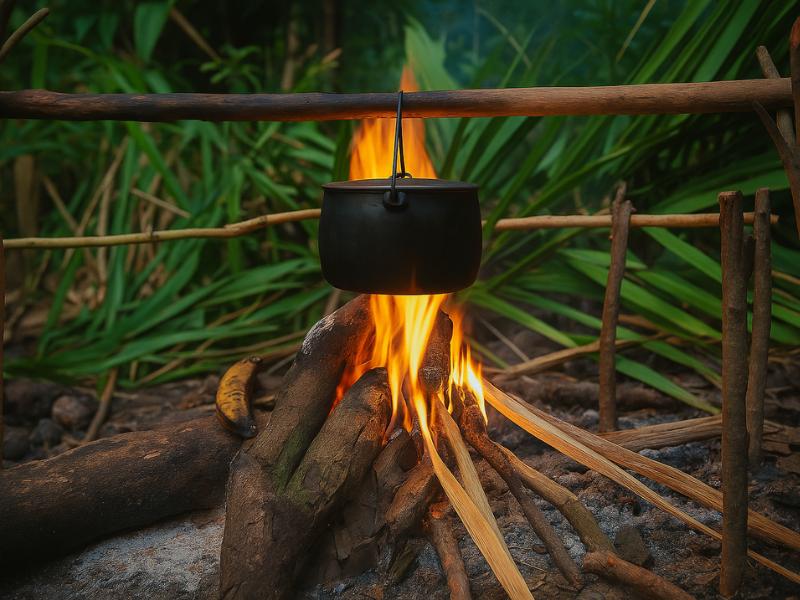
- Late morning: Survival skills demonstration (finding water, building shelter, making fire – educational not practical)
- Afternoon: Long canoe exploration to remote lake (3-4 hours, possibly camping overnight if advanced lodge)
- Evening: Return, dinner, night walk if not camping
Day 5: Deep immersion, forest rhythms feel natural.
- 5:30am-9am: Repeat favorite morning activity or try new trail (guides accommodate preferences by now)
- Late morning: Free time or optional fishing expedition
- Afternoon: Final activity of choice – revisit location where you saw something interesting, or try final new ecosystem
- Evening: Farewell dinner, maybe cultural presentation (local music, stories)
Day 6: Departure morning
- 5:30-7:30am: Last dawn excursion if timing allows (quick walk or canoe)
- Breakfast, pack, checkout, reverse transfer
What You’ve Accomplished:
- 15-20 different activities spanning all ecosystem types
- Multiple sightings of common species (recognition developing)
- Likely 1-3 memorable rare encounters (unique bird, mammal sighting, special moment)
- Genuine understanding of forest layers, water systems, wildlife patterns
- Body adjusted to heat/humidity (no longer miserable, just accepting)
- Mental shift from city stress to forest pace (significant psychological benefit)
- Enough repetition that patterns emerge (understanding why animals appear where/when)
This is complete Amazon experience without overstaying. You’ve seen what lodges offer, experienced variety, and gained legitimate rainforest knowledge. Five to six days delivers 80-90% of what’s possible without requiring 10+ day commitment.
We’ve got a full breakdown on how to plan a trip to the Brazilian Amazon tours if you want to know exactly what to book and when.
When Does More Time Actually Stop Adding Value in the Amazon?
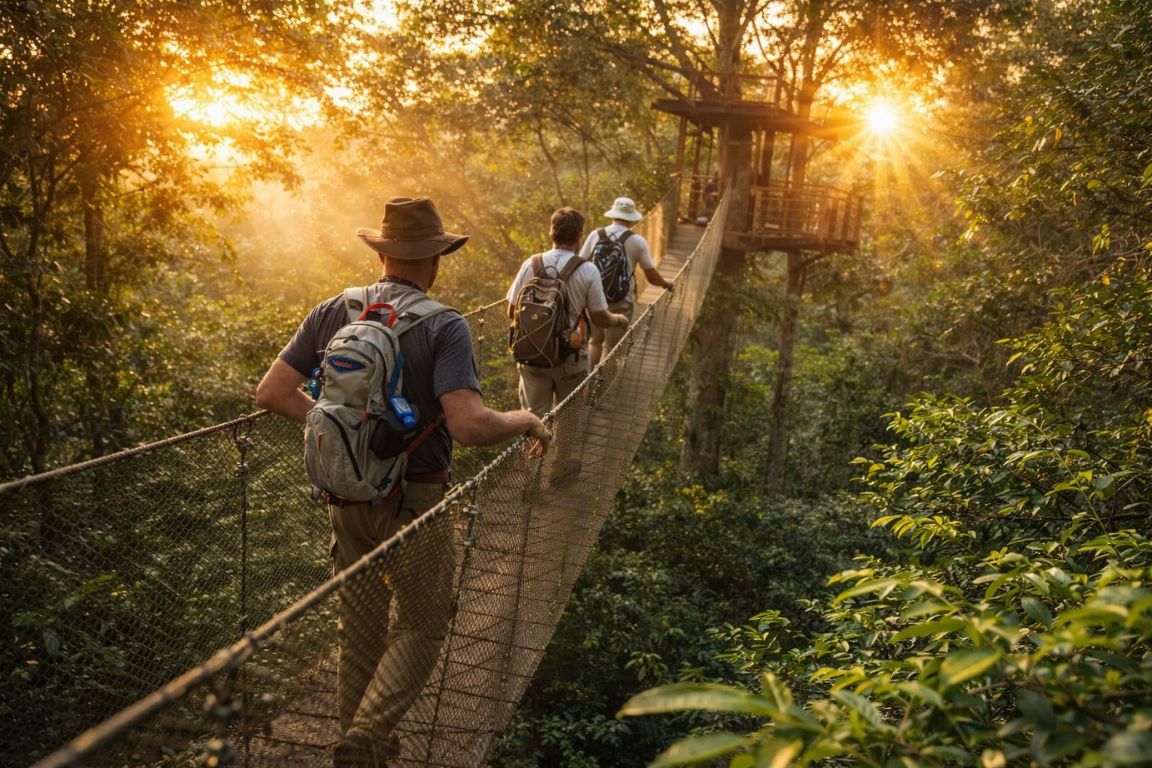
Jungle fatigue is real and sets in around day 7-8 for most people. Here’s what happens:
Physical Fatigue: The heat never stops. You’re sweating constantly, even sitting still. Clothes never fully dry (80-90% humidity). Sleep quality suffers (heat, unfamiliar sounds, basic beds, insects buzzing). By day 7, your body is tired of being perpetually damp and hot. The morning 5:30am wake-ups that felt adventurous day 2 feel brutal day 8.
Mental Repetition: Activities start repeating. You’ve done rainforest hike three times. You’ve canoed the same waterways. You’ve spotted caimans nightly. Unless you’re serious wildlife photographer needing that one rare shot, the marginal value of activity #25 is much lower than activity #5. Excitement gives way to “another bird” rather than “wow, a new species!”
Food Monotony: Lodge meals are functional but repetitive. Rice, beans, chicken or fish, local vegetables, fruit. Day 3 it’s fine. Day 8 you’re dreaming of variety. Some lodges excel at varied menus, others serve essentially the same rotation. Extended stays make this repetition wearing.
Social Dynamics: Most guests stay 4-6 days. On extended stays, you see turnover – people you bonded with leave, new groups arrive, you’re the “veteran” explaining everything to newcomers rather than discovering together. The social energy that made evenings fun dissipates.
Connectivity Absence: No internet, no phone, no news, limited communication. This is refreshing for 5-6 days. By day 8-9, many people feel disconnected anxiety. You want to check email, see family photos, know what’s happening in the world. The jungle isolation that was liberating becomes constraining.
The 7-8 Day Wall: This is when most non-photographers/researchers hit jungle fatigue. You’re ready for cold shower, air conditioning, internet, varied food, and different stimulation. Pushing to 10-14 days requires genuine passion for the ecosystem, professional reasons, or extreme comfort with discomfort.
Who Should Go 8-10+ Days:
- Wildlife photographers needing repeated dawn attempts for specific shots
- Researchers or students on projects
- People doing multi-lodge itineraries (changing locations every 3-4 days maintains novelty)
- Extreme nature enthusiasts who genuinely prefer jungle to civilization
- Travelers on extended South America trips where Amazon is one stop
Who Should Stop at 5-7 Days:
- First-time Amazon visitors
- General nature enthusiasts (not specialized photographers)
- Anyone valuing comfort at all
- Travelers wanting varied South America experience (not just Amazon)
- Families with children (kids hit jungle fatigue faster, around day 5-6)
The sweet spot is 5-6 days providing complete experience before fatigue sets in. Seven days works if you’re truly engaged. Eight plus becomes niche activity for specialized interests.
How Do Transfer Times Actually Affect Your Total Days Needed?
Transfer time is the hidden thief of Amazon trips. The lodge marketing says “4 days/3 nights” but doesn’t emphasize that you lose 1.5-2 full days to transfers.
Near Lodges (30-60km from Manaus):
- Transfer time: 1-2 hours each way by speedboat
- Day 1: Arrive Manaus noon, pickup 2pm, reach lodge 3:30pm, short evening activity possible
- Departure day: Leave lodge 8am, reach Manaus 10am, catch afternoon flights possible
- Transfer impact: Moderate – you lose half of day 1 and morning of last day, but recoverable
Mid-Distance Lodges (80-120km from Manaus):
- Transfer time: 3-4 hours each way
- Day 1: Arrive Manaus noon, pickup 2pm, reach lodge 5-6pm, maybe evening boat only
- Departure day: Leave lodge 7-8am, reach Manaus 11am-noon, afternoon flights tight
- Transfer impact: Significant – you lose most of day 1 and all morning last day
Remote Lodges (150-200km from Manaus):
- Transfer time: 5-6 hours each way (sometimes overnight by slow boat)
- Day 1: Arrive Manaus, possibly overnight in Manaus, morning departure, reach lodge afternoon/evening
- Departure day: Leave lodge dawn, reach Manaus afternoon, next-day flights realistic
- Transfer impact: Severe – you might need extra night in Manaus both arrival and departure
The Math: A 4-day/3-night package at near lodge (2 hours transfer) provides roughly 2.5 full jungle days. The same 4-day/3-night package at remote lodge (5 hours transfer) provides 1.5-2 full jungle days. You’re paying the same price for less actual Amazon time.
Strategic Planning:
- For 4-day trips: Choose lodges within 60km of Manaus (2 hours) to maximize actual jungle time
- For 5-6 day trips: Mid-distance lodges (80-120km) justify the transfer with multiple full days
- For 7+ day trips: Remote lodges (150km+) finally make sense – the transfer penalty amortizes across many days
- Always add buffer: Don’t book same-day departing flights from Manaus after lodge checkout – delays happen
Budget one full day for arrival (count it as travel day) and minimum half-day for departure. This is why 4 days is minimum and 5-6 optimal – you need enough days that transfer losses don’t dominate your trip.
If you’re flying into Manaus, check out our guide to Brazilian Amazon tours from Manaus – it’s the main hub with the most tour options.
Recommended tours by trip length
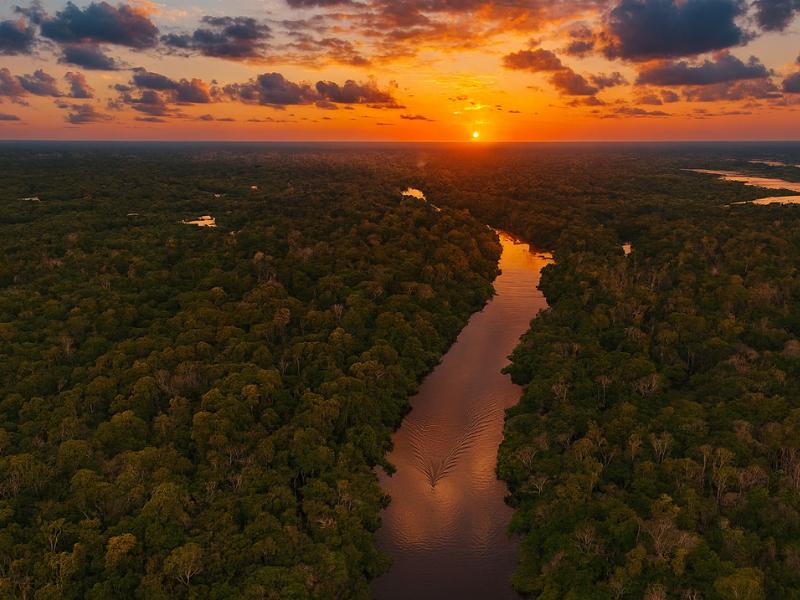
Amazon Jungle Tour: 3-Day Wildlife, Culture & Pink Dolphins Adventure
A 72-hour itinerary built around wildlife, a cultural visit, and pink river dolphins.
Amazon Kayak Expedition: 4 Days/3 Nights
Four days from Manaus paddling forest channels, with three nights of riverside camping and meals included.
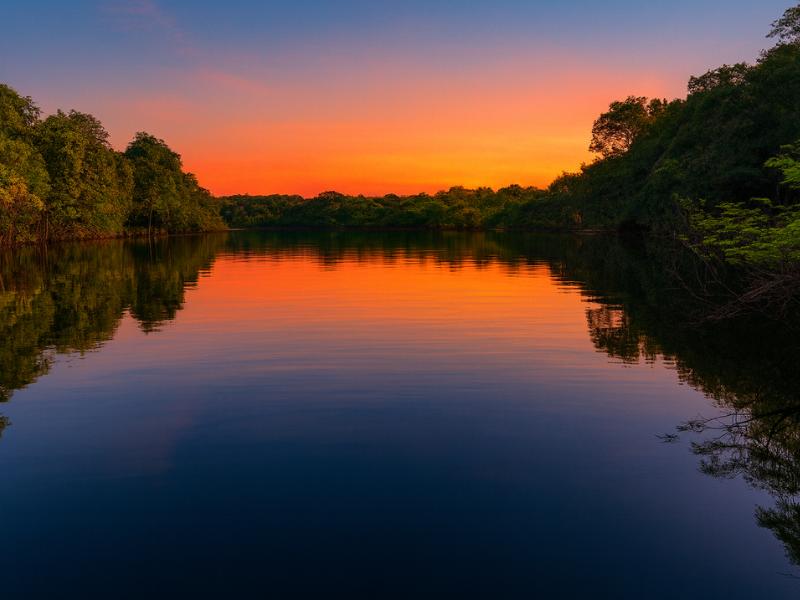
Amazon Jungle Tour: Multi-Day Survival Trip with Camping from Manaus
A 96-hour camping trip from Manaus focused on survival skills and time in the forest.
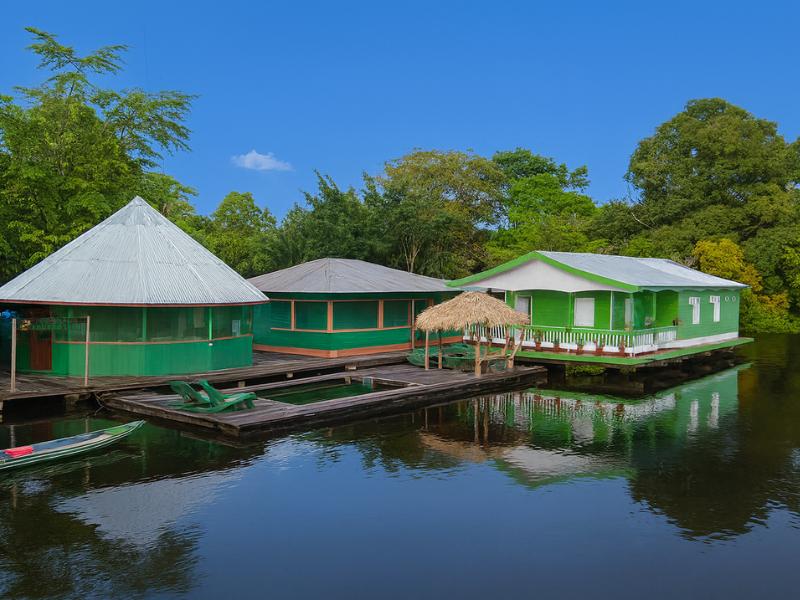
Tapiri Floating Lodge: Multi-Day Amazon Experience from Manaus
A 120-hour stay at a floating lodge, with transfers from Manaus.
Table: Brazilian Amazon Trip Duration by Traveler Type
| Traveler Type | Recommended Duration | Why This Duration | Activities Achieved | Likely Satisfaction | Budget Range (all-inclusive) |
|---|---|---|---|---|---|
| Very Time-Constrained | 4 days/3 nights (absolute minimum) | Can’t spare more time, better than skipping | 7-10 activities, basic immersion | Moderate (feel rushed, want more) | $800-1,200 per person |
| First-Time Visitor | 5-6 days/4-5 nights | Optimal balance, complete without fatigue | 15-20 activities, comprehensive | High (feels complete, proper immersion) | $1,000-2,000 per person |
| Wildlife Enthusiast | 6-7 days/5-6 nights | Multiple chances for sightings, patterns emerge | 19-25 activities, thorough ecosystem | Very High (deep understanding) | $1,200-2,400 per person |
| Wildlife Photographer | 7-10 days/6-9 nights | Repeated dawn attempts, rare species patience | 24-35+ activities, specialized focus | High (if sightings good), Moderate (if unlucky) | $1,400-3,600 per person |
| Family with Kids | 4-5 days/3-4 nights | Before kids hit jungle fatigue (day 5-6) | 11-18 activities, manageable pace | Moderate-High (depends on kid tolerance) | $3,200-6,400 family of 4 |
| Budget Backpacker | 4-5 days/3-4 nights | Maximize value, minimize cost per day | 11-18 activities, budget lodges/camps | High (if expectations realistic) | $400-800 per person (budget camps) |
| Luxury Traveler | 5-7 days/4-6 nights | Comfortable pace, quality over quantity | 15-25 activities, upscale lodges | Very High (comfort maintained) | $2,000-5,000+ per person |
| Researcher/Student | 10-14+ days | Project requirements, deep data collection | 35+ activities, specialized research | Variable (mission-dependent) | $2,000-4,500+ per person |
| Multi-Destination Traveler | 4-5 days/3-4 nights | Amazon is one stop of several | 11-18 activities, efficient sampling | High (if realistic expectations) | $800-1,600 per person |
| Return Visitor | 5-7 days/4-6 nights | Different season or deeper exploration | 15-25 activities, targeted interests | High (building on previous knowledge) | $1,000-2,400 per person |
What Does a Perfect 5-Day Amazon Itinerary Actually Look Like?
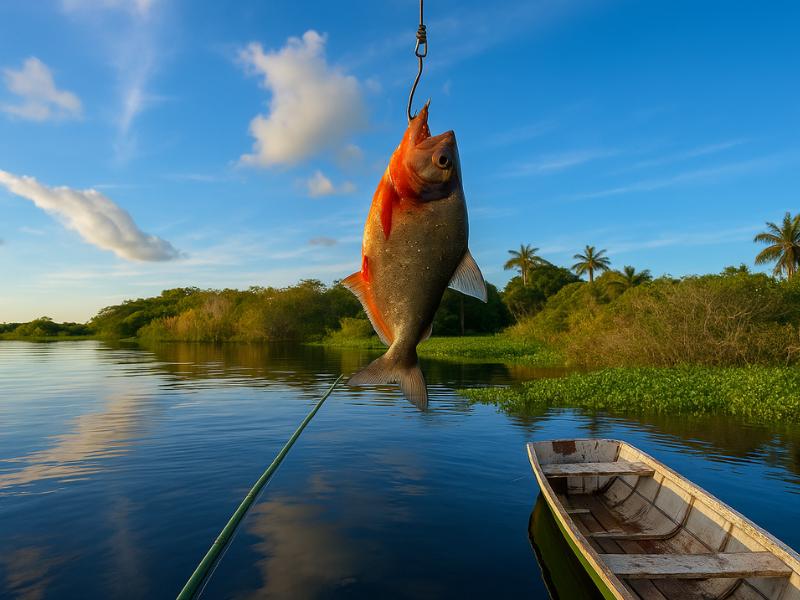
Here’s realistic day-by-day breakdown for optimal 5-day Brazilian Amazon tour (6 days/5 nights total):
Day 0 (Arrival Day in Manaus):
- Arrive Manaus afternoon
- Hotel near port (not lodge yet)
- Evening: Explore Manaus briefly (Teatro Amazonas exterior, dinner at local restaurant)
- Sleep in AC comfort (last comfortable night)
- Why separate arrival: De-couples your international flight timing from lodge transfer schedule, eliminates rushing
Day 1 (Transfer to Lodge):
- 8am: Breakfast at Manaus hotel
- 9am: Lodge pickup at hotel
- 9:30am: Reach port, meet guide and other guests
- 10am-1pm: Boat transfer to lodge (80-100km distance, 3 hours, scenic, guides pointing out features)
- 1pm: Arrive lodge, room assignment, orientation
- 1:30pm: Lunch
- 2-4pm: Rest, unpack, acclimatize to heat
- 4pm: Lodge tour, safety briefing, activity overview
- 5-6:30pm: Sunset boat tour on main river (first wildlife – birds, possibly dolphins)
- 7:30pm: Dinner, meet other guests
- 8:30pm: Night boat excursion (caiman spotting with flashlights, nocturnal sounds)
- 10pm: Sleep (exhausted from travel and heat adjustment)
Day 2 (First Full Jungle Day):
- 5:30am: Wake-up call, coffee available
- 6-9:30am: Dawn rainforest hike on maintained trail (3.5 hours, guides identifying plants, explaining medicinal uses, spotting wildlife, teaching jungle sounds)
- 10am: Breakfast (huge meal, you’re hungry from early activity)
- 10:30am-12:30pm: Free time (rest in hammock, wildlife watching from lodge deck, swimming, reading)
- 12:30pm: Lunch
- 1-3:30pm: Mandatory siesta (heat too oppressive for activities, everyone resting)
- 4-6:30pm: Canoe trip through narrow channels and flooded forest areas (silent paddling, different ecosystem than morning forest, aquatic birds, learning water systems)
- 7pm: Dinner
- 8-9:30pm: Piranha fishing demonstration and night spotting (catching small piranhas, cooking one if caught, looking for nocturnal wildlife)
- 10pm: Sleep
Day 3 (Confidence Building Day):
- 5:30am: Coffee
- 6-10am: Extended rainforest trek to remote area (4 hour hike, deeper forest, less disturbed, better wildlife odds, more challenging trail)
- 10:30am: Breakfast
- 11am-12pm: Indigenous community visit preparation (guide explaining etiquette, cultural context)
- 12:30pm: Lunch
- 1-3pm: Rest
- 3:30-6:30pm: Indigenous community visit (2-3 hours, meeting families, learning traditional practices, seeing crafts, some commercial element but educational, buying small handicrafts supports community)
- 7:30pm: Dinner
- Evening: Free (socializing with other guests, stargazing from deck, early sleep if tired)
Day 4 (Deep Immersion Day):
- 5:30am: Coffee
- 6-9am: Canopy tower visit and intensive bird watching (climbing 30m observation tower, viewing forest from canopy level, seeing specialized species, guide teaching bird identification)
- 10am: Breakfast
- 11am-12:30pm: Survival skills demonstration (finding water, building shelter, making fire, identifying edible plants, understanding forest resources – educational not survival training)
- 12:30pm: Lunch
- 1-3pm: Rest
- 3:30-7pm: Extended canoe exploration to remote oxbow lake (3.5 hours, possibly overnight camping at some advanced lodges, fishing for peacock bass, swimming in safe black water lake)
- 7:30pm: Dinner
- 8-9pm: Free evening (reflecting on trip, organizing photos, conversations)
Day 5 (Final Full Day – Choose Your Adventure):
- 5:30am: Coffee
- 6-9am: Repeat your favorite morning activity OR visit new trail you haven’t seen (guides accommodate by now, knowing your interests)
- 10am: Breakfast
- 10:30am-12pm: Free time or optional focused activity (serious fishing for enthusiasts, medicinal plant detailed walk, photography session)
- 12:30pm: Lunch
- 1-3pm: Rest
- 3:30-6:30pm: Final activity chosen based on weather, interests, and what you haven’t done (could be revisiting a location where you saw something interesting, or trying last new ecosystem)
- 7pm: Farewell dinner (lodge staff often makes special meal, cultural presentation possible)
- Evening: Final night boat or free time (relaxed, reflective)
Day 6 (Departure):
- 5:30-7:30am: Final dawn excursion IF transfer timing allows (quick bird walk or short canoe)
- 8am: Breakfast
- 9am: Checkout, pack
- 9:30am-12:30pm: Return boat transfer to Manaus
- 1pm: Arrive Manaus, transfer to airport or hotel
- Afternoon/evening: Depart Manaus or overnight (depending on flight schedules)
Total Experience:
- 20-24 actual Amazon activities
- 4.5 full jungle days (excluding transfers)
- Every ecosystem type visited
- Multiple wildlife encounters
- Cultural exchange included
- Physical challenge balanced with rest
- Complete understanding of forest systems
This is the ideal Amazon trip for 90% of first-time visitors.
We’ve created a detailed Brazilian Amazon rainforest itinerary based on what actually works – not just what looks good on paper.
How Does Budget Actually Change with Duration?
Longer stays aren’t proportionally more expensive because transfer costs stay fixed while per-night rates often decrease for extended stays.
Fixed Costs (Don’t Change with Duration):
- International flights: $600-1,400 (same whether 4 or 10 days)
- Domestic flights to/from Manaus: $180-350 (same)
- Manaus accommodation (1-2 nights): $60-240 (minimal change)
- Yellow fever vaccination: $0-50 (one-time)
- Travel insurance: $50-150 (minimally affected by 2-3 extra days)
- Gear purchases: $100-300 (one-time)
Variable Costs (Scale with Duration):
- Lodge nights: $200-400 per person per night all-inclusive (meals, activities, transfers)
- Tips: $10-15 per day per person (guides and staff)
- Manaus meals: $25-50 per day if extending Manaus stay
The Math for Different Durations:
4 Days/3 Nights:
- Fixed costs: $990-2,290
- Lodge (3 nights): $600-1,200
- Tips: $30-45
- Total: $1,620-3,535 per person
- Cost per jungle day: $540-1,178 (3 nights = ~2.5 jungle days)
5 Days/4 Nights:
- Fixed costs: $990-2,290 (same)
- Lodge (4 nights): $800-1,600
- Tips: $40-60
- Total: $1,830-3,950 per person
- Cost per jungle day: $509-1,098 (4 nights = ~3.6 jungle days)
6 Days/5 Nights:
- Fixed costs: $990-2,290
- Lodge (5 nights): $1,000-2,000
- Tips: $50-75
- Total: $2,040-4,365 per person
- Cost per jungle day: $453-969 (5 nights = ~4.5 jungle days)
7 Days/6 Nights:
- Fixed costs: $990-2,290
- Lodge (6 nights): $1,200-2,400
- Tips: $60-90
- Total: $2,250-4,780 per person
- Cost per jungle day: $409-870 (6 nights = ~5.5 jungle days)
The Pattern: Cost per actual jungle day drops as duration increases because you’re amortizing fixed costs across more days. Six to seven days provides best cost efficiency while maintaining engagement. Going from 4 to 6 days adds $420-830 total but delivers 80% more jungle time – excellent value.
Beyond 7 days, you’re paying $200-400 per additional night for diminishing marginal returns (unless you’re photographer/researcher with specific mission).
We’ve got a complete guide on where to stay in Brazilian Amazon tours that compares what you actually get for your money.
Table: Brazilian Amazon Cost Efficiency by Duration
| Duration | Total Cost per Person (mid-range) | Actual Jungle Days | Cost per Jungle Day | Value Rating | Best For | Skip If |
|---|---|---|---|---|---|---|
| 3 Days/2 Nights | $1,410-3,210 | ~1.5 days | $940-2,140 | Poor | Emergency only | Actual Amazon goal |
| 4 Days/3 Nights | $1,620-3,535 | ~2.5 days | $648-1,414 | Fair | Very tight schedules | Want thorough experience |
| 5 Days/4 Nights | $1,830-3,950 | ~3.6 days | $508-1,097 | Good | Optimal first-timer balance | Very limited budget/time |
| 6 Days/5 Nights | $2,040-4,365 | ~4.5 days | $453-970 | Very Good | Best cost efficiency | Need quick trip |
| 7 Days/6 Nights | $2,250-4,780 | ~5.5 days | $409-869 | Excellent | Maximum value before fatigue | Tight budget, 5 days sufficient |
| 8 Days/7 Nights | $2,460-5,195 | ~6.5 days | $378-799 | Good | Specialized interests | General nature enthusiasts |
| 10 Days/9 Nights | $2,880-5,025 | ~8.5 days | $339-752 | Moderate (fatigue factor) | Photographers, researchers only | Looking for varied experience |
The sweet spot is 6 days/5 nights – best cost per jungle day while maintaining optimal engagement before fatigue sets in.
Should You Split Time Between Multiple Lodges or Stay at One?
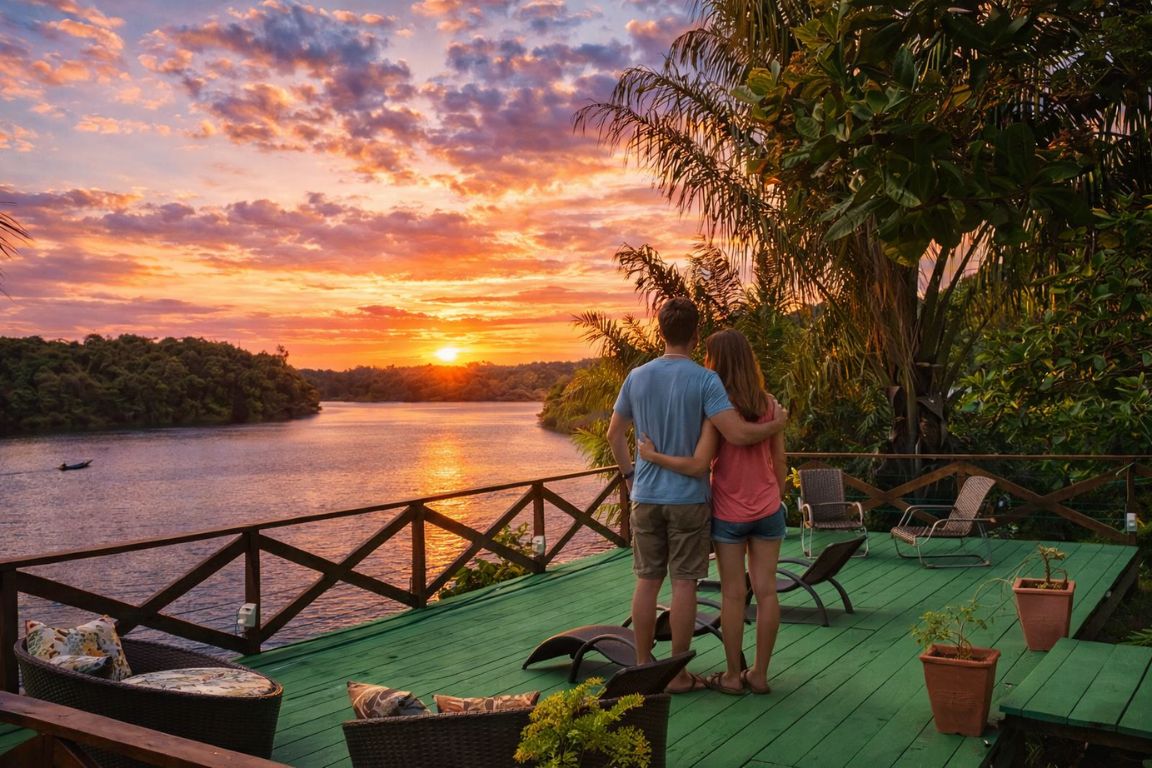 Single Lodge Advantages:
- No additional transfers (losing days to boat moves)
- Deeper familiarity with specific area (recognizing individual animals, understanding micro-ecosystems)
- Relationship building with guides (they learn your interests, customize activities)
- No packing/unpacking mid-trip
- Better rest quality (same bed throughout)
Multiple Lodge Advantages:
- Ecosystem variety (Rio Negro black water vs brown water rivers, várzea vs igapó forests)
- Different wildlife zones (one lodge strong on birds, another on primates)
- Novelty maintenance (prevents fatigue, each location feels fresh)
- Experiencing different lodge styles (comparing approaches, amenities, guides)
When to Use Multiple Lodges:
- 7+ day trips (enough time to justify the transfer, typically 3-4 days each location)
- Specific ecosystem interests (wanting to see both black water and white water systems)
- Luxury travelers on extended trips (lodge-hopping as curated experience)
- Return visitors already familiar with one area
When to Stay Single Lodge:
- 4-6 day trips (mid-trip transfer wastes precious time)
- First-time visitors (simplicity reduces stress and logistics)
- Deep wildlife photography (needs familiarity with specific locations for repeated dawn attempts)
- Budget travelers (additional transfers sometimes cost extra)
Typical Multi-Lodge Itinerary (8 days):
- Day 1: Manaus arrival
- Days 2-4: Lodge A (3 nights, black water Rio Negro ecosystem)
- Day 5: Transfer from Lodge A to Lodge B (5-8 hours including lodge checkout/checkin)
- Days 6-8: Lodge B (3 nights, várzea white water ecosystem)
- Day 9: Return to Manaus, depart
That mid-trip transfer (Day 5) loses most of a day. You’re only gaining value if the ecosystem difference significantly matters to you.
Recommendation: Single lodge for 4-6 days. Consider multiple lodges only for 8+ days when variety justifies the transfer cost.
If you’ve got the budget for it, our guide to luxury Brazilian Amazon jungle lodges compares what you actually get at different price points.
FAQs
Is 4 days enough for the Brazilian Amazon or do I need a week? Four days/3 nights is minimum viable providing 2.5 full jungle days and basic immersion, but feels rushed with no weather buffer. Five to six days/4-5 nights is optimal for most first-timers – complete experience without overstaying, costing $200-400 more total but delivering 80% more actual jungle time. A full week (7 days/6 nights) benefits serious wildlife enthusiasts and photographers needing repeated attempts, but general travelers often experience jungle fatigue by day 7. Take 5-6 days if possible; accept 4 days only if truly time-constrained.
Can you see the Amazon in 2-3 days or is it a waste of money? Two days is complete waste – you get 3-6 hours of actual activities, spending more time traveling than experiencing, for 70-80% of the cost of 4 days. Three days is barely viable only if you: (1) choose lodge very close to Manaus (1 hour transfer), (2) arrive Manaus early morning allowing same-day lodge transfer, (3) depart late afternoon allowing morning activity before checkout, and (4) understand you’re getting surface glimpse not real immersion. Better to skip Amazon entirely on short trips than attempt inadequate 2-3 days. Save it for when you have proper time.
How many days should first-time Amazon visitors spend in the jungle? Five to six days (4-5 lodge nights plus arrival/departure days) is optimal for first-timers. This provides: complete activity range (forest hikes, canoe trips, wildlife spotting, cultural visits), weather buffer (if one day rains heavily, you have backups), adjustment period (heat/humidity takes 24-36 hours to tolerate), and genuine immersion where forest rhythms replace city stress. Four days works if budget/time truly constrained, but you’ll wish you’d stayed longer. Seven plus days risks jungle fatigue for first-timers unaccustomed to continuous heat, humidity, and basic facilities.
What’s included in “all-inclusive” Brazilian Amazon lodge packages? All-inclusive typically covers: accommodation, all meals (breakfast, lunch, dinner), daily guided activities (usually 2-4 activities per full day), boat transfers between Manaus and lodge, and park entrance fees. NOT included: international flights, domestic flights to/from Manaus, Manaus hotel nights, tips for guides and staff ($10-15 per person per day recommended), alcoholic beverages beyond beer/wine with dinner (varies by lodge), specialty activities (fishing expeditions, overnight camping sometimes extra), and personal expenses. Always verify specific inclusions when booking – “all-inclusive” varies by operator.
Do longer Amazon trips cost proportionally more or do you save money? You save significantly on cost-per-jungle-day with longer stays because fixed costs (international flights $600-1,400, domestic flights $180-350, gear $100-300, insurance $50-150) stay constant while spreading across more days. Four days costs roughly $540-1,178 per actual jungle day; six days drops to $453-969 per jungle day – a 16-18% per-day savings despite paying more total. The sweet spot is 6-7 days providing best cost efficiency before jungle fatigue diminishes value. Beyond 7 days, you’re paying for diminishing returns unless you’re specialized photographer/researcher.
Should I book one long Amazon tour or split between multiple destinations? For first-time Amazon visitors with 5-6 days, book single lodge stay – multiple lodge transfers waste precious time and single-location immersion builds deeper understanding. For 8+ day trips, consider splitting between two lodges (3-4 nights each) for ecosystem variety and novelty maintenance, though mid-trip transfer loses most of a day. For extended South America trips (3-4 weeks), combine 5-6 day Amazon immersion with other Brazilian destinations (Iguazu Falls, Pantanal, Salvador) rather than attempting 2 weeks continuous jungle – variety prevents fatigue while covering more country.
How many days do wildlife photographers need in the Brazilian Amazon? Minimum 7 days/6 nights, ideally 8-10 days. Wildlife photography requires: repeated dawn excursions (5:30-7:30am prime light) attempting specific shots, patience waiting for behavior/positions, weather buffers (rain ruins shooting days), and pattern learning (understanding where/when animals appear). Four to five days provides adequate general traveler experience but insufficient for photography portfolio development. Extended stays (10+ days) justify only for serious professionals on assignment or enthusiasts accepting jungle fatigue as cost of persistence. Book lodges during dry season (July-October) for best photography conditions.
Can you do an Amazon day trip from Manaus or do you need overnight stays? Day trips from Manaus provide minimal Amazon experience – Meeting of Waters boat tour (2-3 hours), brief rainforest walk (1 hour), tourist-oriented wildlife presentations, returning to Manaus by evening. You see tourist Amazon, not real jungle, with zero wildlife encounters beyond guaranteed captive animals and forced photo opportunities. Day trips work only as Manaus city tour addition for travelers unable to do overnight lodge stays due to time/budget, or for returning visitors who’ve done proper lodges and want Manaus cultural elements. First-timers should never substitute day trips for real multi-day lodge experiences.
Glossary
Lodge Night: One overnight stay at Amazon jungle lodge, typically counted separately from “days” (a 5-day trip means 4 lodge nights plus arrival/departure days), costing $200-400 per person all-inclusive at mid-range lodges.
Transfer Time: Boat journey between Manaus and jungle lodge ranging 1-6 hours depending on distance (30-180km), consuming significant portions of arrival and departure days, representing hidden time cost in Amazon trips.
Full Jungle Day: Complete 24-hour period at lodge with morning, afternoon, evening, and night activities possible (typically 2-4 guided activities), providing 6-10 hours of actual Amazon experiences excluding rest/meal periods.
All-Inclusive Package: Pricing structure covering lodge accommodation, all meals, daily guided activities, and Manaus-lodge boat transfers, but NOT including international flights, domestic flights, Manaus hotels, tips, or specialty add-on activities.
Jungle Fatigue: Physical and mental exhaustion setting in around day 7-8 for most travelers, caused by constant heat/humidity, repetitive activities, basic facilities, limited connectivity, and food monotony, signaling optimal trip length reached.
Activity Day: Full day at lodge with scheduled morning excursion (3-4 hours), afternoon excursion (2-3 hours), and evening/night activity (1-2 hours), totaling 6-9 hours of guided experiences plus rest periods.
Actual Jungle Time: Total hours spent on genuine Amazon activities (hiking, canoeing, wildlife spotting, indigenous visits) excluding travel, transfers, meals, and rest, typically 6-10 hours per full lodge day.
Minimum Viable Duration: Shortest trip length providing meaningful Amazon experience rather than surface glimpse – established as 4 days/3 nights (though 5-6 days/4-5 nights optimal).
Cost Per Jungle Day: Total trip expense divided by actual full jungle days experienced (not total calendar days), revealing efficiency metric where longer trips provide better per-day value due to fixed cost amortization.
Mid-Trip Transfer: Boat journey moving between lodges during multi-lodge itinerary, typically consuming most of transfer day (5-8 hours including checkout/checkin), justified only for 8+ day trips seeking ecosystem variety.
Written by a Brazilian Amazon specialist with extensive experience advising travelers on optimal trip durations, understanding how transfer times affect real jungle time across different lodge distances, knowledge of when longer trips stop adding value and jungle fatigue sets in, and commitment to honest duration guidance rather than maximizing lodge night bookings – helping travelers choose trip lengths matching their goals, constraints, and tolerance for tropical conditions. Date: December 29, 2025.