Best Amazon Jungle Tours: Brazilian Amazon Guide
There’s no single “best” Amazon jungle tour. Discover how to choose the right one based on budget, wildlife, comfort, and location—and avoid tours that overpromise and underdeliver.
Last updated: March 10, 2026
Choose a trip by its actual activities and sleeping arrangements. Explore Three-Day Amazon Wildlife And Culture Adventure ↗
Planning note: price ranges, sample schedules and percentage comparisons below are illustrative editorial estimates, not live quotes or measured predictions. The linked itineraries state their own duration, location, inclusions and restrictions; wildlife sightings are never guaranteed.
What Actually Makes an Amazon Jungle Tour “Best”?
Strip away subjective marketing and focus on measurable factors creating excellence.
Location Remoteness determines wildlife quality more than any other factor. A basic lodge 120km from Manaus delivers better animal encounters than a luxury lodge 40km away. Distance equals reduced human disturbance, healthier ecosystems, and biodiversity. The “best” tour reaches primary forest 80km minimum, ideally 100-150km, where wildlife behaves naturally and species diversity peaks.
Guide Expertise separates memorable experiences from mediocre ones. Expert naturalist guides identify birds by calls before you see them, explain complex ecological relationships while hiking, anticipate animal behavior patterns, and answer nuanced questions beyond guidebook facts. Poor guides follow scripts, miss wildlife hiding 10 meters away, and provide generic information anyone could Google. Guide quality matters more than lodge architecture.
Duration Adequacy allows proper immersion. Three-day tours rush through surface-level activities without adjustment time or weather buffers. Five to six days provide three to four full activity days where patterns emerge, bodies acclimate, and genuine forest understanding develops. “Best” tours don’t compress Amazon into inadequate timeframes – they allocate sufficient days for meaningful experience.
Activity Variety exposes different ecosystems and perspectives. Excellent tours combine dawn rainforest hikes (prime wildlife hours), canoe trips through flooded forests or narrow channels (aquatic ecosystems), night excursions spotting caimans and nocturnal species, indigenous community visits (cultural context), survival skills demonstrations (traditional knowledge), and fishing (ecological connections). Single-activity repetition (only hiking or only canoeing) limits understanding.
Group Size Management affects intimacy and wildlife success. Six to eight people per guide creates manageable groups where everyone sees well, questions get answered, and forest noise stays minimal. Twelve to fifteen people per guide means crowding, noise scaring animals, limited personal attention, and frustration. Best tours cap groups at 10 maximum, often operating 6-8 for optimal experience.
Realistic Expectations build trust. Best operators explain: “You’ll reliably see monkeys, dolphins, birds, caimans. Sloths require patience. Jaguars are extremely rare – possible but unlikely.” Worst operators promise: “Guaranteed jaguar and anaconda sightings!” which is dishonest. Wildlife unpredictability is Amazon reality – excellent tours acknowledge this while maximizing encounter odds through expert guides and optimal locations.
All-Inclusive Transparency prevents surprise costs. Best tours itemize exactly what’s covered: all meals including snacks, drinking water, all standard activities, transfers, equipment, basic alcohol at dinner. They clearly state exclusions: tips, premium alcohol, specialty expeditions. Worst tours advertise “all-inclusive” then charge separately for activities you assumed were included. Transparency indicates operational integrity.
Infrastructure Quality balances comfort and authenticity. Best tours provide comfortable beds, functioning bathrooms (private or quality shared), varied meals accommodating dietary needs, and reliable electricity for charging – without excessive luxury disconnecting you from jungle reality. Worst tours offer either miserable basic conditions preventing proper rest, or over-the-top luxury resort experience missing rainforest character.
The pattern: “best” tours optimize location, guides, duration, variety, size, honesty, transparency, and balanced comfort rather than maximizing any single factor. Budget tours sacrificing location for cost aren’t “best” for wildlife. Luxury tours maximizing comfort while staying near-city aren’t “best” for authentic wilderness. Excellence requires intelligent balance across these elements.
If you’re going for the wildlife, here’s what animals you’ll see in Brazilian Amazon tours so you can set realistic expectations.
Table: What Defines Excellence in Brazilian Amazon Tours
| Excellence Factor | Excellent Standard | Adequate Standard | Poor/Problematic | Why It Matters | Weight in Decision |
|---|---|---|---|---|---|
| Location Distance | 100-180km from Manaus (4-6hr transfer) | 60-100km (2-4hr) | 30-60km (1-2hr) | Wildlife quality/forest integrity | Critical (30%) |
| Guide Quality | Bilingual naturalist, formal training, specialty knowledge | Bilingual, basic training, competent | Portuguese only, limited training | Learning depth, wildlife spotting success | Critical (25%) |
| Duration | 5-6 days (4-5 nights) | 4 days (3 nights) | 2-3 days or day trips | Immersion depth, adjustment time, weather buffer | Very Important (15%) |
| Group Size | 6-8 guests per guide max | 10-12 guests | 15+ guests | Personal attention, wildlife encounter quality | Important (10%) |
| Activity Variety | 5+ activity types, dawn/day/night balance | 3-4 types, standard program | Repetitive single activities | Ecosystem understanding, engagement | Important (8%) |
| Lodge Comfort | Private/ensuite rooms, good food, fans/AC | Semi-private, shared bathrooms, adequate meals | Hammocks, basic facilities, minimal comfort | Rest quality, physical tolerance, experience enjoyment | Moderate (5%) |
| Wildlife Realism | Honest probabilities (“likely see X, rare Y”) | Vague (“abundant wildlife”) | False guarantees (“guaranteed jaguars”) | Trust, realistic expectations, disappointment prevention | Important (4%) |
| Pricing Transparency | Itemized inclusions/exclusions clearly stated | Basic information provided | Hidden costs, unclear coverage | Budget accuracy, surprise avoidance | Moderate (3%) |
The weighting reveals priorities: Location (30%) and Guides (25%) dominate because they fundamentally determine what you see and learn – these can’t be compensated by other factors. Duration (15%) follows because insufficient time wastes location and guide quality. Comfort (5%) ranks lower because basic adequate comfort suffices if other elements excel – you don’t need luxury to have excellent Amazon experience, but you need good location and guides.
What Tour Types Actually Exist and Who Do They Suit Best?
Standard Multi-Day Lodge Tours (Fixed Base, Daily Excursions): You stay at one jungle lodge 50-150km from Manaus, sleeping in same room throughout, taking different daily excursions radiating from base. This is 70% of Amazon tourism.
- Cost: $180-350/night all-inclusive ($720-1,400 for 4 nights)
- Structure: Transfer to lodge day 1, full activity days 2-3, departure day 4
- Activities: Morning forest hikes, afternoon canoe trips, night spotting, cultural visits, fishing
- Best for: First-timers, families, general tourists wanting comprehensive introduction, anyone prioritizing sleep consistency
- Trade-offs: Limited geographic range (exploring area within 2-3 hours of lodge only), less “adventure” feel than mobile options
This is the foundation Amazon experience – comfortable base providing varied activities without logistical complexity. If uncertain which type suits you, start here.
Riverboat Cruises (Mobile, Overnight Travel): Sleep aboard vessel traveling overnight, waking in new locations daily, combining boat-based wildlife viewing with landing excursions at various points.
- Cost: $150-400/night depending on boat quality ($600-1,600 for 4 nights)
- Structure: Board in Manaus, travel overnight while sleeping, daily landing excursions, continuous movement
- Activities: River wildlife observation, selected landing points for hikes/villages, fishing from boat, lecture programs
- Best for: Travelers wanting to cover maximum territory, people enjoying boat atmosphere, those prioritizing river systems over deep forest
- Trade-offs: Less forest hiking (primarily boat-based), limited personal space in cabins, motion sensitivity issues possible, less intimate wildlife encounters
Choose this if seeing different river sections matters more than hiking deep forest repeatedly, or if you specifically enjoy multi-day boat experiences.
Budget Jungle Camps (Basic Immersion): Minimalist camps with hammocks or simple tents, communal facilities, basic meals, and local guides, positioned sometimes very remotely.
- Cost: $50-120/night including basic food and guide ($200-480 for 4 nights)
- Structure: Spartan accommodation, limited infrastructure, authentic “roughing it” experience
- Activities: Similar to standard tours but with less comfort between activities
- Best for: Extreme budget travelers, backpackers, younger travelers tolerating discomfort, authenticity-over-comfort seekers
- Trade-offs: Physical discomfort (heat, basic sanitation, simple food), not suitable for older travelers or families, limited safety infrastructure
This works if budget is absolute constraint or if you specifically want minimal-infrastructure experience. Not recommended for first-timers unless very adventure-oriented.
Luxury Expedition Tours (Premium Everything): Upscale lodges or expedition vessels offering spacious accommodations, gourmet dining, expert specialist guides, maximum flexibility, and high-touch service.
- Cost: $500-1,200+/night all-inclusive ($2,000-4,800+ for 4 nights)
- Structure: Premium facilities, personalized service, often smaller groups or private guides
- Activities: Same as standard but with superior guides, equipment, and customization
- Best for: Luxury travelers, special occasions, older travelers needing amenities, serious wildlife enthusiasts with budget for best guides
- Trade-offs: Expensive (3-5x standard costs), sometimes over-curated losing spontaneity, wildlife doesn’t necessarily improve proportionally to price
Choose this if comfort and premium service justify significant additional cost, or if celebrating once-in-lifetime Amazon trip.
Specialized Theme Tours (Photography, Birding, Fishing, Indigenous Culture): Tours designed around specific interests with expert guides, specialized equipment, and targeted activities.
- Cost: $250-500/night for specialized programs ($1,000-2,000 for 4 nights)
- Structure: Varies by specialty – photographers get extended dawn/dusk access, birders focus morning hours, fishing emphasizes productive spots
- Activities: Concentrated on theme with supporting general activities
- Best for: Serious enthusiasts with specific interests willing to pay premium for specialization
- Trade-offs: Less variety (focused narrowly), assumes interest/knowledge level, premium pricing for niche market
Choose this as second or third Amazon visit when you’ve done comprehensive introduction and want to pursue specific passion.
Combination Tours (Lodge + Riverboat, or Multiple Locations): Splitting time between different accommodation types or geographic regions within single trip.
- Cost: $200-400/night combined average ($1,200-2,400 for 6 nights split)
- Structure: Typically 3-4 days lodge, 3-4 days boat, or lodge A then lodge B in different ecosystems
- Activities: Maximum variety across accommodation types and locations
- Best for: 7-10 day trips with luxury time, travelers wanting both lodge and boat experiences, return visitors seeking variety
- Trade-offs: Transition days lose significant time, packing/unpacking mid-trip, less deep familiarity with any single location
Choose this only for 8+ day trips where variety justifies transition costs, or if specifically drawn to experiencing both lodge and riverboat styles.
If you’re torn between tour lengths, here’s our analysis of 1-Day vs 3-Day vs 5-Day Brazilian Amazon tours based on what you’ll experience with each.
Table: Amazon Tour Types Complete Comparison
| Tour Type | Typical Duration | Cost (4-5 days) | Comfort Level | Wildlife Quality | Activity Variety | Mobility | Best First-Timer? | Choose If | Avoid If |
|---|---|---|---|---|---|---|---|---|---|
| Standard Lodge | 4-6 days optimal | $900-1,800 mid-range | Moderate-High (private rooms, good facilities) | Good-Excellent (location-dependent) | High (varied daily activities) | Low (fixed base) | YES – best introduction | Want comprehensive balanced experience | Crave constant movement, variety |
| Budget Camp | 3-5 days typical | $300-700 | Low (hammocks, basic facilities) | Variable (location dependent) | Moderate (fewer organized activities) | Low | NO – too challenging | Extreme budget, roughing-it appeal | Need comfort, older, families |
| Riverboat Cruise | 4-7 days typical | $800-2,400 mid-range | Low-Moderate (compact cabins) | Moderate (river-focused, less deep forest) | Moderate-High (daily different locations) | High (constant movement) | MAYBE – if boat-oriented | Cover maximum territory, enjoy boats | Want deep forest hiking, need space |
| Luxury Lodge | 5-7 days typical | $2,500-6,000 | Very High (suites, AC, gourmet, premium service) | Excellent (remote locations) | Very High (customized, maximum flexibility) | Low (fixed base) | YES if budget allows | Luxury priority, special occasion | Budget-constrained, roughing-it desired |
| Specialized Theme | 5-8 days typical | $1,500-3,500 | Moderate-High | Excellent (targeted locations) | Moderate (focused on specialty) | Low-Moderate | NO – requires experience | Specific passion (photography, birding) | General interest, first visit |
| Combination | 7-10 days minimum | $1,800-4,000 | Variable | Good-Excellent | Very High (maximum variety) | Medium-High (moves mid-trip) | NO – unnecessarily complex | 10+ days, want everything, return visitor | 7 days or less, prefer simplicity |
How Do You Evaluate Amazon Tour Quality Beyond Marketing?
Marketing photos show stunning lodges, abundant wildlife, and happy tourists. Here’s how to assess actual quality:
Location Verification: Don’t trust vague “deep jungle” or “remote wilderness” claims. Ask:
- “Exactly how many kilometers from Manaus city center?” (Get number, not adjectives)
- “What’s actual transfer time by speedboat?” (Hours matter, not marketing language)
- “Which specific river – Rio Negro, Solimões, or tributary?” (Affects ecosystem)
- “What percentage primary vs secondary forest at location?” (Primary = less disturbed)
Excellent tours provide specific GPS coordinates or precise distances (e.g., “92km from Manaus on Rio Negro, 3.5 hour speedboat”). Mediocre tours stay vague (“convenient remote location” could mean anything).
Guide Quality Assessment: Ask about guide qualifications specifically:
- “What formal training/certifications do guides have?” (Generic “experienced” vs specific qualifications)
- “Are guides bilingual with fluent English or using translators?” (Communication quality)
- “What’s typical guide-to-guest ratio?” (1:6 excellent, 1:12+ problematic)
- “Can you provide guide names and backgrounds?” (Transparency about specific people)
- “What happens if I have specialized questions about birds/plants/ecology?” (Depth of knowledge)
Excellent tours name specific guides with credentials (university biology degree, certified naturalist, 15 years Amazon experience). Mediocre tours give generic assurances without specifics.
Activity Detail Verification: Generic itineraries list “rainforest hikes, canoe trips, wildlife spotting.” Quality itineraries specify:
- “What time do dawn hikes typically start and how long?” (5:30am start = serious about prime wildlife hours; 7am start = missing best times)
- “How many kilometers/hours are typical hikes?” (1-2 hour walks vs 4-6 hour treks = different intensity)
- “Are night excursions included nightly or once per trip?” (Frequency matters)
- “What flexibility exists for individual interests?” (Rigid schedule vs adaptive programming)
Excellent tours provide detailed day-by-day timing and options. Mediocre tours stay vague allowing interpretation later differing from expectations.
Review Analysis Beyond Star Ratings: Don’t just check TripAdvisor scores. Read actual reviews for patterns:
- Recent reviews (last 6-12 months) maintaining quality vs declining
- Specific wildlife mentions (species names, frequency) vs generic “lots of animals”
- Guide names appearing positively in multiple reviews (indicates staff quality/stability)
- Complaints patterns (recurring food issues, transfer delays, misleading marketing = red flags)
- How operator responds to negative reviews (professional problem-solving vs defensive)
Excellent operators have consistent recent reviews mentioning specific positive elements. Mediocre operators have mixed reviews with recurring complaints or old positive reviews not reflecting current operations.
If you’re feeling overwhelmed by all the options, check out our breakdown on how to plan a trip to the Brazilian Amazon tours step by step.
Price Reality Checking: If mid-range Amazon tours cost $200-300/night all-inclusive (market rate), and you find $100/night “amazing deal,” investigate:
- What’s being cut? (Near location, poor food, huge groups, basic guides?)
- Hidden costs? (Activities charged separately, tips expected beyond norm, transport extras?)
- Newer/unproven operator? (Pricing low to build reviews, quality uncertain?)
Excellent pricing aligns with market rates for stated quality level – $180-280/night budget, $280-400/night mid-range, $400-800/night upscale. Dramatic under-market pricing signals quality compromise somewhere.
Communication Quality Test: Before booking, ask specific questions via email:
- Response speed (within 24-48 hours indicates staffed operation)
- Answer directness (addressing your specific questions vs generic marketing)
- Willingness to acknowledge limitations (“jaguars rare” vs promising guaranteed sightings)
- Professionalism in tone and grammar (indicates serious operation)
Excellent operators respond promptly with detailed, honest, specific answers. Mediocre operators give vague marketing responses or pressure immediate booking without addressing concerns.
Red Flag Checklist – Avoid If:
- Guaranteed specific rare wildlife (jaguars, anacondas, harpy eagles) – dishonest
- Prices dramatically below market without clear explanation
- Cannot name specific lodges or being vague about locations
- No recent reviews or suspicious review patterns (all 5-star from same period)
- Pressure tactics (“last spot,” “special discount expires today”)
- Poor communication (slow responses, unclear answers, unprofessional)
- Operate under multiple changing names (escaping bad reputation)
Recommended tours by duration
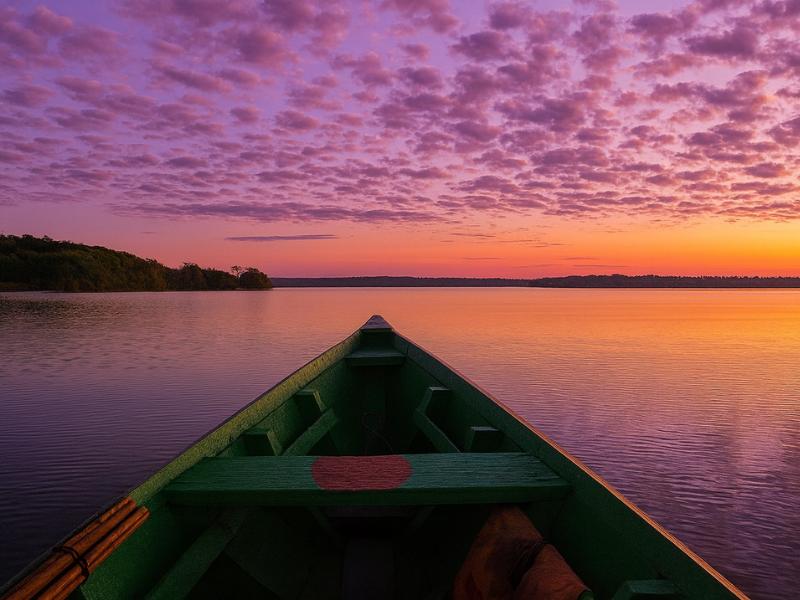
Amazon Jungle Tour: Overnight Rainforest Experience
48 hours from Manaus: rainforest hike, pink dolphins, piranha fishing, a night at a floating house, and the Meeting of the Waters. Meals and lodging included, max 12 guests.
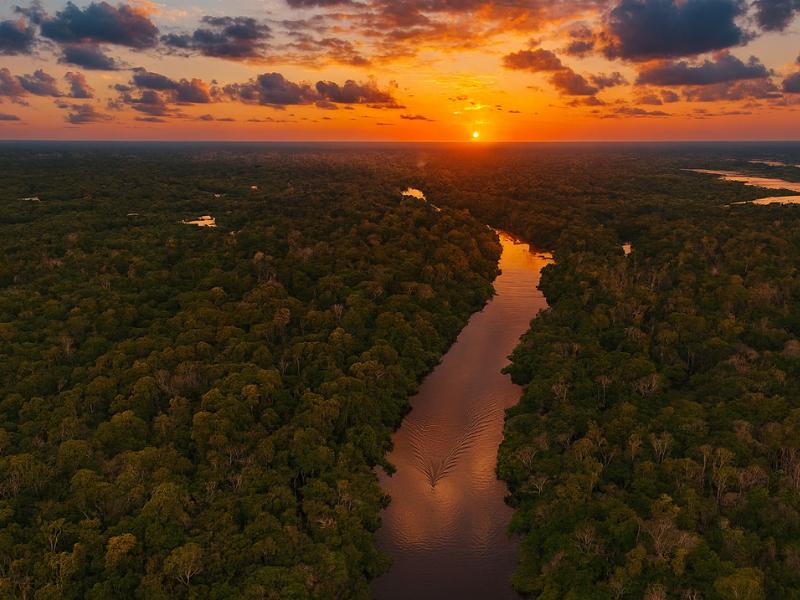
Amazon Jungle Tour: 3-Day Wildlife, Culture & Pink Dolphins Adventure
72-hour tour from the list covering wildlife, culture, and pink dolphins. The listing has the day-by-day schedule and inclusions.
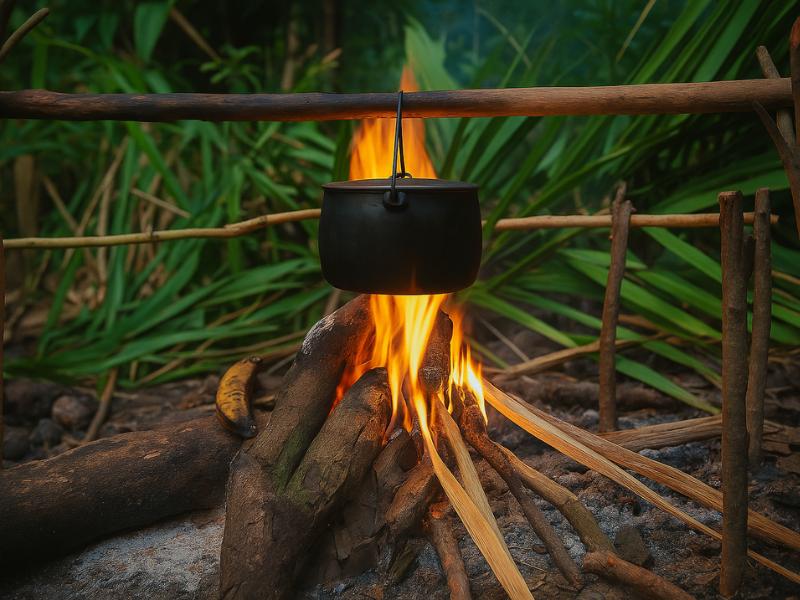
Amazon Kayak Expedition: 4 Days/3 Nights
Listed as 4 days and 3 nights (84 hours). Open the tour page for the current route and what is provided.
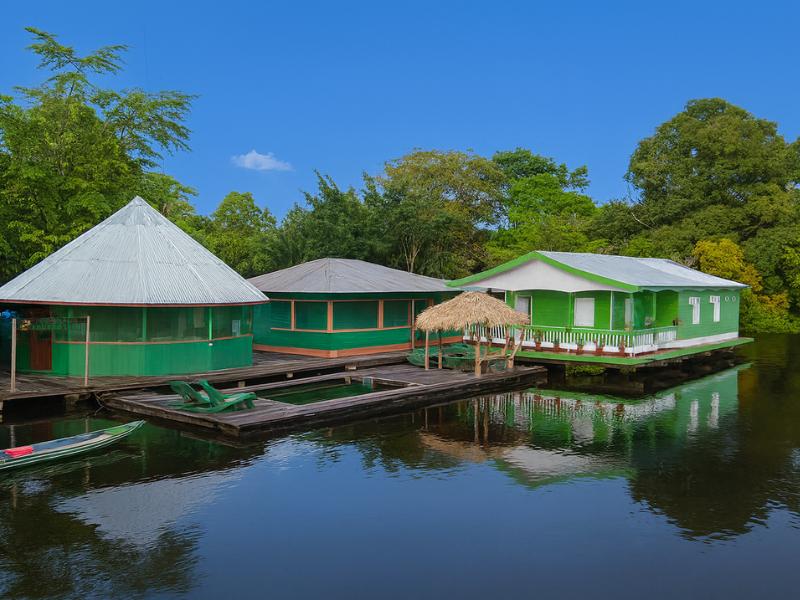
Tapiri Floating Lodge: Multi-Day Amazon Experience from Manaus
Multi-day floating-lodge stay from Manaus, listed at 120 hours. The tour page has lodging details, meals, and dates.
What’s the Actual Difference Between Budget, Mid-Range, and Luxury Amazon Tours?
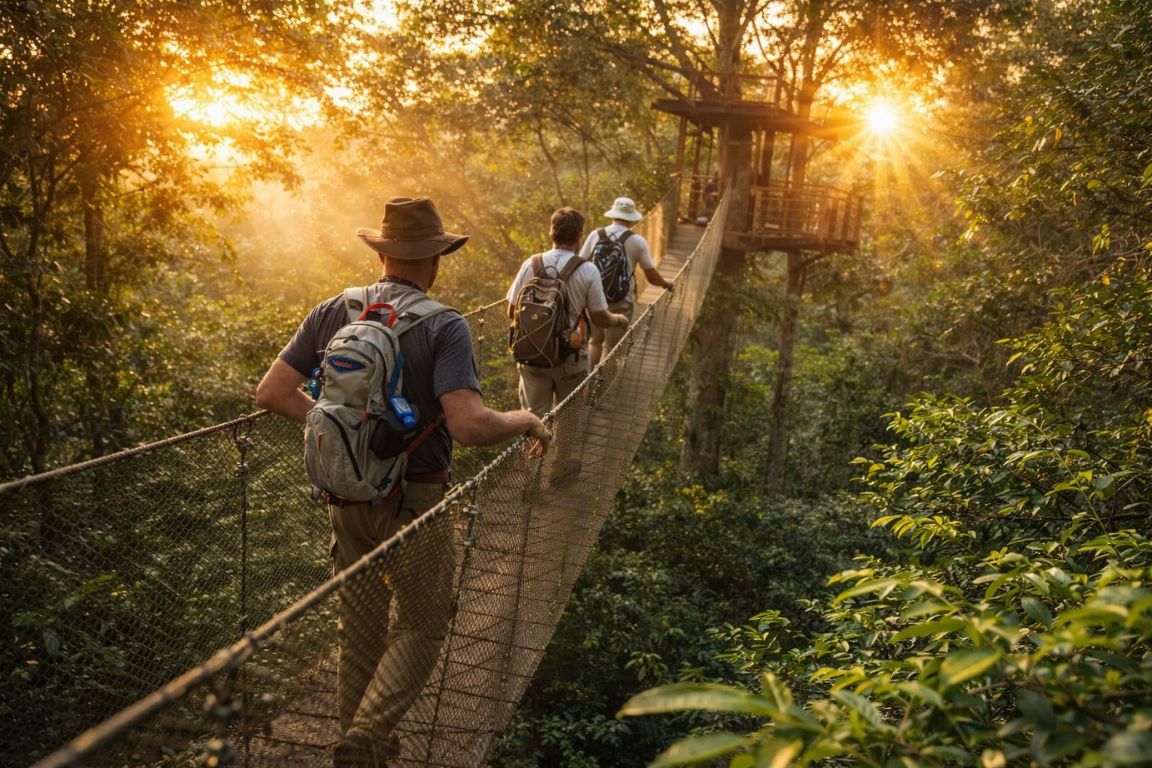
Understanding tiers prevents mismatched expectations and disappointment.
Budget Tours ($600-900 for 4-day/3-night all-inclusive):
What You Get:
- Location: Usually 50-80km from Manaus (closer, more disturbed forest)
- Accommodation: Simple cabañas or hammocks, shared bathrooms (communal toilets/showers), no AC (fans maybe), basic beds
- Food: Simple Brazilian staples – rice, beans, chicken/fish, local vegetables, repetitive but adequate, 3 meals daily
- Guides: Local guides with basic English, competent but not specialist naturalists, 1:12-15 guest ratios typical
- Group size: 12-15 people per departure
- Activities: Standard program (hikes, canoes, night trips) but less variety
- Equipment: Basic (shared binoculars limited, older boats)
Who This Suits: Backpackers, younger travelers tolerating basic conditions, extreme budget priority, people comfortable with communal facilities and simple meals
Trade-offs: Physical discomfort (heat without AC, basic bathrooms), repetitive food, less qualified guides missing wildlife others would spot, larger groups creating noise, closer location reducing wildlife quality
Honest Assessment: Budget tours deliver Amazon experience at accessible price but with significant compromises. You see rainforest, experience jungle, encounter some wildlife, but comfort is minimal and guide quality varies. Good value if budget is hard constraint and you’re realistic about limitations.
Mid-Range Tours ($900-1,800 for 4-5 day/3-4 night all-inclusive):
What You Get:
- Location: 80-150km from Manaus (reaching better-preserved forest)
- Accommodation: Comfortable private or semi-private cabañas, mix of private ensuite and quality shared bathrooms, fans (some lodges partial AC), comfortable beds with linens
- Food: Good quality varied Brazilian and international cuisine, dietary accommodations with advance notice, fresh ingredients, 3 meals plus afternoon snacks
- Guides: Bilingual naturalist guides with formal training (biology degrees, guide certifications), 1:8-10 guest ratios
- Group size: 8-12 people per departure
- Activities: Comprehensive varied program, some customization possible, quality equipment provided
- Equipment: Adequate binoculars for all guests, reliable boats, rubber boots/rain gear
Who This Suits: 90% of Amazon visitors – balancing quality and cost, first-timers wanting proper experience, families, couples, general wildlife enthusiasts
Trade-offs: Not luxury comfort (still hot, humidity constant, not resort-level), not cheapest option, some shared facilities depending on specific lodge
Honest Assessment: Mid-range delivers excellent value – comfortable enough to sleep well and enjoy trip, authentic enough to feel like real jungle, guides qualified to teach and spot wildlife, locations reaching quality forest. This tier optimizes the experience-to-cost ratio better than extremes. Most travelers should target this range.
Luxury/Upscale Tours ($2,000-6,000 for 5-6 day/4-5 night all-inclusive):
What You Get:
- Location: 120-180km+ from Manaus (pristine remote wilderness)
- Accommodation: Spacious private rooms or suites, private ensuite bathrooms always, air conditioning (at least partial day), premium bedding, screened/sealed against insects
- Food: Gourmet cuisine prepared by trained chefs, extensive wine lists, international options, fresh bread/pastries daily, multiple courses, any dietary needs accommodated easily
- Guides: Expert naturalist guides (often internationally trained, published researchers, specialized PhDs), 1:4-6 guest ratios or private guides available
- Group size: 4-8 people maximum per departure
- Activities: Fully customized programming, specialized equipment (professional binoculars, camera equipment, specialized boats), maximum flexibility
- Equipment: Premium everything, possibly massage services, specialized photography blinds, kayaks/canoes
Who This Suits: Luxury travelers for whom comfort is essential, special occasions (honeymoons, anniversaries, milestone birthdays), serious photographers needing best guides and access, older travelers requiring amenities, people who won’t go unless it’s comfortable
Trade-offs: Expensive (3-5x mid-range cost), wildlife doesn’t improve proportionally to price (location matters more than cost), can feel over-curated losing spontaneity, sometimes isolated from authentic local character
Honest Assessment: Luxury tours deliver exceptional comfort while accessing Amazon wilderness – you’re not sacrificing wildlife for luxury, you’re paying premium for comfort alongside quality location. The guide expertise alone often justifies cost for serious enthusiasts. However, mid-range tours with excellent guides at good locations provide 80% of the wildlife/learning experience at 40% of the cost. Luxury is worth it if comfort significantly affects your enjoyment or if celebrating special occasion, but it’s not necessary for excellent Amazon experience.
Most people base themselves in Manaus. Here’s our full rundown of Brazilian Amazon tours from Manaus so you know what’s actually available.
Table: Budget vs Mid-Range vs Luxury Amazon Tours Detailed Analysis
| Factor | Budget ($600-900/4d) | Mid-Range ($900-1,800/4-5d) | Luxury ($2,000-6,000/5-6d) | Biggest Quality Jump | Diminishing Returns Point |
|---|---|---|---|---|---|
| Location Quality | Fair (50-80km, secondary forest) | Good-Very Good (80-150km, primary forest) | Excellent (120-180km+, pristine) | Budget → Mid-Range (doubles distance/quality) | Mid → Luxury (marginal improvement) |
| Wildlife Encounters | Moderate (common species only) | Good (diverse species, multiple daily) | Excellent (rare possible, optimal conditions) | Budget → Mid-Range (location matters most) | Mid → Luxury (guide skill matters more than location beyond 100km) |
| Guide Expertise | Basic (local, limited English) | Good (bilingual naturalist, formal training) | Outstanding (expert specialists, often PhDs) | Budget → Mid-Range (English + training critical) | Luxury guides justify cost for serious learners only |
| Comfort Level | Minimal (shared facilities, basic) | Comfortable (private/good shared, adequate) | Premium (private ensuite, AC, luxury) | Budget → Mid-Range (sleep quality matters) | Luxury comfort nice but unnecessary for most |
| Food Quality | Simple repetitive (adequate nutrition) | Varied good quality (diverse menu) | Gourmet (chef-prepared, premium ingredients) | Budget → Mid-Range (meal enjoyment affects morale) | Luxury food excellent but mid-range sufficient |
| Group Size | Large (12-15 guests) | Moderate (8-10 guests) | Small (4-6 guests) | Budget → Mid-Range (reduces crowding significantly) | Mid-Range already good, luxury marginal improvement |
| Activity Variety | Standard only (basic program) | Comprehensive (varied, some customization) | Fully customized (maximum flexibility) | Budget → Mid-Range (variety prevents repetition) | Mid-Range variety sufficient for most |
| Value Rating | Good if budget hard constraint | Excellent – best ROI | Good if budget not concern | Mid-Range optimizes all factors | Luxury 2-3x cost for 20% better experience |
The data reveals mid-range sweet spot: You gain 60-80% improvement moving from budget to mid-range (better location, qualified guides, comfort, variety) for 40-60% more cost. Moving from mid-range to luxury costs 120-240% more but improves experience only 15-25% (better guides, comfort, slight location advantage). Unless budget is extremely tight or comfort is absolutely essential, mid-range delivers optimal experience-to-investment ratio.
What Duration Amazon Tour Should You Actually Book?
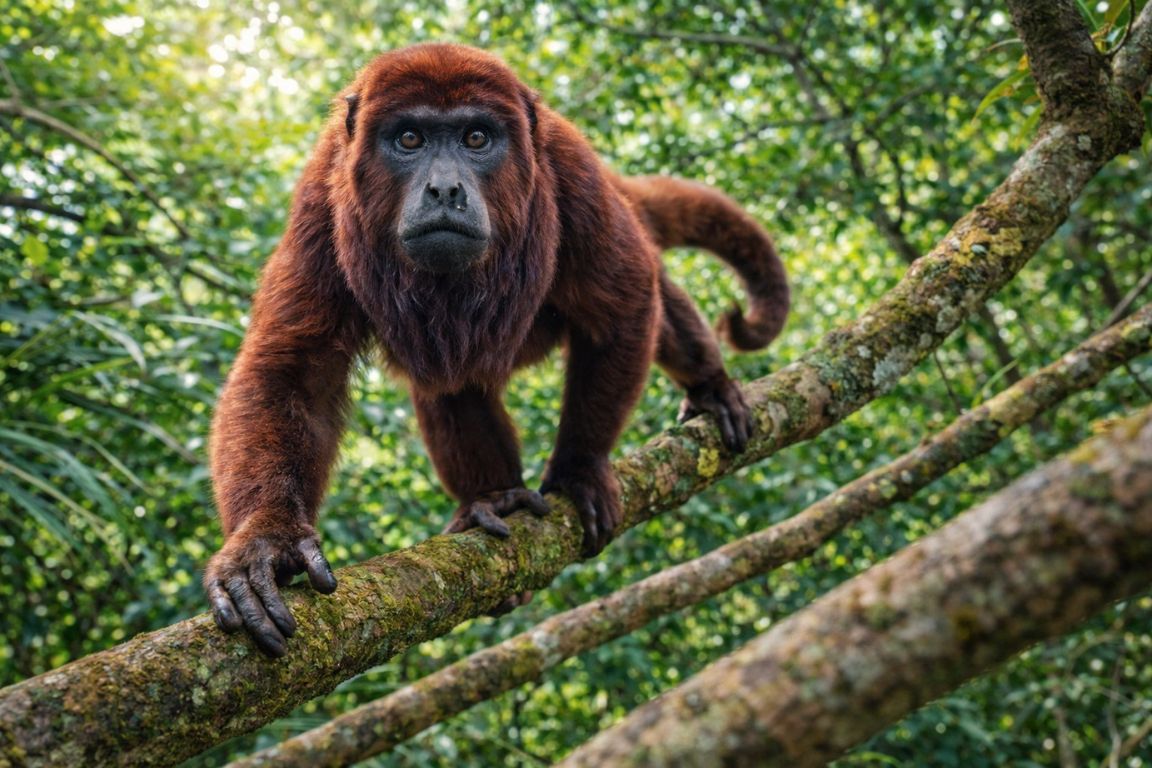
“Best” duration depends on your available time and Amazon priorities.
3 Days/2 Nights (Minimum Viable):
- Actual jungle time: 1 full activity day, partial arrival/departure days = 10-14 hours activities
- Wildlife encounters: Fair odds seeing common species (monkeys, birds, caimans), unlikely for rare
- Learning depth: Surface introduction only, basic ecosystem understanding
- Cost efficiency: Poor ($350-600 for minimal time)
- Who should book: People with absolute maximum 3 days available, better than day trip but still rushed
- Honest verdict: Barely adequate – you’ll wish you stayed longer, insufficient for adjustment or weather buffer
4 Days/3 Nights (Minimum Adequate):
- Actual jungle time: 2 full activity days = 18-24 hours activities
- Wildlife encounters: Moderate odds diverse species, patterns beginning to emerge
- Learning depth: Basic solid understanding, major ecosystem types covered
- Cost efficiency: Fair ($800-1,200, getting value but still compressed)
- Who should book: Time-constrained travelers maximum 4 days, first-timers testing Amazon interest
- Honest verdict: Minimum for meaningful experience, feels complete but brief
5-6 Days/4-5 Nights (Optimal for Most):
- Actual jungle time: 3-4 full activity days = 26-40 hours activities
- Wildlife encounters: Good-very good odds diverse species, multiple sightings daily, rare species possible
- Learning depth: Comprehensive ecosystem understanding, pattern recognition develops
- Cost efficiency: Excellent ($1,000-2,000, best value-to-experience ratio)
- Who should book: 90% of first-time visitors, optimal duration balancing immersion and constraints
- Honest verdict: This is the sweet spot – complete experience without overstaying, proper adjustment time, weather buffer, leaves satisfied
7-8 Days/6-7 Nights (Extended Serious):
- Actual jungle time: 5-6 full activity days = 42-60 hours activities
- Wildlife encounters: Excellent odds including rare species through persistence
- Learning depth: Deep understanding, rare sighting opportunities maximize
- Cost efficiency: Good ($1,400-3,200, value present but diminishing returns beginning)
- Who should book: Wildlife photographers, serious enthusiasts, return visitors, people with luxury time
- Honest verdict: Excellent for right person, most general tourists experience jungle fatigue by day 7-8
10+ Days (Specialized/Extreme):
- For researchers, professional photographers on assignment, extreme enthusiasts
- General tourists hit jungle fatigue (heat, humidity, limited connectivity, repetitive meals)
- Better to do 5-6 day Amazon plus other Brazilian destinations than 10+ continuous jungle
Duration Decision Matrix:
- Have 3-4 days total? → Book 3-4 day tour, understand it’s minimal
- Have 5-7 days total? → Book 5-6 day tour (optimal)
- Have 8-10 days total? → Book 6-7 day tour (serious experience) OR 5-6 day tour plus other destination
- Have 14+ days Brazil trip? → Book 5-6 day Amazon plus Pantanal, Iguazu, Salvador, etc.
Don’t try squeezing Amazon into 1-2 days of longer Brazil trip – it’s destination requiring minimum 4 days or skip entirely.
Planning your schedule? This breakdown of how many days you need in Brazilian Amazon tours shows you what’s possible with 3, 5, or 7 days.
FAQs
What makes a Brazilian Amazon tour the “best” vs just good? Excellence requires four critical elements: (1) Location 100km+ from Manaus reaching primary forest with minimal disturbance, (2) Bilingual naturalist guides with formal training spotting/explaining wildlife beyond guidebook facts, (3) Duration 5-6 days providing proper adjustment time and weather buffers, and (4) Small groups (6-10 guests maximum) allowing intimate encounters and personal guide attention. “Good” tours might excel at one or two factors while compromising others. “Best” tours optimize all four simultaneously – you can’t compensate poor location with luxury amenities or substitute distant wilderness for expert guides. The best Brazilian Amazon tours balance these elements rather than maximizing any single factor.
How much should I expect to pay for a quality Amazon tour? Quality mid-range Amazon tours cost $200-350 per person per night all-inclusive, translating to $1,000-1,800 for optimal 5-6 day experiences. This covers comfortable private/ensuite accommodation, good meals, bilingual naturalist guides, all activities, and transfers from lodges 80-150km from Manaus. Budget tours ($600-900 for 4 days) sacrifice comfort and guide quality but can still deliver adequate experience for cost-constrained travelers. Luxury tours ($2,000-4,000+ for 5-6 days) add amenities and expert guides but don’t dramatically improve wildlife encounters beyond good mid-range options. Suspiciously cheap offers ($300-400 for 4-day all-inclusive) signal quality corners cut – poor locations, basic guides, hidden costs, or unsustainable business models.
Is 4 days enough for a quality Amazon tour or should I book longer? Four days (3 nights) is minimum adequate providing 2 full activity days, while 5-6 days (4-5 nights) is optimal delivering 3-4 full days with proper adjustment, weather buffer, and pattern recognition development. The additional 1-2 days costs $200-400 more but provides 60-80% more actual jungle time since arrival/departure days remain constant. Four days works if genuinely time-constrained, but you’ll likely wish you’d stayed longer. Three days or less feels rushed without meaningful immersion. Seven-plus days benefits serious photographers and wildlife enthusiasts but most general travelers experience jungle fatigue (heat, humidity, limited connectivity) by day 8.
What’s more important – lodge luxury or location remoteness? Location remoteness dramatically outweighs lodge luxury for wildlife quality and authentic experience. Basic lodge at 120km from Manaus delivers better animal encounters than luxury lodge at 40km – wildlife avoids human-disturbed areas regardless of accommodation comfort. However, adequate comfort matters for experience enjoyment – you need to sleep reasonably well and eat adequately. The sweet spot combines mid-distance location (100-150km, 4-5 hour transfer) with comfortable but not excessive lodging (private rooms, good shared facilities, varied meals, fans). Extreme budget sacrificing basic comfort ruins trips. Extreme luxury at near locations wastes money on amenities while missing wildlife. Prioritize location first, then choose comfort level within budget at that distance.
How do I verify an Amazon tour operator isn’t scamming with false promises? Red flags include: guaranteed specific rare wildlife (jaguars, anacondas, harpy eagles are extremely rare – promises are dishonest), prices dramatically below market without clear explanation ($300-400 for 4-day all-inclusive when market is $800-1,200), vague location information (“deep jungle” without kilometer specifics), no recent verifiable reviews (or suspicious all-5-star patterns), pressure tactics (“last spot available,” “special price expires today”), poor communication (slow responses, unclear answers), and operating under multiple changing names. Verify legitimacy through: specific lodge names you can research independently, detailed recent reviews on multiple platforms mentioning guide names and actual experiences, transparent pricing with itemized inclusions/exclusions, and direct professional communication answering your questions specifically.
Should first-time Amazon visitors book budget or mid-range tours? First-timers should target mid-range ($900-1,800 for 5 days) for optimal introduction – comfortable enough to sleep well and enjoy trip, authentic enough to feel like real jungle, guides qualified to teach and spot wildlife, and locations reaching quality forest 80-150km from Manaus. Budget tours ($600-900) save money but risk disappointing first experience through basic discomfort (shared bathrooms, simple repetitive meals, minimal amenities), less qualified guides missing wildlife and educational opportunities, and closer locations (50-80km) in more disturbed forest. The $300-500 additional investment for mid-range dramatically improves comfort, learning, and wildlife encounters – worth it for proper Amazon introduction. Budget tours work as second visit when you know what to expect and tolerate discomfort.
What’s the difference between Amazon day tours and multi-day tours? Day tours ($50-100, 8-10 hours total) depart Manaus morning, visit tourist-zone forest within 30km (heavily disturbed, minimal authentic wildlife), see Meeting of Waters, include brief staged activities, and return evening – providing surface glimpse unsuitable for serious Amazon experience. Multi-day tours involve overnight lodge stays 80-180km from Manaus reaching less-disturbed forest, multiple dawn wildlife excursions (prime animal activity hours day-trip visitors miss), proper ecosystem immersion, and adequate time for body adjustment and learning. Day tours exist because tourists demand them, not because they deliver meaningful rainforest experience. Minimum worthwhile investment is 4-day/3-night multi-day tour reaching 80km+ from Manaus. Day tours work only for emergency short Manaus layovers or testing interest before booking future proper trip.
Can I book good Amazon tours after arriving in Manaus or must I book advance? Book 3-6 months advance for peak dry season (July-September), 1-2 months for wet season (January-March) – quality lodges at optimal distances (100-150km) fill weeks to months ahead especially high season. Walk-in Manaus booking limits you to near-city tours (poor wildlife, disturbed forest), last-minute availability at second-tier properties, or overpriced premium for remaining space. The rare exceptions: experienced budget travelers visiting wet season comfortable with basic camps might find acceptable deals 2-3 weeks out, but this gambles on quality and availability. Advance booking guarantees optimal location choice, preferred dates, and best pricing. Emergency same-day or next-day bookings from Manaus typically mean compromised experience or expensive last-minute rates.
Glossary
All-Inclusive Package: Tour pricing covering accommodation, meals (typically 3 daily plus snacks), guided activities (usually 2-4 per full day), Manaus-lodge transfers, and basic equipment, but interpretation varies between operators – always verify specific inclusions vs exclusions before booking to avoid surprise costs.
Bilingual Naturalist Guide: Professional guide with formal biology/ecology training and fluent English-Portuguese communication, superior to basic “bilingual guide” (translating without scientific knowledge) or “naturalist” (knowledge without English fluency) – critical factor affecting wildlife spotting success and learning depth.
Primary Forest: Undisturbed old-growth rainforest never logged or cleared, featuring complete biodiversity, massive ancient trees, and intact ecosystems – typically found 100km+ from Manaus, characteristic of remote quality lodge locations, dramatically superior to secondary forest for wildlife encounters.
Secondary Forest: Regenerating rainforest previously disturbed by logging, agriculture, or development, lacking old-growth characteristics and maximum biodiversity – common within 60km of Manaus at near-city tour locations, adequate for introduction but inferior to primary forest for authentic wilderness.
Guide-to-Guest Ratio: Number of tourists per guide on excursions, critically affecting wildlife spotting success, learning quality, and experience intimacy – 1:6 excellent, 1:8 good, 1:10 adequate, 1:12+ problematic with crowding and noise reducing encounter quality.
Transfer Time: Total duration from Manaus hotel to lodge arrival including van to port (30-60 minutes), boat journey (1-6 hours depending on distance), and lodge check-in – represents “dead time” not experiencing Amazon activities, justifying longer durations for distant lodges.
Lodge Distance: Kilometers from Manaus city center to jungle lodge location, fundamentally determining wildlife quality and forest integrity – near (30-60km), mid-distance (80-120km), remote (150-180km), extreme remote (200km+) – distance equals reduced human disturbance and increased biodiversity.
Activity Variety: Range of different excursion types offered (rainforest hikes, canoe trips, night spotting, indigenous visits, fishing, survival skills, swimming, cultural demonstrations) – comprehensive programs expose diverse ecosystems and perspectives versus repetitive single-activity focus.
Wildlife Realism: Honest operator communication about encounter probabilities – “likely see monkeys, dolphins, birds; sloths possible with patience; jaguars extremely rare” – versus dishonest guarantees promising specific rare species impossible to promise in wild settings.
Multi-Day Lodge Tour: Most common Amazon tourism format (70% of visitors) staying at fixed jungle lodge 50-180km from Manaus, taking varied daily excursions radiating from base, sleeping in same accommodation throughout – optimal for first-timers providing comprehensive introduction with logistical simplicity.
Written by a Brazilian Amazon specialist with extensive experience evaluating tour quality across budget/mid-range/luxury tiers, understanding how location distance, guide expertise, duration, and group size affect actual visitor outcomes versus marketing promises, relationships with operators and past guests revealing operational realities, knowledge of competitive dynamics between Brazilian, Peruvian, and Ecuadorian Amazon tourism, and commitment to honest guidance about optimal tour characteristics rather than declaring any single operator “best” when excellence depends on individual priorities (budget vs wildlife vs comfort vs duration) requiring matched tour selection. Date: December 29, 2025.