Where to Stay in the Brazilian Amazon: Accommodation Guide
From jungle camps to luxury eco-lodges, Brazilian Amazon stays vary by price, comfort, and distance from Manaus. Discover which lodge location gives the best wildlife—and why mid-distance lodges deliver the real Amazon experience.
Last updated: March 10, 2026
Choose where to sleep before choosing the activities. Explore Three-Day Amazon Wildlife And Culture Adventure ↗
Planning note: price ranges, sample schedules and percentage comparisons below are illustrative editorial estimates, not live quotes or measured predictions. The linked itineraries state their own duration, location, inclusions and restrictions; wildlife sightings are never guaranteed.
What Actually Matters When Choosing Where to Stay in the Brazilian Amazon?
Strip away the marketing photos and focus on factors that genuinely affect your experience.
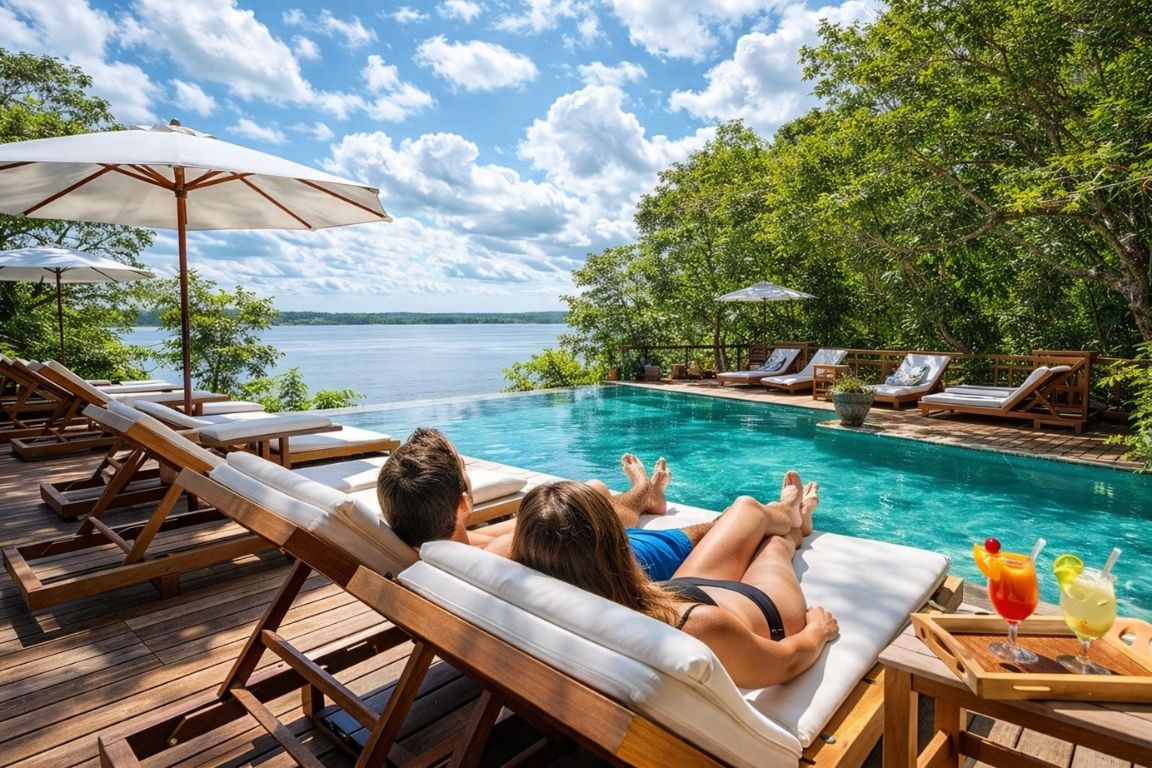
Distance from Manaus is the single most important decision. It determines: (1) Wildlife quality – animals avoid human-disturbed areas within 60km of cities. (2) Forest integrity – logging, fishing, and development decrease with distance. (3) Transfer time investment – you’re trading hours in boats for better wilderness. (4) Price typically increases with remoteness due to logistics and limited competition.
Accommodation comfort level defines your physical experience. Are you sleeping in hammocks with communal bathrooms, or private rooms with ensuite facilities and air conditioning? Both exist in the Amazon at wildly different prices. Your tolerance for basic conditions versus need for creature comforts must match the property.
All-inclusive coverage varies deceptively. “All-inclusive” at one lodge means everything (meals, activities, transfers, drinks). At another it means accommodation and basic meals, with activities and alcohol charged separately. Verify exactly what’s covered before comparing prices – that “cheaper” lodge might cost more once you add mandatory extras.
Guide quality and ratios matter more than fancy buildings. Expert bilingual naturalist guides in 4-6 guest groups deliver dramatically better experiences than generic guides managing 12-15 people. Ask about guide qualifications and typical group sizes – this information predicts your actual forest experience more than room amenities.
Activity variety and flexibility separates good lodges from mediocre. Standard packages offer fixed schedules (everyone does same activities). Better lodges allow customization (photographers getting extended dawn hikes, families skipping hard treks, individuals pursuing specific interests). Ask how flexible the program is.
Location specifics beyond just distance: Which river system? Black water Rio Negro has different wildlife than brown water Solimões. Igapó flooded forest versus terra firme upland forest. Proximity to indigenous communities. Access to rare ecosystems (lakes, streams, primary forest). These geographic factors affect what you see and experience.
Sustainability practices range from genuine conservation efforts to greenwashing. True eco-lodges employ local communities, minimize environmental impact, support conservation projects, and operate transparently. Tourist-trap lodges claim “eco” while damaging forests and exploiting workers. Research actual practices, not marketing claims.
Table: Brazilian Amazon Lodge Distance Zones Comparison
| Distance from Manaus | Transfer Time | Wildlife Quality | Forest Condition | Tourist Pressure | Price Range (mid-range/night) | Best For | Avoid If |
|---|---|---|---|---|---|---|---|
| Very Near (10-30km) | 30min-1hr speedboat | Poor (disturbed zone) | Heavily impacted secondary forest | Very High (day-trip territory) | $100-200 | Day trips only, layover necessity | Want real Amazon |
| Near (30-60km) | 1-2hr speedboat | Fair-Moderate (some species) | Secondary forest, partial recovery | High (many lodges operate) | $150-280 | Short stays (3-4 days), tight budgets, first-timers nervous about remoteness | Serious wildlife focus |
| Mid-Distance (80-120km) | 3-4hr speedboat | Good-Very Good (diverse species) | Well-preserved forest, good integrity | Moderate (selective tourism) | $200-350 | Optimal balance – most 5-6 day visitors | Need quick access, very limited time |
| Remote (150-180km) | 5-6hr speedboat or overnight slow boat | Excellent (rare species possible) | Pristine primary forest | Low (few lodges, limited access) | $250-450 | Serious wildlife enthusiasts, 7+ day stays, photographers | Short stays (transfer time dominates trip) |
| Extreme Remote (200km+) | 8+ hrs or multi-day river journey | Outstanding (maximum biodiversity) | Untouched wilderness | Very Low (expedition territory) | $300-600+ | Researchers, extreme adventurers, specialized expeditions | First-timers, comfort priority, limited time |
The pattern is clear: distance equals wildlife quality but demands time investment. Near lodges suit 4-day trips prioritizing convenience. Mid-distance lodges optimize 5-7 day trips balancing access and experience. Remote lodges require 7+ days justifying the transfer commitment with exceptional wilderness.
What Types of Amazon Accommodation Actually Exist in Brazil?
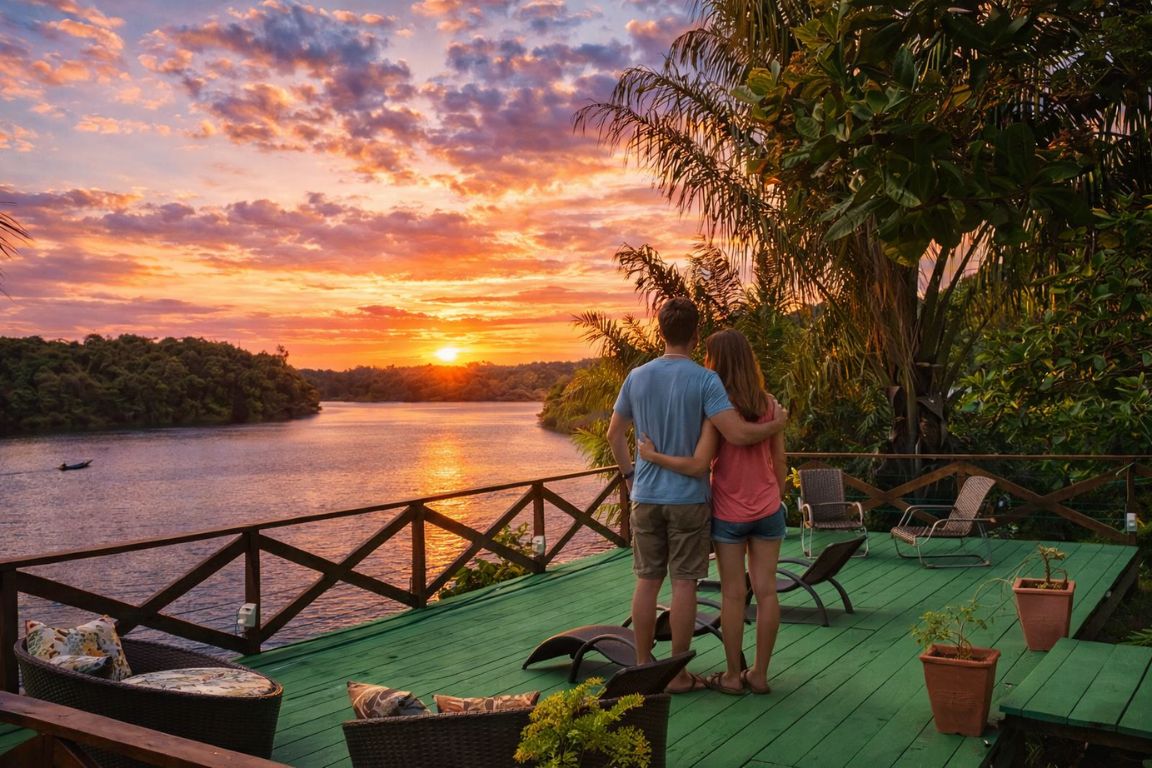
Jungle Lodges (Fixed Properties): These permanent structures range from basic eco-lodges to upscale resorts. You stay in one location, taking different daily excursions radiating from the base. Rooms might be simple wooden cabañas with shared bathrooms ($120-200/night) or comfortable private rooms with ensuite facilities and screened windows ($220-350/night) or luxury accommodations with air conditioning and gourmet restaurants ($400-600+/night).
Advantages: Comfort base, varied daily destinations, social atmosphere with other guests, consistent meal quality, reliable infrastructure. Disadvantages: Less mobile (limited to exploring area within 2-3 hour boat radius), scheduled group activities, less adventurous feel.
Riverboat Cruises: You sleep aboard while the boat moves overnight, waking in new locations daily. These range from basic regional boats with hammock sleeping ($80-150/night) to comfortable tourist boats with private cabins ($200-350/night) to luxury expedition vessels with spacious suites ($500-800+/night).
Advantages: Cover vast territory, see multiple ecosystems, efficient use of time (travel while sleeping), romantic river experience. Disadvantages: Less forest hiking (primarily boat-based), shared bathrooms except luxury tier, motion sensitivity issues, limited personal space, less intimate wildlife encounters.
Budget Jungle Camps: Basic camps offering hammocks or simple tents with mosquito netting, communal bathrooms, simple meals cooked over fire, and bare-bones infrastructure ($50-120/night including guide and basic food).
Advantages: Authentic jungle immersion, maximum “roughing it” experience, lower cost, often reach more remote areas, forced simplicity creates focus. Disadvantages: Physical discomfort (heat, insects, basic sanitation), not suitable for older travelers or those with health concerns, limited safety infrastructure, challenging for families.
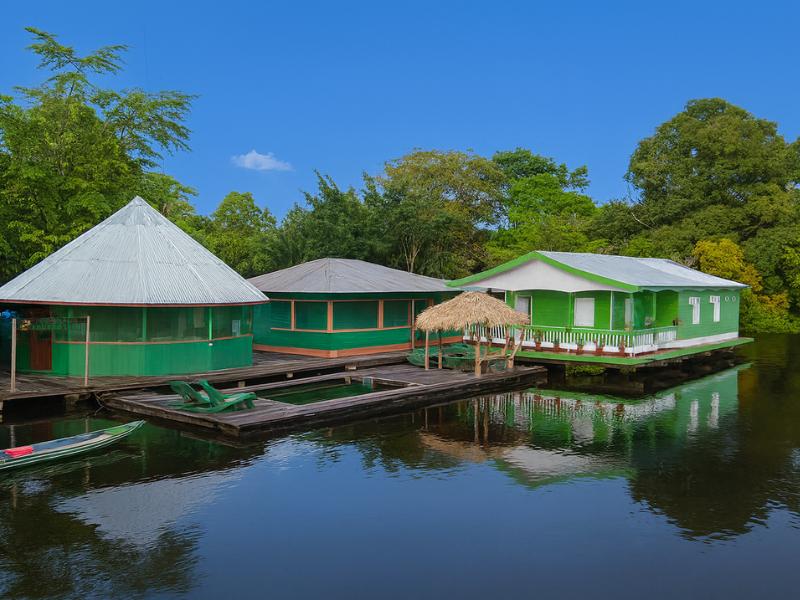
Floating Lodges: Permanent structures built on floating platforms, combining lodge amenities with water access. Less common but growing niche ($180-380/night).
Advantages: Unique aesthetic, direct water access for swimming/fishing, mobility potential (some can relocate), intimate connection with river. Disadvantages: Can feel cramped, weather-dependent stability, limited land access for forest hikes, fewer exist to choose from.
Community-Based Homestays: Staying with indigenous or traditional riverside communities in basic accommodation (hammocks or simple beds), sharing meals, participating in daily life ($60-150/night including cultural activities).
Advantages: Authentic cultural immersion, economic benefit directly to communities, unique perspectives, learning traditional practices. Disadvantages: Very basic facilities (pit toilets, river bathing, no electricity often), significant cultural adaptation required, language barriers, ethical considerations about tourism impact on traditional lifestyles.
Manaus City Hotels (Base for Day Trips): Staying in Manaus proper ($40-200/night depending on quality) while taking day trips to nearby attractions. This isn’t “staying in the Amazon” – it’s staying in a city and visiting the Amazon’s edges.
Advantages: Comfort, variety of restaurants, internet/connectivity, air conditioning, easy flight access. Disadvantages: Minimal real jungle experience, day-trip crowds, tourist-trap activities, missing overnight forest sounds and nocturnal wildlife, not recommended for serious Amazon visitors.
We’ve mapped out all the Brazilian Amazon tours from Manaus based on length, price, and what you’ll experience on each one
Recommended tours by stay type
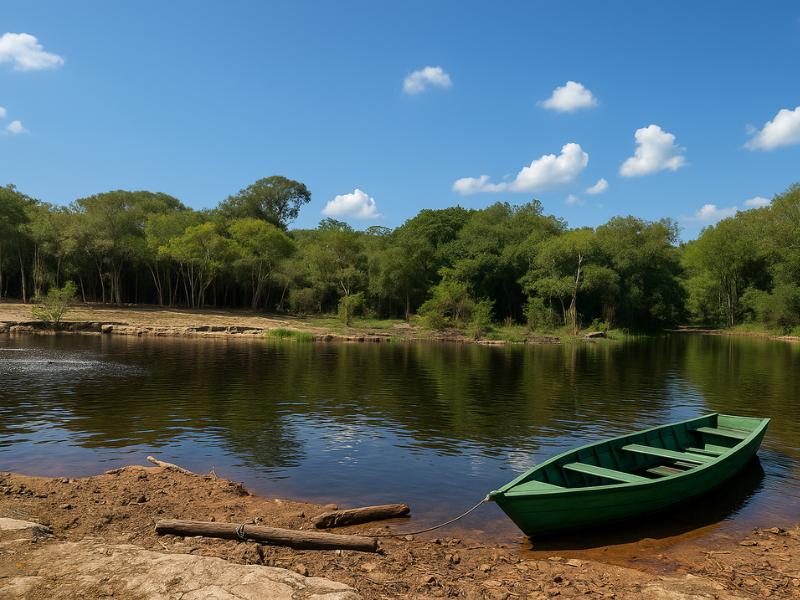
A Whole Day in the Brazilian Amazon Jungle
12-hour guided day from Manaus. Use this if you are sleeping in the city and want one full jungle day.
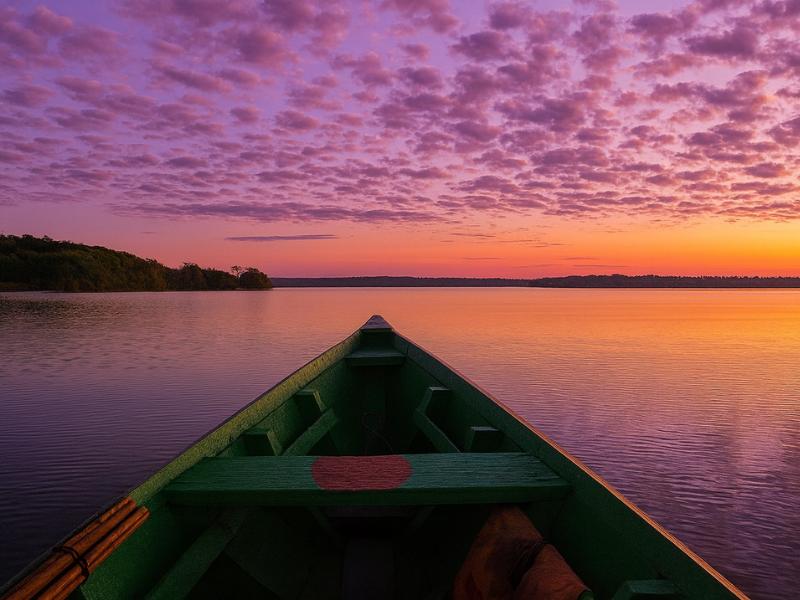
Amazon Jungle Tour: Overnight Rainforest Experience
48-hour rainforest stay from Manaus, for travelers who want one night in the forest rather than a city hotel.
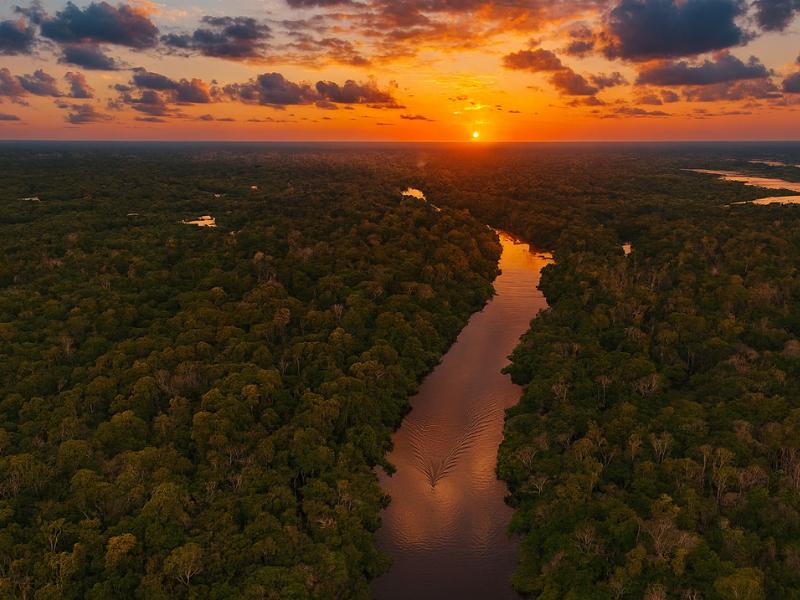
Amazon Jungle Tour: 3-Day Wildlife, Culture & Pink Dolphins Adventure
72-hour trip from Manaus covering wildlife, a cultural visit, and pink dolphins.
Tapiri Floating Lodge: Multi-Day Amazon Experience from Manaus
Five-day floating-lodge stay departing from Manaus, for travelers comparing multi-day lodge packages.
How Do Brazilian Amazon Jungle Lodge Comfort Levels Actually Differ?
The spectrum from budget to luxury is dramatic. Here’s what you actually get at each level:
Budget Lodges/Camps ($80-150/night all-inclusive):
- Accommodation: Hammocks with mosquito netting, or very basic wooden shelters with simple beds, shared dormitory-style sometimes
- Bathrooms: Communal, basic showers (cold water only, river water or catchment), composting toilets or pit latrines
- Meals: Simple Brazilian staples cooked over fire or basic kitchen – rice, beans, fish, local vegetables, fruit. Repetitive but adequate. Two or three meals daily.
- Electricity: Limited (few hours evening), charging restricted
- Activities: Basic guided walks and canoe trips, local guides (often excellent naturalists but limited English)
- Group size: 8-15 people typically
- Infrastructure: Minimal – you’re camping/glamping more than lodging
This is authentic immersion. You’re uncomfortable but that’s part of the experience. Not for anyone requiring creature comforts, older travelers, or families with young children.
Mid-Range Lodges ($180-350/night all-inclusive):
- Accommodation: Private or semi-private cabañas (2-4 guests), wooden structures with screened windows, fans, simple but comfortable beds with linens
- Bathrooms: Mix of private ensuite (smaller lodges, premium rooms) and shared clean facilities (hot water available, Western toilets, reasonable cleanliness)
- Meals: Good quality Brazilian and international cuisine, varied menu, three meals plus snacks, fresh ingredients, accommodates dietary restrictions with notice
- Electricity: Several hours daily (morning and evening), charging stations available, some lodges have limited 24-hour power in main areas
- Activities: Professional bilingual guides, varied daily program, some customization possible, educational components
- Group size: 6-12 people typical
- Infrastructure: Established lodges with restaurant, hammock areas, observation decks, decent boat equipment
This is the sweet spot for most travelers – comfortable enough to sleep well and enjoy meals, rustic enough to feel authentic. You can tolerate the heat and humidity with fans and proper design.
Upscale/Luxury Lodges ($350-600+/night all-inclusive):
- Accommodation: Spacious private rooms or suites, quality beds with good linens, air conditioning (at least partial day), screened and sealed against insects, sometimes plunge pools or hammocks
- Bathrooms: Private ensuite always, hot water 24 hours, Western toilets, good water pressure, quality toiletries provided
- Meals: Gourmet cuisine, extensive menu variety, international options, wine lists, fresh bread/pastries, multiple courses, special dietary needs easily accommodated
- Electricity: 24 hours in rooms and common areas, unlimited charging, Wi-Fi often available (though limited bandwidth)
- Activities: Expert naturalist guides (often internationally trained), small groups (4-6 guests), extensive customization, specialized programming (photography workshops, survival skills, indigenous expert collaborations)
- Group size: 4-8 people maximum, often private groups arranged
- Infrastructure: High-quality construction, beautiful design, lounge areas, libraries, observation towers, professional photo equipment available, massage services sometimes
This is comfort in the jungle. You’re not roughing it – you’re experiencing curated wilderness from a comfortable base. The Amazon adventure without sacrificing sleep quality or meal variety.
Ultra-Luxury Expedition Lodges ($600-1,200+/night):
- Limited options exist, mostly expedition cruise vessels or exclusive remote camps
- Everything from luxury tier, plus: private guides, customized itineraries, maximum flexibility, potentially helicopter transfers, gourmet chef-prepared meals, premium alcohol included, extreme service levels
- This is niche market – few properties operate at this level in Brazilian Amazon specifically (more common in Ecuador/Peru)
Table: Brazilian Amazon Lodge Comfort Levels Detailed Comparison
| Comfort Level | Price/Night (all-inclusive) | Room Type | Bathroom | Meals | Electricity | Activities | Guide Quality | Best For | Dealbreaker If |
|---|---|---|---|---|---|---|---|---|---|
| Budget Camp | $80-150 | Hammock or simple bed, shared space | Communal, cold water, basic | Simple rice/beans/fish, limited variety | Few hours evening only | Basic hikes/canoes, local guides | Variable English, good nature knowledge | Adventure seekers, backpackers, authentic experience | Need any comfort, older travelers |
| Basic Lodge | $150-220 | Simple cabañas, 2-4 guests, fans | Mostly shared, hot water limited | Good Brazilian food, some variety | Morning/evening hours | Standard program, bilingual guides | Adequate-Good, basic English | Budget-conscious wanting some comfort | Require private bathroom, AC |
| Mid-Range Lodge | $220-350 | Comfortable private rooms, fans, screened | Mix private/shared, hot water available | Varied quality cuisine, dietary accommodation | Several hours daily, charging available | Professional guides, diverse activities | Good-Very Good, fluent English | Most travelers – best value/comfort balance | Need constant AC, gourmet food |
| Upscale Lodge | $350-500 | Spacious private, AC partial, quality beds | Private ensuite always, 24hr hot water | Gourmet meals, extensive variety, wine | 24 hours in rooms | Expert guides, small groups, customization | Excellent, specialist training | Comfort priority, luxury experience | Budget constrained, roughing-it enthusiasts |
| Luxury Lodge | $500-800+ | Suites, full AC, premium everything | Luxury private, premium toiletries | Chef-prepared gourmet, international options | Full 24hr power, Wi-Fi | Private guides possible, maximum flexibility | Outstanding, internationally certified | Luxury travelers, special occasions | Want authentic rough experience |
What Distance from Manaus Should You Actually Choose for Your Lodge?
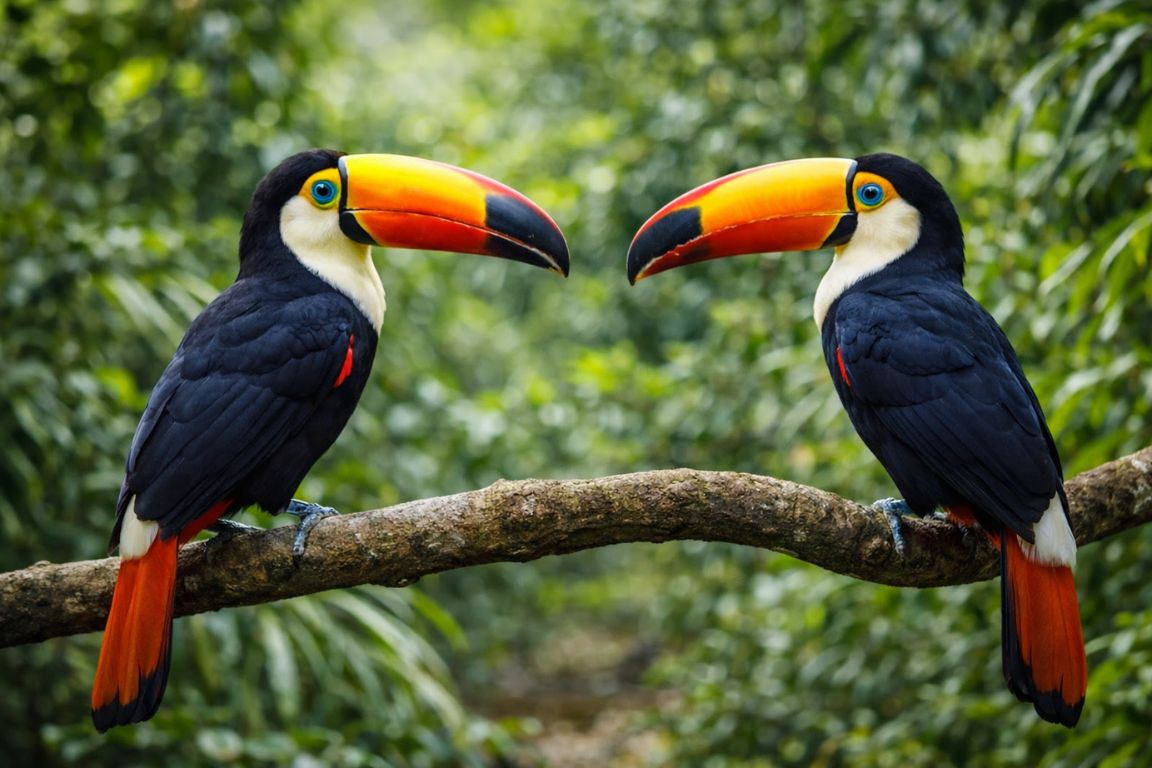
This decision fundamentally shapes your wildlife encounters and overall experience.
Near Lodges (30-60km from Manaus):
What You Actually See: Common birds (toucans, parrots, herons – the “greatest hits”), river dolphins occasionally, caimans reliably at night, squirrel monkeys if lucky, howler monkeys audible, basic insects and reptiles. You’ll likely see some wildlife, just not the diversity or rare species that justify traveling to the Amazon.
The forest has been impacted by human activity for decades – selective logging, hunting pressure, fishing, and regular tour groups. It’s regenerating secondary forest, not pristine primary. You’ll see big trees, but you’re missing the true wilderness character.
If you’re going for the wildlife, here’s what animals you’ll see in Brazilian Amazon tours so you can set realistic expectations.
Who This Works For:
- Travelers limited to 3-4 days (transfer time minimized)
- First-timers nervous about extreme remoteness
- Families with young children (shorter boat rides easier)
- Elderly or mobility-limited travelers (quick access to medical care if needed)
- Budget travelers ($150-250/night range more common here)
Honest Assessment: This is “Amazon lite” – you’re experiencing rainforest, learning ecosystem basics, seeing some wildlife, but you’re missing what makes the Amazon special. It’s like visiting edge of Yellowstone versus heart of the park.
Mid-Distance Lodges (80-120km from Manaus):
What You Actually See: Everything from near lodges, plus: multiple monkey species regularly (howler, squirrel, capuchin), pink river dolphins common, sloths if you’re observant and patient, wide bird diversity including specialized species, healthy insect populations (including impressive butterflies), river otters possible, larger caimans in less-disturbed areas, occasional tapir or anteater signs if not direct sightings.
The forest is substantially more intact – mix of secondary and primary growth, less hunting pressure, more wildlife comfortable with human presence because encounters are less frequent. You’re seeing real Amazon ecosystem functioning properly.
Who This Works For:
- Most 5-7 day visitors (transfer time justified by experience quality)
- First-time Amazon travelers wanting authentic experience
- Wildlife enthusiasts with realistic expectations
- Photographers seeking good (not exceptional) opportunities
- Travelers balancing comfort and wildness
Honest Assessment: This is the sweet spot. The 3-4 hour transfer is noticeable but manageable. The wildlife improvement over near lodges is dramatic. You’re experiencing legitimate Amazon wilderness without requiring extreme commitment.
Remote Lodges (150-180km+ from Manaus):
What You Actually See: Everything from mid-distance, plus: rare bird species, multiple cat species signs (jaguar tracks occasionally, maybe glimpses), harpy eagles if incredibly lucky, healthier populations of everything, animals behaving naturally without human wariness, pristine forest with massive old-growth trees, aquatic life diversity in less-fished waters, potentially unique species depending on specific location.
This is primary rainforest – undisturbed for centuries, full biodiversity, complete ecosystem functioning. You’re seeing what “Amazon” means in its truest sense.
Who This Works For:
- Serious wildlife enthusiasts willing to invest time
- Photographers needing maximum opportunities
- Travelers on 7-10+ day trips (transfer becomes smaller percentage)
- Return visitors having done accessible lodges already
- People prioritizing wilderness over convenience
Honest Assessment: The 5-6+ hour transfer is significant. You lose essentially a full day arriving and another departing. But the wilderness quality justifies it for the right traveler. This is where the Amazon’s magic operates at full scale. You’re not guaranteed to see jaguars or harpy eagles (those remain extremely rare everywhere), but your overall wildlife encounters are substantially richer and more authentic.
Table: Brazilian Amazon Lodge Location Decision Matrix
| Priority | Recommended Distance | Why | Typical Price | Transfer Time Acceptable? | Wildlife Expectations |
|---|---|---|---|---|---|
| Convenience, Short Trip (3-4 days) | Near (30-60km) | Minimize transfer time loss, maximize activity days | $150-280/night | Yes – 1-2hrs manageable | Moderate – common species, basic diversity |
| Balance, First-Timer (5-6 days) | Mid-Distance (80-120km) | Best experience-to-effort ratio | $200-350/night | Yes – 3-4hrs justified by experience | Good – diverse species, real wilderness |
| Wildlife Focus (7+ days) | Remote (150-180km) | Maximum biodiversity and pristine conditions | $250-450/night | Yes – amortized across many days | Excellent – rare species possible, optimal conditions |
| Budget Primary Concern | Near (30-60km) | More budget options exist closer to Manaus | $120-220/night | Yes – saving transfer fuel costs | Fair – acceptable for budget expectations |
| Luxury Experience | Mid-Distance or Remote | Upscale lodges cluster here for wilderness access | $350-600+/night | Yes – comfort during transfer offsets time | Very Good to Excellent depending on distance |
| Photography Mission | Remote (150km+) | Need pristine conditions and rare species | $250-500/night | Necessary trade-off | Excellent – worth the transfer investment |
| Family with Kids | Near to Mid (30-80km) | Kids tolerate shorter transfers better | $180-320/night | Shorter better – kids get restless | Good enough – kids won’t differentiate fine details |
| Return Visitor | Remote (150km+) | Already experienced accessible areas | $250-450/night | Accepted – seeking new territory | Excellent – justifies return trip |
What Do Brazilian Amazon Riverboat Cruises Actually Offer?
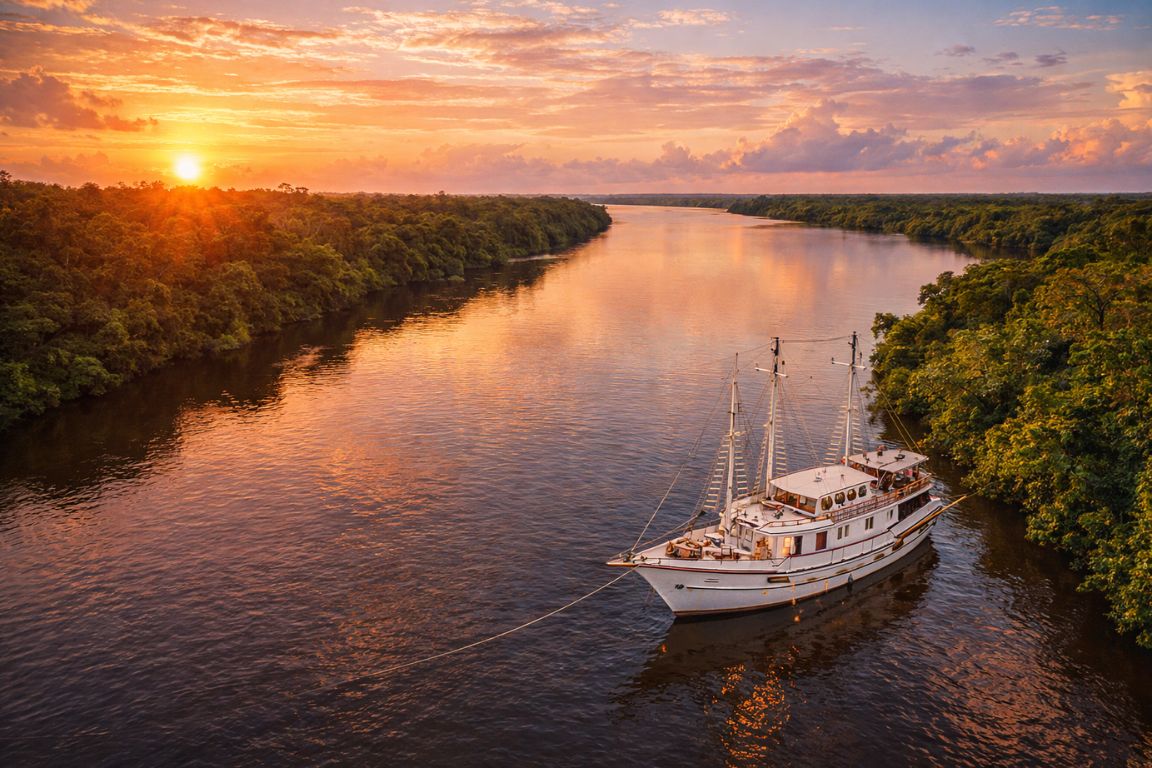
Riverboats provide different Amazon experience than fixed lodges. You’re mobile, covering vast distances, seeing changing landscapes daily.
Basic Regional Boats (Recreio/Traditional River Transport): These are working boats that happen to accept tourists – locals use them for regional transportation. You sleep in hammocks on open decks alongside Brazilians traveling for work, family visits, or commerce.
- Cost: $50-100/night including basic meals
- Accommodation: Hammock space (bring own hammock, they provide hanging points)
- Bathroom: Communal basic facilities, river water
- Meals: Simple regional food prepared in boat galley, eat what locals eat
- Activities: None organized – you’re traveling, not touring. You stop at river communities for cargo/passengers, can explore briefly.
- Duration: Typically 3-7 days Manaus to various destinations
Who This Works For: Extreme budget travelers, adventurous backpackers comfortable with zero comfort, people specifically interested in river culture and riverside community life. This is not a “tour” – it’s transportation that tourists can use.
Honest Reality: You’ll be hot, cramped, possibly uncomfortable with bathroom situations, eating unfamiliar food, surrounded by Portuguese speakers, and entertained by raw river life. It’s authentic in the extreme but tough for most international tourists.
Mid-Range Tourist Riverboats: Purpose-built or converted boats operating specific tourist itineraries with private cabins (small), organized activities, and bilingual guides.
- Cost: $200-350/night all-inclusive
- Accommodation: Small private cabins (2 guests), single beds, very compact but adequate, screened windows, fans
- Bathrooms: Private ensuite in cabin (tight but functional) or shared facilities (cleaner than basic boats)
- Meals: Good quality prepared specifically for tourists, varied menu, dietary accommodation possible
- Activities: Daily excursions (skiff boats for wildlife, forest walks at landing points, fishing, community visits), naturalist guides, evening programs
- Duration: 3-7 nights typically, fixed itineraries
Who This Works For: Travelers wanting to cover lots of territory, people interested in river systems and changing landscapes, those who enjoy boat life and don’t mind compact quarters, visitors combining mobility with comfort.
Realistic Expectations: Cabins are tiny – you’re sleeping only, not spending time there. Common areas are social hubs. Less forest hiking than lodges (you’re boat-based primarily). Wildlife viewing is river-focused (dolphins, birds, caimans) not deep-forest mammals. Photography is decent but not optimal (boat motion, distance from subjects). Good for broad Amazon overview, less good for specific wildlife focus.
Luxury Expedition Cruises: High-end vessels with spacious cabins, gourmet dining, premium service, and expert guides operating longer itineraries.
- Cost: $500-900/night all-inclusive with premium alcohol
- Accommodation: Spacious cabins with real beds, private bathrooms, air conditioning, windows, storage space
- Bathrooms: Full private facilities, hot water, quality amenities
- Meals: Gourmet chef-prepared, international cuisine, extensive wine lists, multiple courses
- Activities: Expert naturalist guides, small group excursions, specialized equipment (kayaks, quality skiffs), cultural programming, educational lectures
- Duration: 5-10+ nights, comprehensive routes
Who This Works For: Luxury travelers wanting comfort while covering maximum territory, older travelers who prefer boat mobility over lodge hiking, people combining Amazon with other cruise segments, couples celebrating special occasions.
Trade-offs: Extremely expensive ($3,500-8,000+ per person for week), limited availability (few operators at this level), less “authentic jungle” feel (you’re clearly on luxury cruise), some travelers prefer fixed lodge immersion over boat mobility regardless of luxury level.
Trying to figure out which operator to go with? Our guide to the best Amazon jungle tours shows you exactly what sets each one apart.
Should You Choose a Lodge or Riverboat for Your Brazilian Amazon Experience?
Choose Lodge If:
- First-time Amazon visitor (lodges provide better introduction and adjustment period)
- Want extensive forest hiking (lodges access trails daily, boats are limited)
- Prioritizing specific wildlife (repeated visits to same areas increase odds)
- Value having “home base” comfort (same room, familiar surroundings)
- Traveling with children (lodges easier for families – consistent space, predictable routines)
- Budget-conscious (good lodge value exists at $180-280/night range, quality boats start higher)
- Want deeper local relationships (lodge staff interaction over multiple days)
- Seeking immersive forest sounds and atmosphere (overnight forest is unique experience)
Choose Riverboat If:
- Want to cover maximum territory (seeing multiple ecosystems and regions)
- Limited time but want broad overview (boats efficient for 4-5 day trips)
- Specifically interested in river systems and aquatic life (dolphins, fishing, riverside communities)
- Enjoy boat life and don’t mind compact quarters
- Older travelers preferring less hiking (boats accommodate mobility limitations better)
- Second Amazon visit seeking different experience
- Comfortable with less predictable wildlife (boat-based viewing limits some encounters)
The Combination Approach: Some travelers do 3-4 nights lodge plus 3-4 nights riverboat on 7-8 day trips. This provides both experiences: forest immersion and river mobility. However, the transition day between lodge and boat loses significant time, and you’re splitting your Amazon experience rather than going deep on one approach. Consider this only if specifically wanting both perspectives and having 8+ days total.
First-Timer Recommendation: Lodge, especially mid-distance (80-120km from Manaus). The forest immersion, consistent base, daily trail access, and deeper ecosystem understanding justify starting with lodges. Riverboats work better as second Amazon visit or for travelers specifically drawn to river culture.
We’ve got a full analysis on how many days you need in Brazilian Amazon tours based on different travel styles and what you want to experience.
Table: Brazilian Amazon Accommodation Booking Considerations
| Factor | Budget Priority | Comfort Priority | Wildlife Priority | Family Priority | Photography Priority |
|---|---|---|---|---|---|
| Ideal Distance | Near (30-60km) – lower cost, shorter transfer | Mid (80-120km) – balance | Remote (150km+) – pristine forest | Near-Mid (40-100km) – manageable for kids | Remote (150km+) – best conditions |
| Accommodation Type | Budget camp or basic lodge | Mid-range or upscale lodge | Any level, location matters most | Established mid-range lodge | Any, prioritize expert guides |
| Price Range | $80-180/night | $250-400/night | $200-450/night (varies) | $220-350/night for suitable properties | $250-500/night |
| Must-Have Features | Included meals/activities | Private bathroom, good food, fans minimum | Expert guides, small groups, trail access | Family rooms, flexibility, safe swimming area | Expert naturalist guides, dawn flexibility |
| Nice-to-Have | Hot water, charging access | AC, varied menu, Wi-Fi | Multiple ecosystems nearby, specialized equipment | Kids activities, shorter excursions | Photography blinds, extended dawn access |
| Group Size Tolerance | 12-15 okay (budget usually means larger groups) | 8-10 maximum | 6-8 maximum for optimal spotting | 8-12 with family-friendly guide | 4-6 maximum critical |
| Transfer Time | Minimize – under 2 hours | Accept 3-4 hours for quality | Accept 5-6+ hours as necessary | Keep under 3 hours if possible | Accept any duration for results |
| Reviews Focus On | Price accuracy, basic cleanliness | Comfort specifics, meal quality, bathroom situation | Wildlife sighting specifics, guide expertise | Family-friendliness, kid engagement, patience | Photography opportunities, guide expertise with wildlife |
| Book How Far Ahead | 1-2 months (budget properties easier availability) | 3-4 months (mid-range popular) | 4-6 months (limited remote options) | 3-5 months (family rooms limited) | 5-6+ months (specialized lodges book early) |
FAQs
Should I stay near Manaus or further away in the Brazilian Amazon? Further away (80-120km minimum, 3-4 hour transfer) dramatically improves wildlife encounters and forest quality, justifying the longer boat ride for 5+ day trips. Near lodges (30-60km, 1-2 hours) work only for very short stays (3-4 days) where transfer time is critical, but you sacrifice significant wildlife and pristine forest experience. The Amazon’s magic operates at mid-distance and beyond where human disturbance decreases and biodiversity increases. Taking Brazilian Amazon tours from properly remote lodges (100km+) transforms the experience from “seeing rainforest” to “experiencing wilderness.”
What’s actually included in Brazilian Amazon all-inclusive lodge prices? “All-inclusive” typically covers accommodation, three daily meals plus snacks, guided activities (usually 2-4 per full day), boat transfers between Manaus and lodge, and park fees. NOT included: international flights, domestic flights to Manaus, Manaus hotel nights, tips for guides/staff ($10-15 per person daily recommended), alcoholic beverages beyond beer/wine at dinner (varies by lodge), specialty activities like serious fishing expeditions or overnight camping (sometimes extra), laundry, and souvenirs. Always verify specific inclusions when comparing prices – that “cheaper” lodge might charge separately for items the expensive lodge includes.
Is it better to stay at one lodge or visit multiple lodges in the Amazon? Stay at one lodge for 4-6 day trips – mid-trip transfers between lodges waste precious time (5-8 hours including checkouts/checkins) and prevent deep familiarity with specific forest areas. Consider multiple lodges only for 8+ day trips where ecosystem variety (black water Rio Negro vs white water systems) justifies losing one day to transfer. First-time visitors especially benefit from single-lodge immersion building relationships with guides, recognizing individual animals, and understanding one forest ecosystem thoroughly rather than superficial sampling of multiple areas.
Do budget jungle lodges offer similar wildlife as expensive lodges? Location matters far more than price for wildlife. Budget lodge ($120-180/night) at 100km from Manaus delivers better wildlife than luxury lodge ($400/night) at 40km from Manaus. However, budget lodges typically have less qualified guides (affecting what you actually see and understand), larger groups (12-15 vs 6-8 guests competing for sightings), and basic equipment (limited binoculars, older boats). Pay for distance/location first, then comfort level within your budget. A comfortable mid-range lodge ($220-300/night) at optimal distance (100-120km) provides best value for most travelers.
Can families with children stay comfortably at Brazilian Amazon lodges? Yes at mid-range and upscale lodges with family rooms (sleeping 3-4), though children 8+ adapt better than younger kids. Choose lodges within 80-100km of Manaus (2-3 hour transfers tolerable for kids), with swimming areas for heat relief, flexible activity scheduling (kids can skip difficult hikes), and experienced guides comfortable with families. Budget camps and extreme remote lodges are inappropriate for young children – basic facilities, long transfers, and physical demands exceed most kids’ tolerance. Riverboats work for older children (10+) but toddlers struggle with compact spaces and constant motion.
Should first-time Amazon visitors choose lodge or riverboat cruise? Lodge strongly recommended for first-timers. Fixed-base lodges provide: better forest hiking access (trails radiate from lodge), adjustment period to heat/humidity in consistent location, same room comfort throughout, deeper ecosystem immersion, and easier family accommodation. Riverboats work better as second Amazon experience after understanding forest basics, or for travelers specifically interested in river systems and aquatic life over forest exploration. Lodges deliver superior introduction to Amazon ecology and wildlife patterns essential for first visit understanding.
How do I know if a Brazilian Amazon lodge is actually eco-friendly? Genuine eco-lodges demonstrate: local community employment (guides and staff from nearby villages), waste management systems (composting, recycling, sewage treatment), renewable energy (solar panels, micro-hydro), conservation program participation (monitoring wildlife, protecting reserves, supporting research), cultural respect (indigenous partnerships, traditional knowledge sharing), and transparent sustainability reporting. Greenwashing lodges use “eco” marketing while lacking substance. Research specific practices, ask detailed sustainability questions before booking, check if properties have legitimate certifications (Rainforest Alliance, etc.), and read reviews mentioning environmental practices and community relationships.
What’s the best budget Amazon lodge option near Manaus? Best budget strategy combines: location compromise (50-80km range, accepting secondary forest for lower cost), basic comfort level (shared bathrooms, fans only, simple meals), wet season timing (January-March rates 25-40% lower), and realistic expectations (you’re paying $120-180/night for adequate experience, not excellent). Budget camps ($80-120/night) with hammocks and minimal facilities exist but suit only extreme budget travelers comfortable with significant discomfort. Mid-range lodges ($200-280/night) offer dramatically better value than budget extremes – the comfort difference justifies moderate price increase for most travelers, preventing miserable heat-exhausted experience.
Glossary
All-Inclusive Package: Pricing structure covering accommodation, meals (usually 3 daily plus snacks), guided activities (typically 2-4 per full day), Manaus-lodge boat transfers, and park fees, but NOT international/domestic flights, Manaus hotels, tips, premium alcohol, or specialty activities.
Cabaña: Individual guest accommodation structure at jungle lodges, typically wooden buildings with 1-4 rooms, screened windows, separate from main lodge building, ranging from basic (shared bathrooms, fans) to upscale (private ensuite, AC).
Transfer Time: Duration of boat journey from Manaus to jungle lodge, ranging 1-6+ hours depending on distance (30-180km), consuming significant portions of arrival/departure days and fundamentally affecting overall trip experience.
Mid-Range Lodge: Accommodation category offering comfortable private rooms with mix of private/shared bathrooms, good quality meals, professional bilingual guides, and reliable infrastructure at $200-350/night all-inclusive – optimal balance for most travelers.
Primary Forest: Undisturbed old-growth rainforest never logged or cleared, featuring complete biodiversity, massive ancient trees, and intact ecosystem – typically found 100km+ from Manaus and characteristic of remote lodge locations.
Secondary Forest: Regenerating rainforest that was previously disturbed by logging, agriculture, or development, lacking some old-growth characteristics and maximum biodiversity – common within 60km of Manaus at near lodge locations.
Guide-to-Guest Ratio: Number of guests per guide on excursions, critically affecting wildlife spotting success and educational quality – 1:6 is excellent, 1:10 adequate, 1:15+ poor for serious wildlife viewing.
Speedboat Transfer: Fast motorized boat carrying guests from Manaus to lodge (versus slow regional boats), reducing transfer time significantly but at higher fuel cost and noise level – standard for tourist lodges.
Excursion: Guided activity outside the lodge (forest hike, canoe trip, wildlife spotting, fishing, community visit), typically 2-4 hours duration, with lodges offering 2-4 excursions daily on full activity days.
Eco-Lodge: Accommodation claiming environmental sustainability through practices like renewable energy, waste management, local employment, and conservation support – verify actual practices beyond marketing claims before assuming genuine sustainability.
Written by a Brazilian Amazon specialist with extensive experience evaluating lodge locations across distance zones from Manaus, understanding how accommodation comfort levels affect traveler satisfaction and realistic wildlife expectations, relationships with lodge operators providing insight into actual operations versus marketing claims, knowledge of booking timelines and payment structures, and commitment to honest guidance about location trade-offs (convenience vs wildlife quality) rather than universally recommending expensive remote lodges when mid-distance properties better suit most first-time visitors. Date: December 29, 2025.