Birdwatching in the Brazilian Amazon: Best Spots and What You'll See
Birding in the Amazon is a different discipline from birding almost anywhere else. The species list is enormous, the sightlines are terrible, and the difference between a great day and a frustrating one comes down almost entirely to who is walking in front of you and what time you started.
Find time for sunrise on the water near Manaus. Explore Amazon Jungle Experience With Overnight ↗
Ask what makes Amazon birding hard and most guides will give you the same answer. It is not scarcity. The forest is loud with birds from before dawn. The problem is that a forty-metre canopy hides almost everything in it, and a tanager three metres above your head can be completely invisible against the leaves.
Which is why the two variables that matter most here are not gear and not luck. They are the hour you start and the person identifying the calls. Get those right and a single day produces a list you will still be adding to on the flight home.
The short version: parrots, macaws and toucans turn up on most Amazon trips without any special effort. Hummingbirds, tanagers and antbirds need a guide who knows the calls. A harpy eagle is a genuine long shot at under 2 percent of trips. The productive places are open water, forest edges and creek channels rather than deep forest, and the productive hours are the first two after dawn and the last two before dark.
Trip choice: Add a simple forest overnight and an early sunrise outing to two days of river and jungle activities. Explore This 2 days Experience ↗
What birds will you actually see in the Brazilian Amazon?
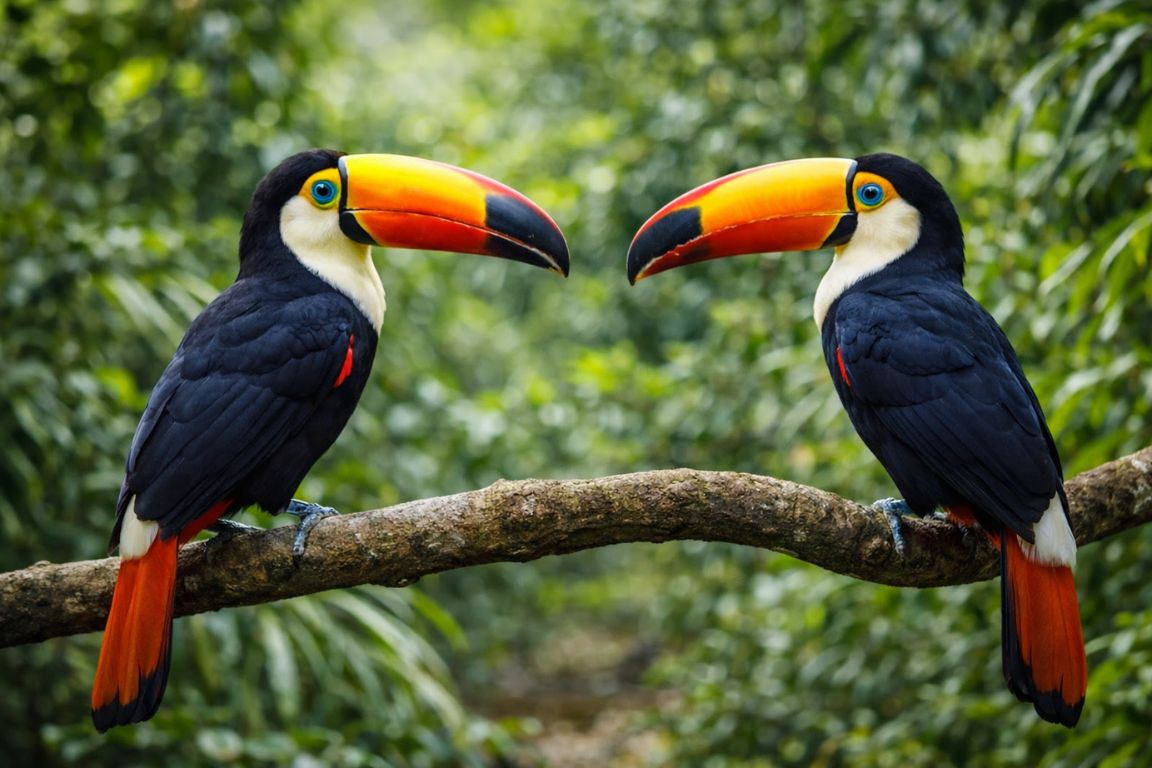
The headline species are easier than most visitors expect. Parrots, macaws and toucans are among the sightings the region delivers on most days, usually at canopy edges and over open water. What separates a casual day from a real birding day is everything smaller than that, and none of it happens without a guide.
The Amazon basin holds one of the richest bird faunas on earth, and the private birding day we list puts the figure for its own corner of the region at over a thousand species. No single day gets you anywhere near that. Our own guide to what animals you'll see is blunt about the realistic numbers: an Amazon trip typically produces a bird list above a hundred species, alongside monkeys and river dolphins, and the charismatic rarities stay rare.
| Bird | How often you see it | Notes |
|---|---|---|
| Parrots and macaws | Most days | Loud, high and usually in pairs; often the first thing you notice |
| Toucans | Most days | Canopy edges, best in the first hours of light |
| Hummingbirds | Common | Named in the private birding tour's own species brief |
| Tanagers | Common with a guide | Small, fast and easy to walk straight past |
| Antbirds | Common with a guide | Understorey birds, usually heard before they are seen |
| Harpy eagle | Under 2 percent of trips | Specialist guides and real luck, as our wildlife guide puts it |
The honest framing is this. You are not going to tick a target list the way you might on a Pantanal trip, where the sightlines are open. You are going to build a long, varied list of things you had never heard of, and be told what most of them were by someone who identified them on call alone.
Where do you actually go birding around Manaus?
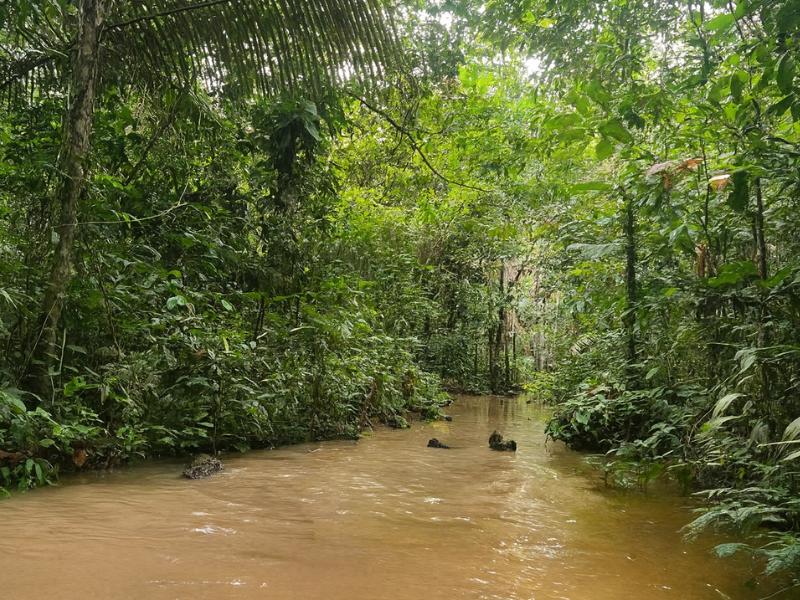
On water and at edges, not deep inside the forest. The productive places near Manaus are the island channels of the Anavilhanas Archipelago, the narrow creeks a kayak can reach, and any open riverbank at first light. Dense canopy hides birds. Gaps in it do not.

One caveat we would rather state plainly than bury. The dedicated bird-first day on this site, the full-day birdwatching tour with a private guide, runs from Leticia in the tri-border area where Brazil, Colombia and Peru meet, and its trails are on the Colombian side of the forest. It is comfortably the strongest birding product we list: ten hours, an expert birder guide, your party only, breakfast and lunch included, roughly three to four hours of walking. If your trip is Manaus-based, treat it as the benchmark for what a bird-first day looks like, and always check the departure city on any listing before you book.
| Option from Manaus | Birding value | Why |
|---|---|---|
| Multi-day lodge stay | Best from Manaus | Sunrise canoe cruises on several consecutive mornings, not just one |
| Jungle trek to the Anavilhanas Archipelago | Good | A maze of Rio Negro islands and channels, plus a two-hour forest walk |
| Kayak expedition into Igarapé-Açu | Good and very quiet | No engine noise, so birds stay where they are |
| Full-day jungle tour | Incidental | Birds appear, but the day is built around dolphins, piranhas and a hike |
| Evening tour with piranha fishing and an alligator watch | Not a birding trip | It runs into the dark, which is rather the point of it |
When should you go, and does the time of day really matter?
More than anything else on this page. Bird activity is concentrated into the first couple of hours after dawn and the last couple before dark, and a tour that collects you at eight in the morning has already missed the best of it. Season matters too, with the drier months making trails easier and activity more predictable.

The dawn point is not a birding cliché, it is the practical reason lodge stays outperform day trips. A sunrise canoe cruise from a floating lodge puts you on the water while the forest is waking up, several mornings running. A day tour out of Manaus has to spend that window driving and boating. If birds are the priority and you only have day trips available, push for the earliest departure the operator offers.
On season, the birding tour's own guidance points at the drier stretch from May to October, when trails are easier underfoot and bird activity peaks. That lines up with the broader dry-season advice across this site, and it is the same window when wildlife concentrates around shrinking water. The wetter months are not a write-off, and flooded forest opens up channels a canoe can push into, but you will be wetter and the walking is harder.
Two smaller things that make a real difference. Bring your own binoculars, because they are not supplied on the birding day and phone cameras are useless at canopy height. And keep the group quiet: our wildlife guide notes that patient, silent groups see two to three times more than loud ones, and that gap is wider for birds than for anything else.
Is a dedicated birding tour worth it over a general jungle day?
If birds are the reason you came, yes, and the difference is the guide rather than the destination. A general jungle day has a guide managing a dolphin swim, a lunch stop and a fishing session. A birding day has one whose entire job is identifying what just called from the understorey.
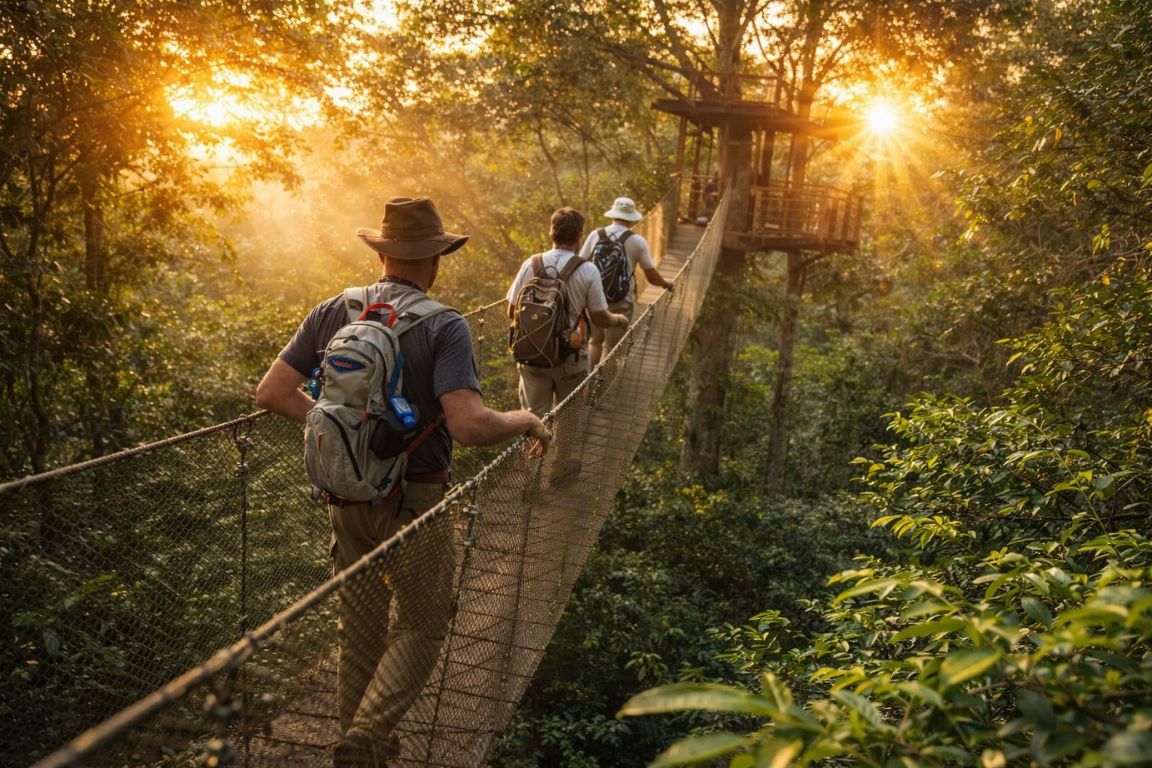
The dedicated day also changes the pace. Ten hours with a private guide and your party only means you can stand still for twenty minutes waiting on a bird, which is not something a group of twelve on a fixed itinerary will ever let you do. Past guests rate the experience highly, and the tour costs $131 for ten hours, which is modest for a private guide.
Where a general jungle day wins is breadth. If you want birds plus pink dolphins plus a jungle hike plus a caiman after dark, the twelve-hour tours out of Manaus give you all of it in one go, and you will still come home with toucans and macaws on your list. Most people booking through Brazilian Amazon Tours end up doing exactly that, then wishing they had added one early morning built entirely around birds. If you have the day to spare, add it.