Is the Amazon River Safe to Swim In?
Swimming in the Amazon sounds like a dare and is, on a guided trip, one of the calmest hours of the day. The fish everyone worries about are not the problem, the dolphins are the point, and the thing that actually matters is who chooses the water you get into.
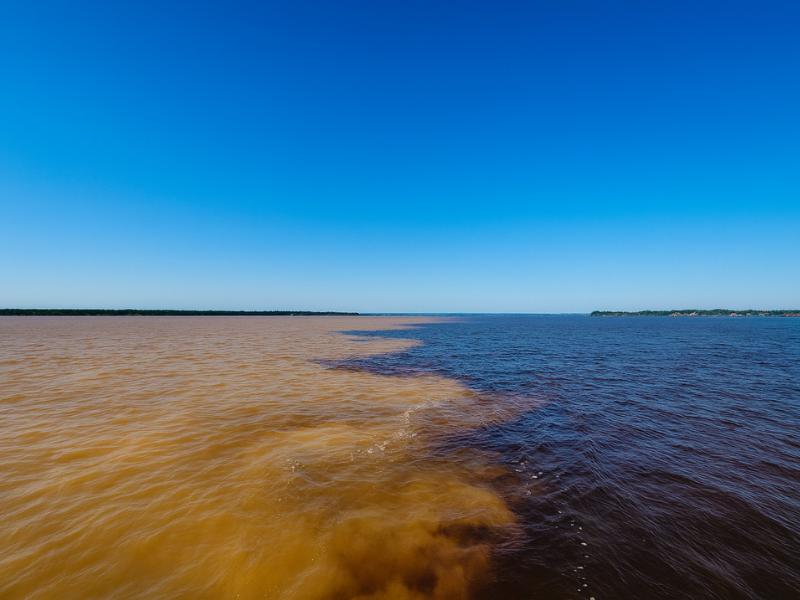
Choose a listed river outing; swimming remains optional and conditions matter. Explore Meeting Of The Waters And Pink Dolphins ↗
The question comes up on almost every booking enquiry, usually phrased carefully, and always with the same fish behind it. It is a fair thing to ask about opaque warm water in a forest famous for its teeth. The answer is less dramatic than the reputation and more conditional than a simple yes: it depends far less on the river than on who picked the spot.
Is it safe to swim in the Amazon River?
On a guided tour, swimming in the Amazon is a normal, low-drama activity, and it happens at sites the guides choose. Full-day and multi-day trips from Manaus build in a swim with pink river dolphins at a protected platform, and guests get in the water there routinely. Swimming alone, unguided, after dark, or in an unfamiliar stretch of main-river current is a completely different proposition and is not something to improvise. The piranhas are not the reason to be careful; the current, the darkness and the not knowing are.
Trip choice: Combine the two-coloured rivers, a hosted community visit, dolphin interaction and lunch in a shorter river day. Explore This 6 hours Experience ↗
Are piranhas a real danger to swimmers?
Rarely. Fatal piranha attacks on healthy humans are extremely rare. Most documented incidents involve a single defensive bite, often from stressed fish in low water or during breeding season, rather than a shoal hunting a living swimmer. Scavenging on an already-deceased body is far better documented than predatory attack.
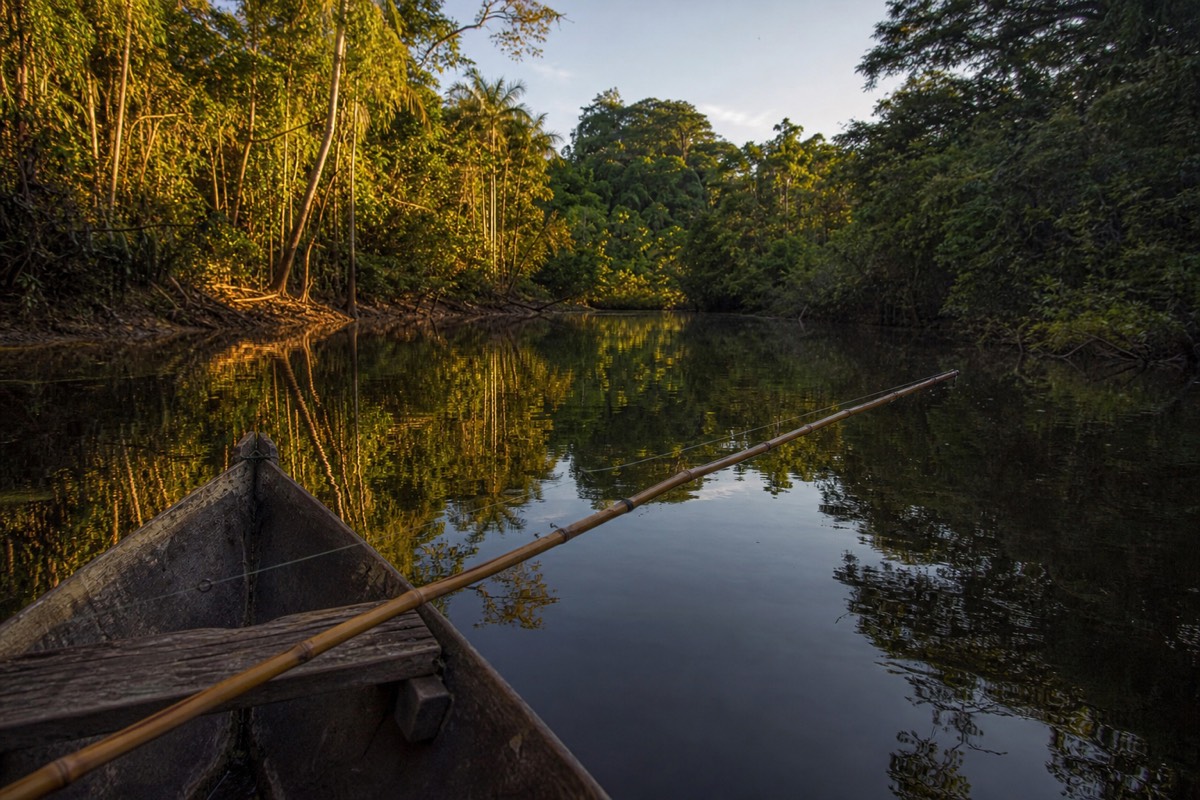
Reporting on National Geographic's piranha research, summarized by Smithsonian Magazine, describes an opportunistic and defensive fish rather than the coordinated killer of the cow-skeleton legend. That matches what happens on the water here every evening: guests bait bamboo rods, catch a few piranhas, look at them, and release them, while the guide handles the hooks because the teeth are genuinely sharp in the boat.
The same trips that fish for piranhas in the afternoon put people in the water at a different site earlier in the day. That is not a contradiction. Guides know which channels hold what, at what water level, and they pick accordingly, which is exactly the expertise you are paying for. If you want the wider picture on Amazon wildlife risk, our guide on whether the Amazon rainforest is dangerous covers the rest of the cast.
| The reputation | What the record actually shows |
|---|---|
| Shoals strip a swimmer in minutes | Fatal attacks on healthy humans are extremely rare; the mass-feeding image comes from stunts and storytelling |
| Any piranha in the water means danger | Most incidents are one defensive bite, often linked to low water or breeding season stress |
| Piranhas hunt people | Scavenging on an already-deceased body is far better documented than an attack on a living person |
| Fishing for them is reckless | It is a standard activity on evening and full-day tours; guides bait and unhook, guests catch and release |
What about the pink river dolphins?
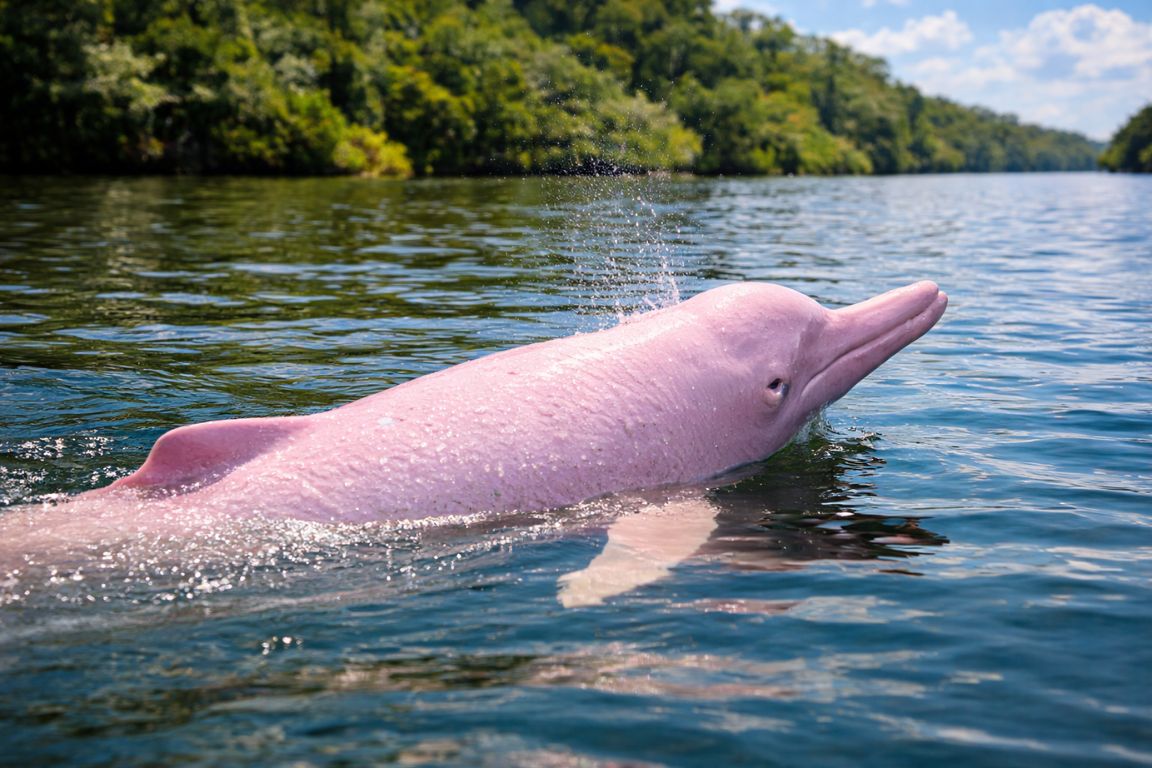
Pink river dolphins are the reason people get in the water in the first place, not a reason to stay out of it. They are curious, they approach boats and swimmers, and the encounter is a designed part of several trips from Manaus, held at protected research and conservation platforms rather than out in open current.
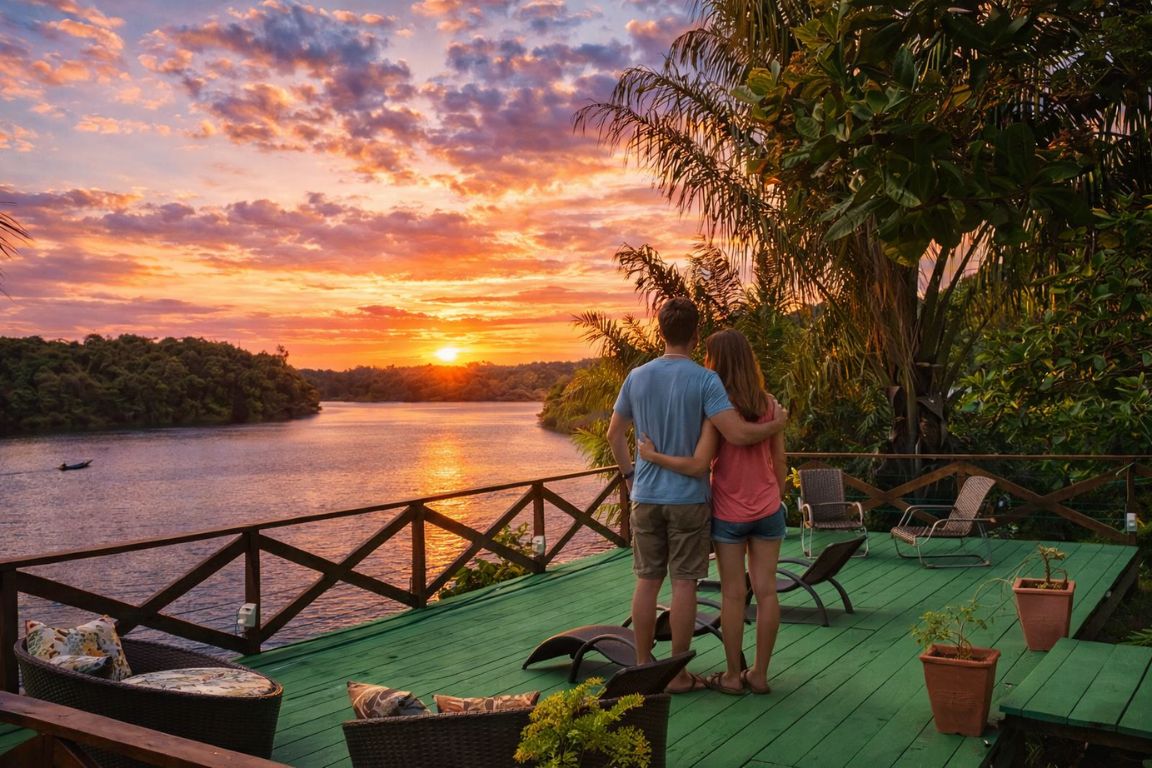
Guests describe swimming with them as the highlight of the trip. The operator’s wildlife-interaction practices need checking before booking: interaction is optional on several trips, and whether it happens depends on whether the animals show up and feel like company that day. Operators are upfront that nature decides, which is the honest framing for any wildlife encounter.
Practically, expect warm water that is murky in places, a platform or floating structure to get in and out from, and roughly an hour on the schedule. Bring a swimsuit, a towel and a waterproof bag for your phone, because you will want the photographs and the canoe deck is not a dry place.
| Trip | Length | How the swim fits in | Price from |
|---|---|---|---|
| Meeting of the Waters tour with pink dolphins and lunch | About 6 hours | Confluence first, then a swim with the dolphins in their natural habitat, plus a village visit and lunch | $75 |
| A Whole Day in the Brazilian Amazon Jungle | 12 hours | Around an hour at a dolphin research and protection platform, between the morning trek and lunch | $100 |
| 3-day wildlife, culture and pink dolphins adventure | 3 days | Dolphin interaction from the lodge on the Lake Acajatuba area, alongside canoeing and night spotting | $500 |
Where do guided tours actually let you swim?
At chosen sites: protected dolphin platforms, calm side channels and lake areas, and the water around floating lodges. Not in the middle of a main-river channel, not at night, and not while the group is somewhere else.

The distinction that matters is between the main river and the quieter water off it. Main channels carry serious current and heavy river traffic, and neither is a swimming environment. The tributaries, lakes and canals the trips actually use are calmer, shallower and known to the guide, which is why the swim slot on a full-day itinerary sits at a specific point in the schedule rather than wherever someone fancies a dip.
A few rules travel well. Get in where the guide says, stay within sight of the boat, do not swim alone or after dark, and if you have open cuts or you are not a confident swimmer, say so before the boat stops rather than after. None of that is Amazon-specific. It is what you would do on any river anywhere, applied somewhere the water happens to be opaque.
What else should you know before you get in?
Practical preparation beats worry. Bring a swimsuit and towel, use insect repellent before and after rather than during, keep electronics in a waterproof bag, and treat the swim as one part of a long day rather than the whole point of it.
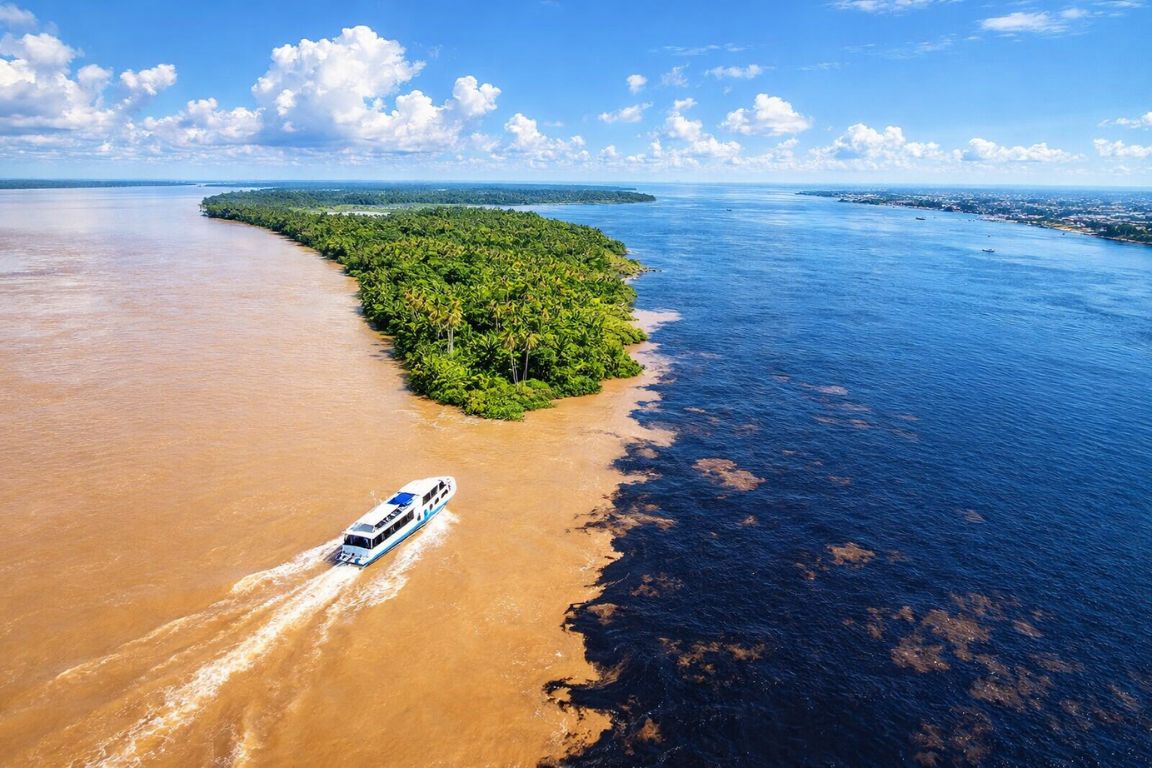
Water clarity is the thing most people are not prepared for. Warm, murky and organic-brown is normal here and does not mean anything is wrong; the Rio Negro's dark color comes from dissolved organic matter out of the forest, not from pollution. What we will not do is publish water-quality claims we cannot source, so if you have specific health concerns, raise them with a travel health provider before you fly and with your guide on the day.
Beyond that, the swim is one of the easiest parts of an Amazon trip. Our packing list covers what to bring, and the dolphins handle the rest.