Is the Amazon Suitable for Kids? A Family Travel Guide
Parents ask this before anything else, and the answer on most travel sites is a shrug dressed up as encouragement. The tours on this site carry their own guidance on it, written from what families actually reported afterwards, so this post starts there rather than with a guess.
Start with day length, then check age and physical needs. Explore Meeting Of The Waters And Pink Dolphins ↗
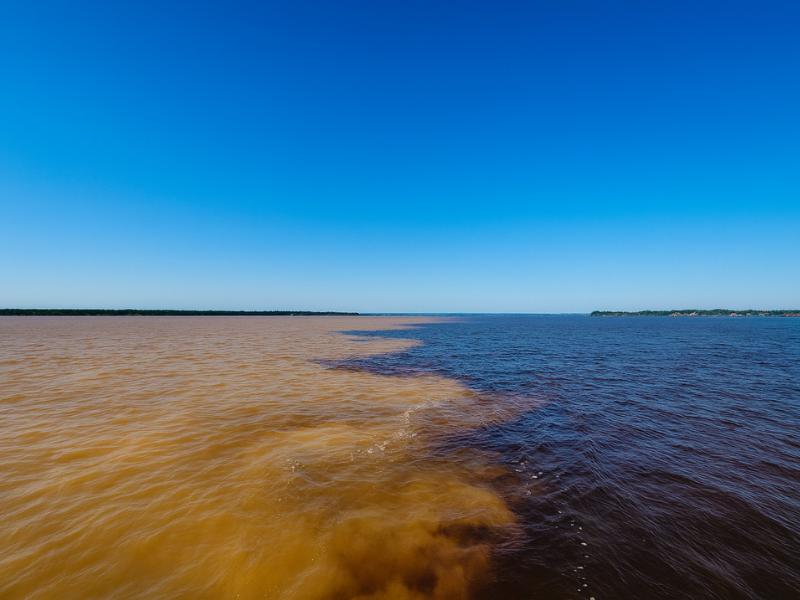
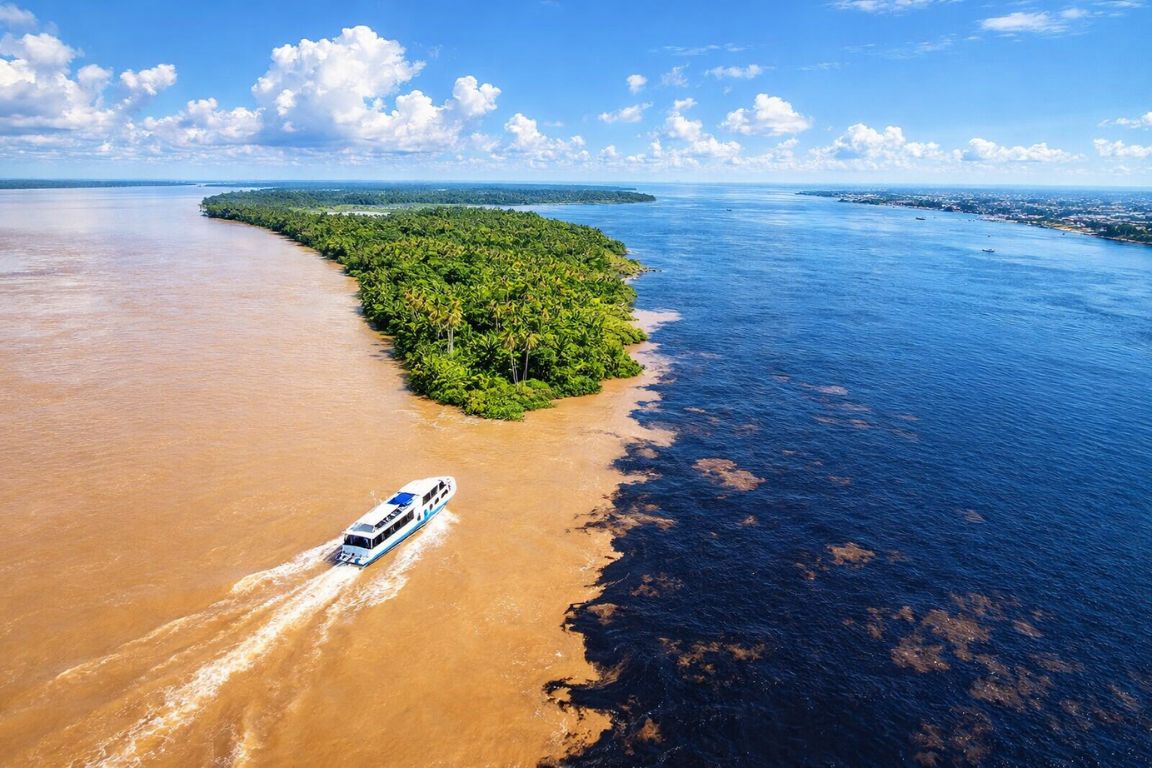
Trip choice: Combine the two-coloured rivers, a hosted community visit, dolphin interaction and lunch in a shorter river day. Explore This 6 hours Experience ↗
The Amazon is not a difficult place to bring a child. It is a demanding one, which is different. Heat, humidity, insects, long days and boats are all manageable with the right trip and honest expectations, and all of them go badly with the wrong trip.
What age does the Amazon actually work from?
The guidance on the tours listed here is consistent: generally suitable from around age 5, for children who can handle long days and jungle conditions, with close supervision throughout. Families reported that older children in particular loved the canoe and the pink dolphins. That is the operators' own language, and it is a fair summary of what these trips ask.
Read the two halves of that sentence separately, because the age number is the less important one. Age 5 is the floor, not the qualification. What actually decides whether a child copes is the second half: a long day in heat and humidity, in and out of boats, with insects and a schedule that does not bend. Some six-year-olds handle that better than some ten-year-olds, and you already know which yours is.
The boat-based tours phrase it slightly differently again, saying they suit children who handle long days and boat motion. If your child is prone to motion sickness, that is the sentence to weigh, because a river day offers no way to step off partway through.
Which tour should a family actually pick?
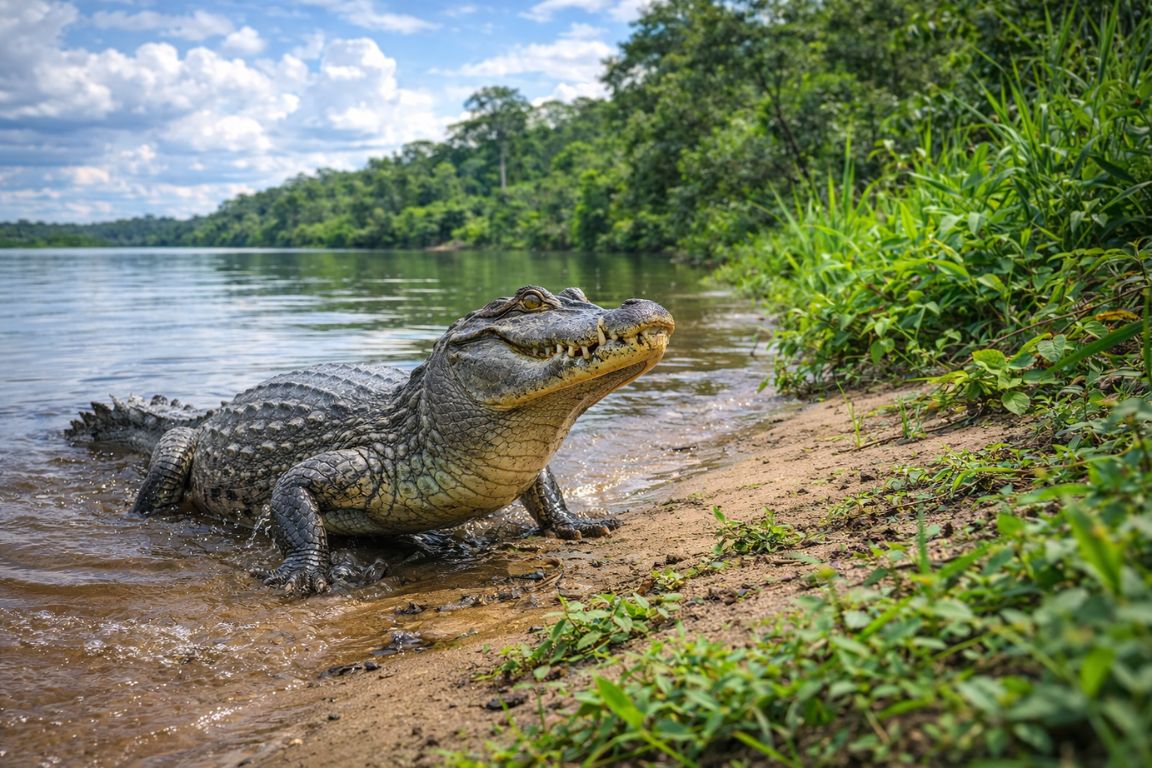
Length is the lever that matters most. A 6-hour river day gets you the Meeting of the Waters, a pink dolphin swim and lunch, and has you back at the hotel by mid-afternoon. A 12-hour jungle day adds a trek, piranha fishing and caimans after dark, and it is a genuinely long day for a small person.
| Meeting of the Waters and Pink Dolphins with Lunch | A Whole Day in the Brazilian Amazon Jungle | |
|---|---|---|
| Length | About 6 hours | About 12 hours |
| Pickup and return | Around 8.30am, back around 2.30pm to 3pm | Around 8am, back around 8.30pm |
| Price per person | $75 | $100 |
| Group size | Up to 20 | Up to 12 |
| Main draws for children | Pink dolphin swim, two-coloured rivers, wildlife spotting from the boat | Jungle trek, dolphin swim, piranha fishing, caimans by torchlight |
| Walking involved | Minimal, mostly boat-based | Two to three hours on uneven trails |
| After dark | No | Yes, night spotting is part of it |
| Best for | Younger children, first Amazon day, motion-tolerant kids | Older children with stamina who want the full jungle day |
Our own read, for what it is worth: the shorter river day is the safer first move with children under about eight, and the full jungle day is the better trip for a child who is already the sort to turn over logs at home. If the visit stretches to two days, an overnight rainforest experience at a floating house adds the sunrise, which is the single best hour in the forest and the one children remember.
What do kids love, and what falls flat?
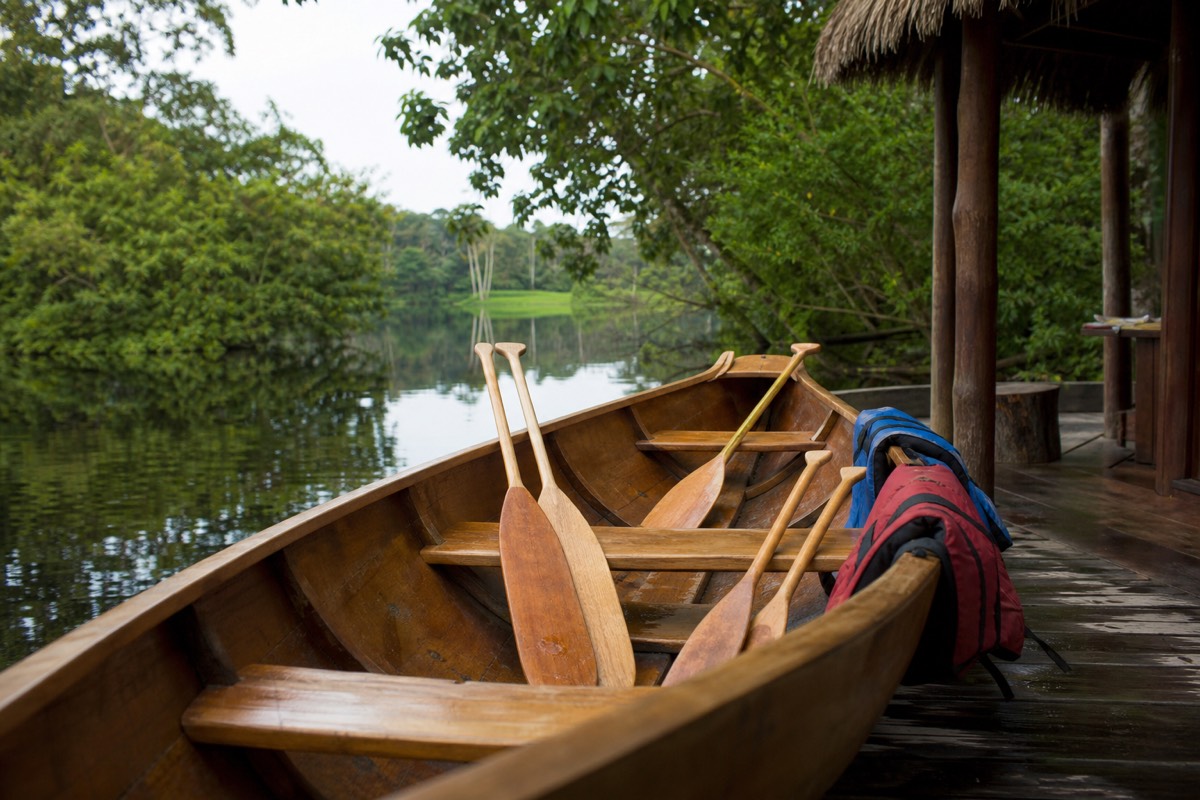
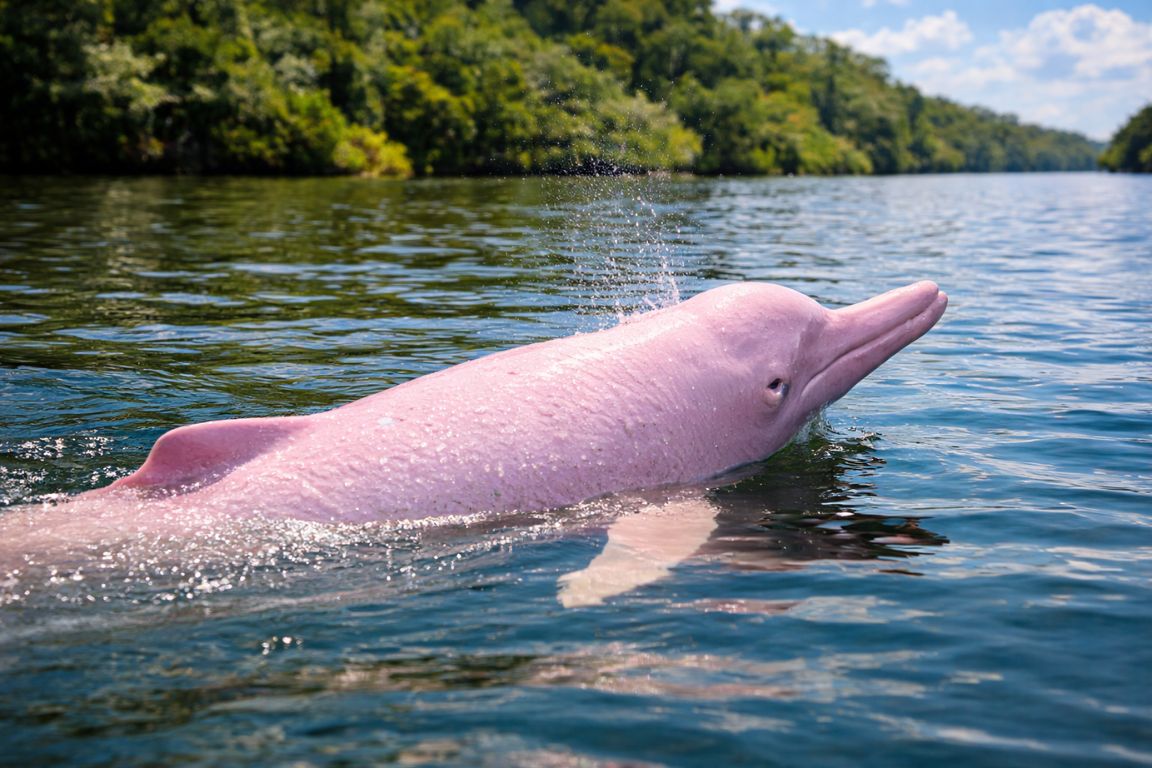
Three things reliably land: the pink river dolphins, the canoe, and piranha fishing, where guides bait the hooks and the catch goes back in the water. The parts that test patience are the long transfers, the heat in the middle of the day, and the simple, repetitive food.
The dolphin encounter is the headline for a reason. Families quoted on these listings single out the canoe and the dolphins specifically, and the fishing works because it is short, active and has an outcome. Night spotting divides opinion: guests describe it as thrilling but safe, with guides using spotlights to pick out caimans, and some children find it the highlight while others find the dark on the water a lot. You will know which camp yours falls into.
The flat spots are predictable and fixable. There is roughly an hour of road each way on the jungle-day tours before you even reach the water, so bring something for that. Lunch is a simple regional meal of fish or chicken with rice, beans, manioc and vegetables, which is excellent and not what a fussy eater is hoping for. Vegetarian options are limited and the listings ask for advance notice, so flag it when you book.
What families need to plan for
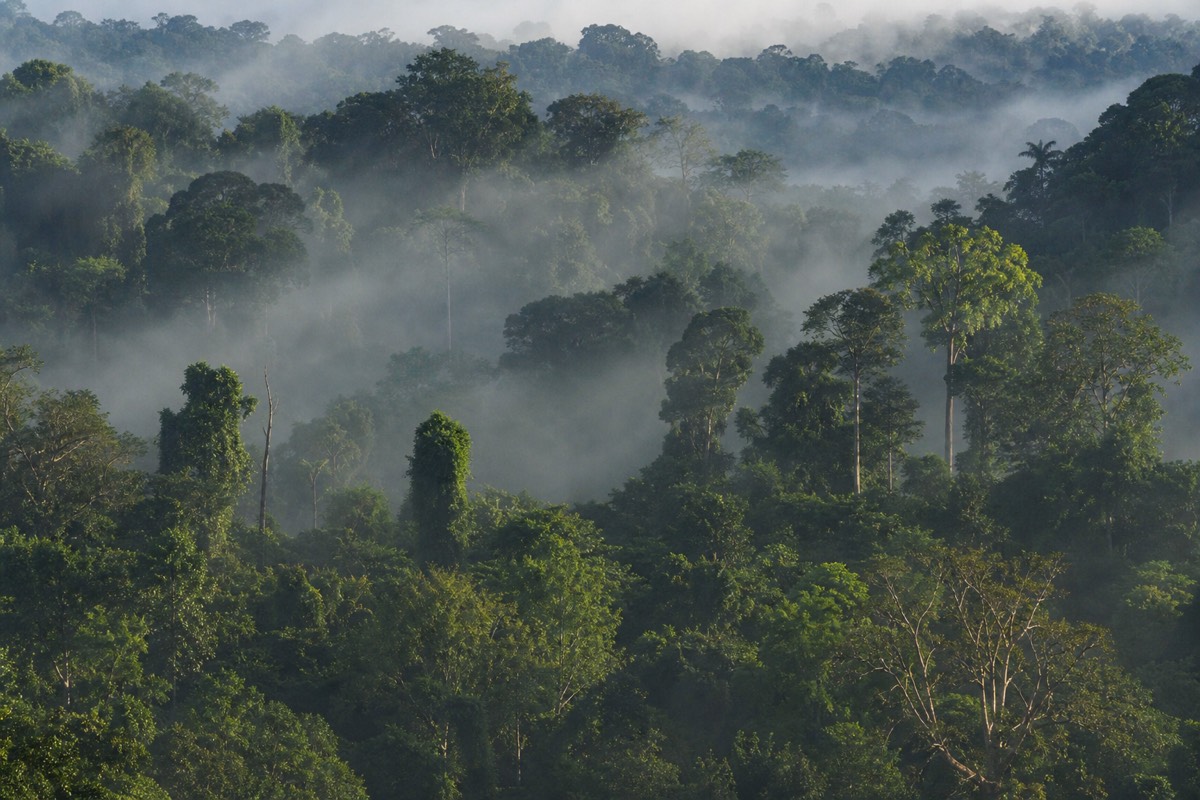
Four things do most of the damage when they are not planned for: insects, sun and heat, the length of the day, and supervision around water. None is exotic. All of them are worse in the Amazon than wherever you are reading this.
| What to plan for | What the tours here say, and what it means |
|---|---|
| Insects | Repellent is listed as a personal item you bring, and guests describe bugs as intense. Long trousers, closed shoes and a light long-sleeved layer do a lot of the work |
| Sun and heat | Sunscreen, hat and sunglasses appear on every packing line. Most of the day is outdoors and shade on open water is limited |
| Day length | A full jungle day runs about 12 hours door to door. The river day is about 6, which is the difference between a tired child and a meltdown |
| Water | Swimming with dolphins and canoe rides mean close supervision. The listings say so directly, and the water is warm but murky in places |
| Terrain | Trails are uneven and muddy in the wet season, and these tours are not wheelchair accessible |
| Health | Health planning for a child belongs with your own clinician, and it is worth doing before you book rather than after |
| Group size | The jungle day caps at 12 and the river day at 20, so the smaller trip means more guide attention for a child asking questions |
A packing list for the rainforest is worth building properly before you go, because nothing on it is buyable at a floating house an hour outside Manaus. The other pre-trip job is the health one, and it is a conversation for your child's own clinician rather than a website; our guide to vaccines for the Amazon sets out what the official recommendation lists actually say so you arrive at that appointment with the right questions.
So, is it worth taking children?
Yes, with the trip matched to the child. A river day with dolphins, two colliding rivers and wildlife from the boat is a genuinely great day out for a five- or six-year-old who copes with heat and boat motion. A full jungle day with a trek, fishing and caimans after dark is a better trip for a nine- or ten-year-old who wants the real thing and will still be upright at 8pm.
What we would not do is push a family towards the longest, most remote option because it sounds more impressive. Multi-day camping in hammocks is a wonderful trip and a poor first Amazon experience for most children. Start shorter than you think you need to, and if it goes well you will have the rest of the trip to add to it. Brazilian Amazon Tours lists both lengths with hotel transfers, meals and a bilingual guide included, and the operators' own listings carry live prices and dates.