Do You Need Vaccines for the Amazon? A Health and Vaccination Guide
Health planning is the part of an Amazon trip people leave latest and worry about most, usually in the wrong order. This guide sets out what the official recommendation lists actually say, where the one firm deadline sits, and which questions only a travel health provider who knows your itinerary and your medical history can answer. It is travel information, not medical advice, and it is written to send you to a real clinician rather than to replace one.
Separate trip logistics from individual medical advice. Explore A Whole Day In The Jungle ↗
Two things are worth separating before anything else, because conflating them causes most of the confusion. The first is what a country requires to let you in. The second is what health authorities recommend for your own protection. Those are different lists with different consequences, and for Brazil they do not match.
A note on what this page is. Every specific figure below comes from published guidance, and every section points back to the same place: a travel health provider who can see your itinerary, your age, your medications and your history. That is not a disclaimer bolted on the end. It is the actual answer to most of these questions, because vaccine eligibility and malaria prophylaxis are individual decisions, not blanket rules a travel page can hand out.
The short answer
No vaccine is mandatory to enter Brazil, including for the Amazon. Yellow fever vaccination is recommended by the CDC for eligible travellers aged 9 months and older visiting Brazil, and it needs at least 10 days before travel to take effect. Malaria risk exists in parts of the region, and whether you take prophylaxis is a decision to make with a travel health provider.
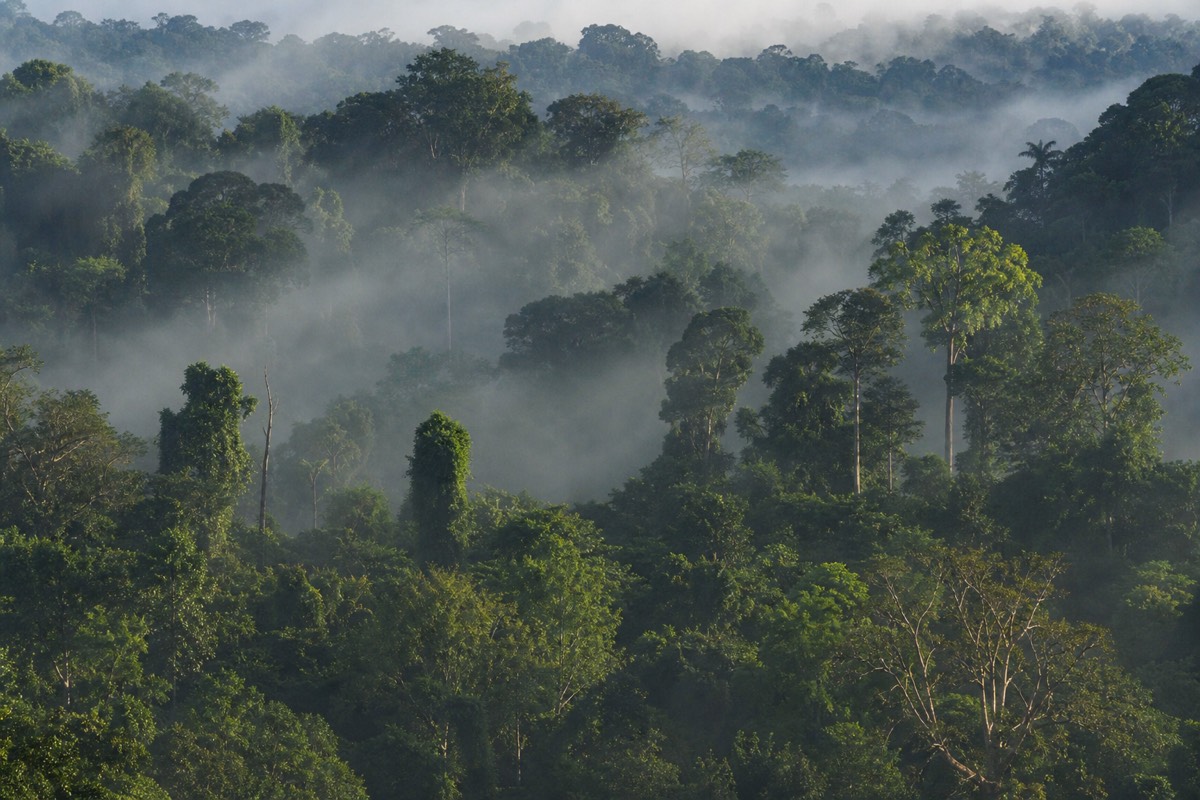
Trip choice: A forest hike, dolphin platform, piranha fishing and a sunset-to-night boat outing in one Manaus day. Explore This 12 hours Experience ↗
Is yellow fever vaccination required to enter Brazil?
No. Yellow fever vaccination is not a mandatory entry requirement for Brazil. It is, separately, recommended: the CDC recommends it for all eligible travellers aged 9 months and older going to Brazil, and that recommendation covers the Amazon region. Nobody will stop you at the border for lacking it. That is not the same as it being optional in a health sense.
This distinction gets flattened constantly, including on travel pages that state flatly that the vaccine is "required". It is not, and it is worth being precise, because the two framings lead to different behaviour. Treating it as a border formality means people chase it in the last week before departure and treat the certificate as paperwork. Treating it as a health recommendation means asking a clinician whether it is right for you, which is the question that actually matters.
The reason the recommendation exists is geography rather than bureaucracy. Yellow fever circulates in parts of South America, and the recommendation for travel to Brazil sits in the CDC Yellow Book's Brazil chapter alongside its country guidance. The World Health Organization publishes its own international travel and health guidance covering the same ground. Your provider will read those against your specific plan.
One practical consequence worth knowing: even where a vaccine is not required for entry to Brazil, some countries ask for proof of yellow fever vaccination from travellers arriving from a country with risk. If your Amazon leg sits inside a longer multi-country trip, that is a question to raise at your appointment, not one to resolve from a blog.
This is an individual medical decision. A tour booking cannot establish health suitability; bring the actual route and sleeping arrangements to your clinician.
Which vaccines are on the recommendation lists?
Two lists matter for a Brazilian Amazon trip. The CDC's guidance for Brazil covers yellow fever for eligible travellers aged 9 months and older. Brazil's Ministry of Health separately recommends that international visitors be current on COVID-19, yellow fever, polio, measles, rubella, diphtheria and tetanus.
Notice the wording on the second list: current, not vaccinated on arrival. Several of those are things a lot of travellers already have from childhood or routine adult boosters, so for many people the appointment is a records check rather than a course of new injections. Bring whatever vaccination record you have, in whatever form, because the single most useful thing you can give a travel clinician is an accurate history.
| Vaccine | Where the recommendation comes from | The timing note that matters |
|---|---|---|
| Yellow fever | CDC guidance for Brazil, for eligible travellers aged 9 months and older, and Brazil's Ministry of Health list | At least 10 days before travel to be effective |
| COVID-19 | Brazil's Ministry of Health list for international visitors | Being up to date is the standard the list uses |
| Polio | Brazil's Ministry of Health list for international visitors | Your provider checks your record against the schedule |
| Measles | Brazil's Ministry of Health list for international visitors | Your provider checks your record against the schedule |
| Rubella | Brazil's Ministry of Health list for international visitors | Your provider checks your record against the schedule |
| Diphtheria | Brazil's Ministry of Health list for international visitors | Your provider checks your record against the schedule |
| Tetanus | Brazil's Ministry of Health list for international visitors | Your provider checks your record against the schedule |
What is deliberately not in that table is a recommendation from us about which of them you personally should have. That call depends on your age, your existing immunity, your medical history and where exactly you are going, and it belongs to a clinician who can ask you those questions.
This is an individual medical decision. A tour booking cannot establish health suitability; bring the actual route and sleeping arrangements to your clinician.
How soon before travel do you need the yellow fever vaccine?
At least 10 days. That is the one hard number in this entire guide: the vaccine should be given a minimum of 10 days before travel to be effective. Everything else about health planning flexes. This does not.
Work backwards from that and the scheduling becomes simple. If your departure is more than a month away, you have room for a single appointment that handles the whole list without pressure. If it is inside a month, the 10-day window is still reachable but the calendar is doing the deciding. If departure is under 10 days out, the vaccine will not reach full effect before you fly, which is a reason to speak to a provider sooner rather than a reason to give up on the appointment: there is more to a travel health consultation than one injection.
| Days until you fly | Where yellow fever timing sits | Sensible next step |
|---|---|---|
| 30 or more | Comfortable margin on the 10-day window | Book one appointment and cover the whole list in it |
| 10 to 29 | Still inside the window, with little slack | Get an appointment this week rather than next |
| Under 10 | Outside the window for full effect | Still speak to a provider about the rest of your health plan |
A second reason to go early: appointment availability is not uniform. Yellow fever is given at designated providers in many countries rather than at any pharmacy, so the constraint is often the diary rather than the vaccine.
This is an individual medical decision. A tour booking cannot establish health suitability; bring the actual route and sleeping arrangements to your clinician.
Is malaria a real risk in the Amazon?
Yes, malaria risk exists in parts of the Amazon region. It is not uniform across the whole area, and whether you take prophylaxis is a personal decision to make with a travel health provider based on your itinerary, your season and your medical history. It is not something a travel guide can prescribe for you, and any page that does is overreaching.
The honest framing is that this is the risk category that actually deserves your attention. Mosquito-borne illness, malaria and dengue among them, is the more statistically relevant day-to-day concern on an Amazon trip than any encounter with a large animal, which is the reverse of how most people rank their worries before they go. If you want the animal side of that question, our guide to the real risks in the Amazon goes through it properly.
Prophylaxis is a genuine decision with trade-offs on both sides, which is exactly why it sits with a clinician. What you can do before the appointment is arrive with the information that shapes the answer.
| What your provider will want to know | Why it changes the answer |
|---|---|
| Exactly where you are going, not just "the Amazon" | Risk exists in parts of the region rather than uniformly across it |
| How long you will be there | Length of exposure is part of the calculation |
| Which season you are travelling in | Season is an explicit factor in the guidance |
| Whether you stay in Manaus or overnight deep in the forest | A day trip back to the city and a five-day lodge stay are different itineraries |
| Your medical history, current medicines, pregnancy, age | These determine what is suitable for you specifically |
| How you will sleep: net, screened room, air conditioning | Bite avoidance sits alongside any medication, never instead of it |
This is an individual medical decision. A tour booking cannot establish health suitability; bring the actual route and sleeping arrangements to your clinician.
How do you actually avoid mosquito bites in the jungle?
Bite avoidance is the layer everyone underrates and it costs nothing but attention: repellent applied properly and often, long sleeves and long trousers in the evening, closed shoes on the trail, and sleeping under a net or in a screened, air-conditioned room. It sits alongside whatever your provider advises, never instead of it.
The tour listings on this site are blunt about the insect situation, which is more useful than a general warning. Repellent appears on every packing line as a personal item you bring rather than something provided, and past guests are quoted saying bugs are intense and that repellent is not optional. One guest note mentions packing a light long-sleeved shirt for sun and insects together, which is the practical version of the advice.
| Layer | What the tours listed here actually say |
|---|---|
| Repellent | Listed under personal items you bring, not included in any tour; guests describe bugs as intense |
| Clothing | Long trousers and closed-toe shoes on the packing lines, plus a light long-sleeve layer for sun and insects |
| Where you sleep | Multi-day lodge stays list private rooms with air conditioning and mosquito nets |
| Camping | The survival and camping options list hammocks with mosquito nets in remote spots |
| Time of day | Evening and night activities such as guided caiman spotting put you outdoors at the hours insects are worst |
The packing list for the rainforest on this site covers the clothing side in more detail. The short version is that cotton stays wet in Amazon humidity and light, quick-drying long layers do double duty against sun and insects.
What about dengue and other mosquito-borne illness?
Dengue is mosquito-borne and, along with malaria, sits in the category of day-to-day risk that matters more on an Amazon trip than the wildlife most people worry about. The prevention that helps is the same prevention: avoid bites, consistently, across the whole day rather than just at night.
That last point is the one people miss. Different mosquitoes bite at different hours, so a repellent routine that only comes out at dusk leaves a gap. On a 12-hour tour day that runs from an 8am hotel pickup to a drop-off after dark, the practical approach is to apply in the morning, reapply after the dolphin swim and again before the sunset run, and keep the long layer within reach for the evening.
Anything beyond prevention, including what to watch for and what to do about it, is a conversation for a travel health provider before you go and a clinician if you feel unwell. We are not going to list symptoms and invite you to self-diagnose from a tour website.
This is an individual medical decision. A tour booking cannot establish health suitability; bring the actual route and sleeping arrangements to your clinician.
What does a travel health appointment actually cover?
More than injections. A travel health consultation is where somebody qualified reads your itinerary against your medical history and tells you what applies to you specifically, which is the step no website can perform. It is also, for most travellers, a single appointment rather than a course of them.
People delay it because they picture a queue of needles and a bill. In practice a lot of the value sits in the conversation: which of the recommended vaccines you are already covered for, whether the malaria question applies to the specific part of the Amazon on your itinerary, how your existing medicines interact with anything proposed, and what to do about the ordinary problems of heat, insects and long travel days. If nothing on the list applies to you, that is a useful answer too, and you leave knowing it rather than guessing.
Take four things with you. Your dates. Your actual itinerary, including how many nights fall outside Manaus and what sort of accommodation those nights are. Whatever vaccination record you can find. And a list of every medicine you take, prescription or otherwise. Providers work faster and better with those in front of them, and the appointment stops being a guessing game about your own history.
One more reason to go early rather than late: if anything on the list turns out to need a schedule, a second dose or a designated provider, a month of runway makes that trivial and a fortnight makes it stressful. The yellow fever window alone is a good enough reason to put the appointment in the diary the same week you book the flights.
This is an individual medical decision. A tour booking cannot establish health suitability; bring the actual route and sleeping arrangements to your clinician.
Is the food and water safe on an Amazon tour?
The tours listed on this site provide bottled water and cooked regional meals: fresh fish or chicken with rice, beans, manioc, vegetables and fruit, served at a floating house or at the lodge. Bottled water being an explicit inclusion on almost every listing is itself the answer to the question people are really asking.
Meals are simple rather than varied, and the listings say so. That has one practical consequence beyond taste: dietary flexibility is limited. Vegetarian options are described as basic, rice, beans and vegetables, and every listing that mentions them asks for advance notice. If you have a genuine allergy or a restricted diet, raise it when you book rather than on the morning, because a floating kitchen an hour from Manaus has no shop to run to.
Heat and humidity make dehydration a more likely nuisance than anything exotic. Bottled water and refreshments are included on the tours here, and on a long day the sensible habit is to drink more than you feel like drinking.
What do the tours provide, and what do you bring?
Guiding, transport, meals, bottled water and, on several multi-day listings, insurance are included. Everything health-related that touches your body is yours to bring: insect repellent, sunscreen, any prescription medicine, and your own small kit.
| Item | On the tours listed here |
|---|---|
| Bottled water and refreshments | Included on almost every listing |
| Meals | Included; simple regional cooking |
| Bilingual guide | Included on every listing |
| Mosquito nets | Provided on the multi-day lodge and camping stays |
| Insurance | Listed as included on several multi-day and private tours; check the individual listing |
| Insect repellent | Not included, listed under personal items you bring |
| Sunscreen | Not included, listed under personal items you bring |
| Towel and swimsuit | Not included, listed under personal items you bring |
| Prescription medicines | Yours, and worth carrying in hand luggage |
Where a listing says insurance is included, read what that insurance actually covers rather than assuming. Travel medical cover, and specifically whether it covers evacuation from a remote area, is a separate product and a separate conversation.
Does the shape of your trip change the health picture?
Yes, and it is one of the more useful things to bring to a travel health appointment. A day trip that returns to a Manaus hotel by evening and a five-night stay at a lodge 100 km into the forest are different exposures, and your provider will treat them differently.
| Trip shape | What changes for health planning |
|---|---|
| Half-day or evening outing from Manaus | Short exposure, back in the city the same night; sun, heat and evening insects are the practical concerns |
| Full 12-hour jungle day | A long outdoor day from an 8am pickup to a drop-off after dark, including time out after sunset |
| Overnight at a floating house | One night out of the city; repellent and sleeping arrangements start to matter more |
| Three to five days at a lodge | Several days of exposure; the listings describe A/C rooms with mosquito nets |
| Camping in hammocks on the longer trips | The most exposed option; listings describe hammocks with mosquito nets in remote spots |
Take your actual itinerary to the appointment. Dates, destinations, how many nights outside Manaus, and where you will be sleeping are worth more than a general statement that you are going to the Amazon.
What if you are pregnant, travelling with a young child, or managing a condition?
These are exactly the cases where general guidance stops being useful. The CDC's yellow fever recommendation for Brazil applies to eligible travellers aged 9 months and older, and who counts as eligible is a medical judgement made by a clinician who knows your history, not a category you can look up.
We are not going to publish a list of contraindications, because a tour website is the wrong place to make that call and a half-remembered list is worse than none. What we will say is that if you are pregnant, immunocompromised, travelling with an infant, on long-term medication, or managing any chronic condition, the travel health appointment moves from sensible to essential, and it should happen early enough that there is time to plan around whatever comes out of it.
The same applies to families. Several tours on this site describe themselves as suitable from around age 5 for children who handle long days and jungle conditions, and our post on whether the Amazon is suitable for kids goes through what that means in practice. The health side of the same question belongs to your child's clinician.
This is an individual medical decision. A tour booking cannot establish health suitability; bring the actual route and sleeping arrangements to your clinician.
What if you feel unwell after you get home?
Tell whoever you see that you were in the Amazon and when. That single detail changes what a clinician considers, and travellers routinely leave it out because the trip feels finished. Illness after travel to a malaria-risk region is a reason to seek medical attention, not to wait and see.
Keep the dates. A note on your phone with your departure and return dates, where you stayed, and anything you were prescribed before the trip takes a minute to write and can save a lot of guesswork later. If you were given prophylaxis with a course that continues after you return, the instruction to finish it is part of the treatment rather than a suggestion, and your provider will have explained why.
This is an individual medical decision. A tour booking cannot establish health suitability; bring the actual route and sleeping arrangements to your clinician.
The bottom line
No vaccine is required to enter Brazil. Yellow fever vaccination is recommended by the CDC for eligible travellers aged 9 months and older going to Brazil, including the Amazon, and it needs 10 clear days before you fly. Brazil's Ministry of Health asks visitors to be current on COVID-19, yellow fever, polio, measles, rubella, diphtheria and tetanus. Malaria risk exists in parts of the region, and prophylaxis is a decision for you and a travel health provider, made against your real itinerary.
Do one thing after reading this: book the appointment, and book it early enough that the 10-day window is not the thing making your decisions. Bring your dates, your destinations and your vaccination record. Then get on with the rest of the planning, which is the enjoyable part: our team can help with the trip itself, and an Amazon tour from Manaus is a great deal easier to organise than the health admin that precedes it.